 11
11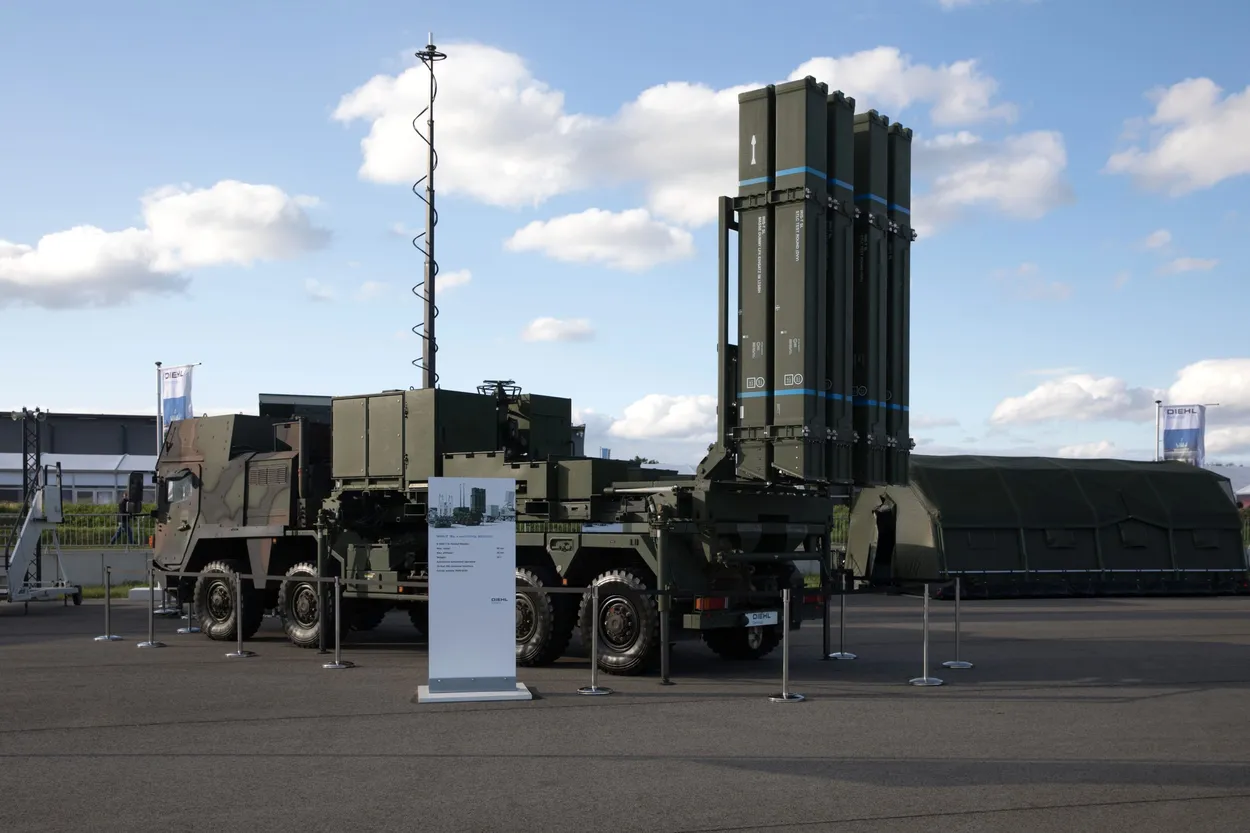
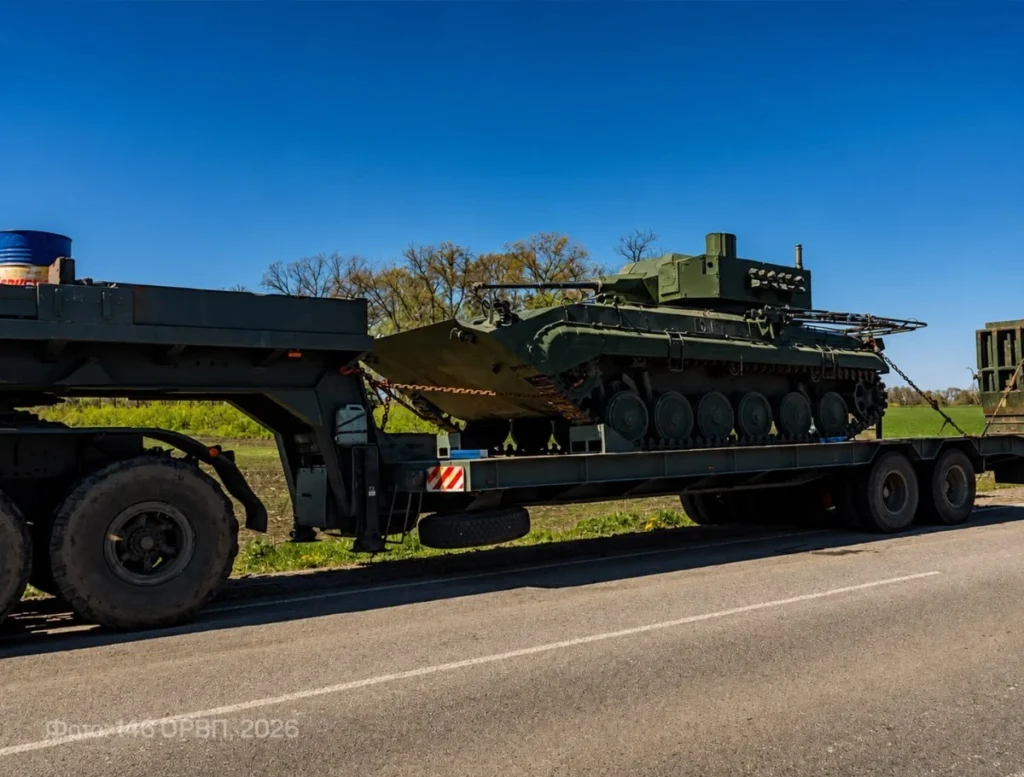
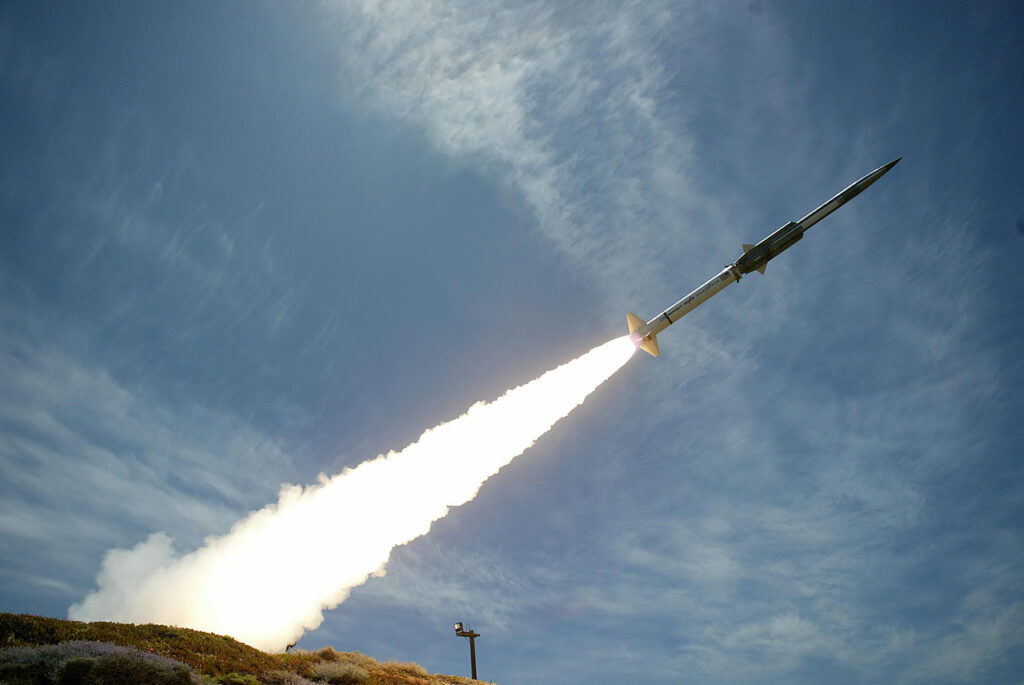
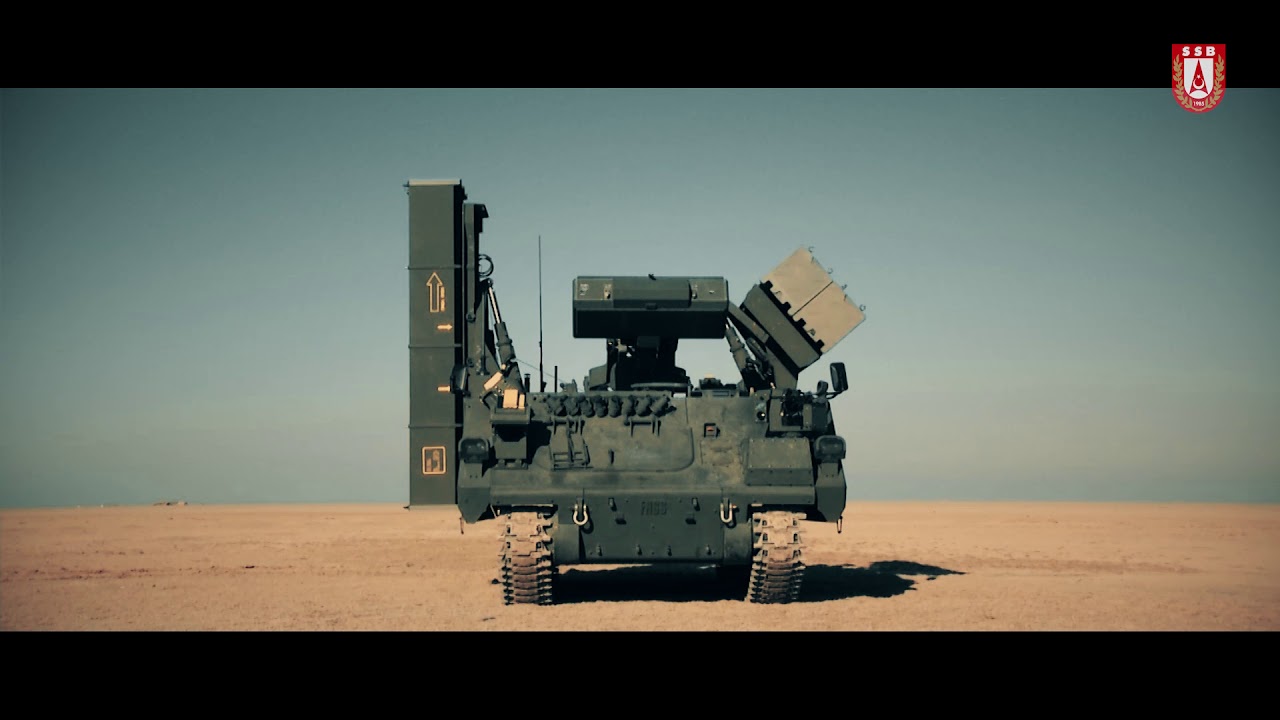
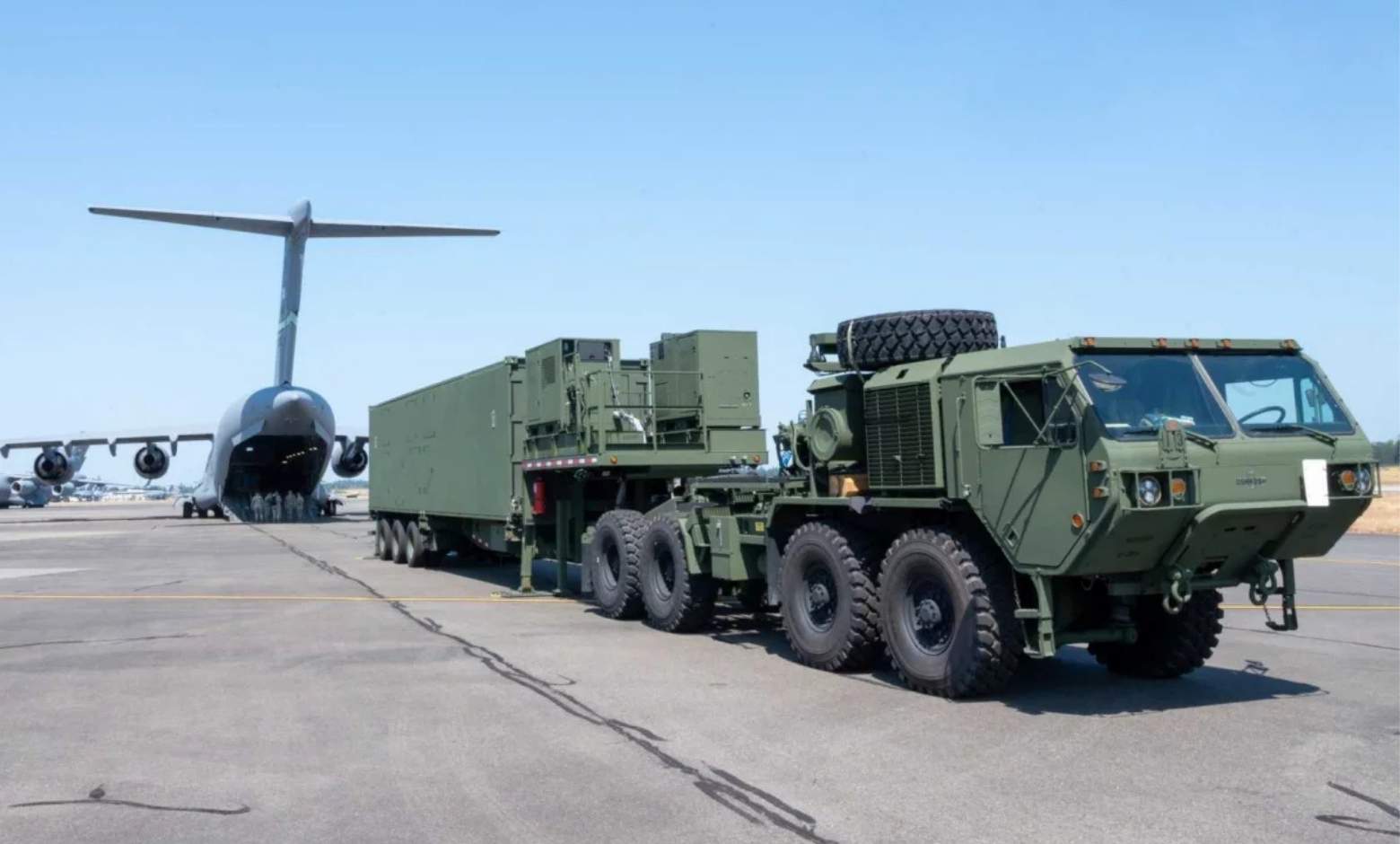
IRIS-T launcher delivery from Germany gives Ukraine another air defence asset during intense Russian aerial attacks.
Ukraine has received a new IRIS-T launch platform from Germany. President Volodymyr Zelenskyy announced the delivery through his official X account.
The launcher will join Ukraine’s existing IRIS-T air defence network. It will also operate alongside German-supplied Patriot batteries and Gepard self-propelled anti-aircraft systems.
The delivery comes during a severe period for Ukraine’s air defence forces. Russian air attacks have placed heavy pressure on interceptors, launchers and crews.
For Kyiv, the launcher adds useful firing capacity. However, Zelenskyy stressed that Ukraine still needs more interceptor missiles.
Zelenskyy said Russia launched more than 2,300 drones during the week. He also cited around 1,560 guided aerial bombs and 108 missiles of various types.
He said these attacks targeted civilian infrastructure. Residential buildings and energy facilities were among the stated targets.
This attack pattern explains Ukraine’s focus on air defence depth. Drones, guided bombs and missiles create different pressure points for defenders.
A single launcher cannot solve that problem alone. Instead, Ukraine needs a larger network with enough interceptors and trained crews.
The new IRIS-T launcher strengthens an existing layered system. Ukraine already uses Western-supplied air defence assets to protect cities and infrastructure.
According to European Pravda’s report citing Zelenskyy’s X statement, the president thanked Germany for its continued contribution to civilian protection.
Patriot batteries, Gepard systems and IRIS-T platforms serve different roles. Together, they create a more flexible shield against mixed Russian attacks.
This matters because Russia rarely uses one threat type alone. It combines drones, missiles and guided bombs to stretch Ukrainian defences.
Zelenskyy thanked Germany for strong and continued military support. He said this support has saved thousands of lives.
However, he also made the central problem clear. Ukraine needs more interceptor missiles to repel Russian attacks sustainably.
A new launcher only gives full value when missile stocks remain available. Without enough interceptors, even advanced systems face operational limits.
This is a key point for Ukraine’s partners. Sustained air defence support requires missiles, launchers, training and maintenance together.
Zelenskyy described anti-ballistic missile defence as one of Ukraine’s most essential priorities. He argued that stronger air defence can give Ukrainians greater protection.
He also said it could remove Russia’s last remaining advantage. This reflects Kyiv’s view that long-range strikes remain central to Moscow’s war effort.
Russia uses sustained aerial attacks to drain Ukrainian resources. It also aims to damage infrastructure and keep civilians under pressure.
Better air defence can reduce that pressure. At the same time, it can protect energy sites and help preserve national resilience.
Cooperation between Germany and Ukraine includes crew training. According to the source, system crews completed their training in Germany.
That detail matters because modern air defence systems require skilled operators. A launcher delivery has little effect if crews cannot employ it quickly.
Training abroad can help Ukraine absorb new equipment faster. It also supports safer use under wartime pressure.
For a system like IRIS-T, integration is not only technical. Operators must fit the launcher into a wider command and fire-control process.
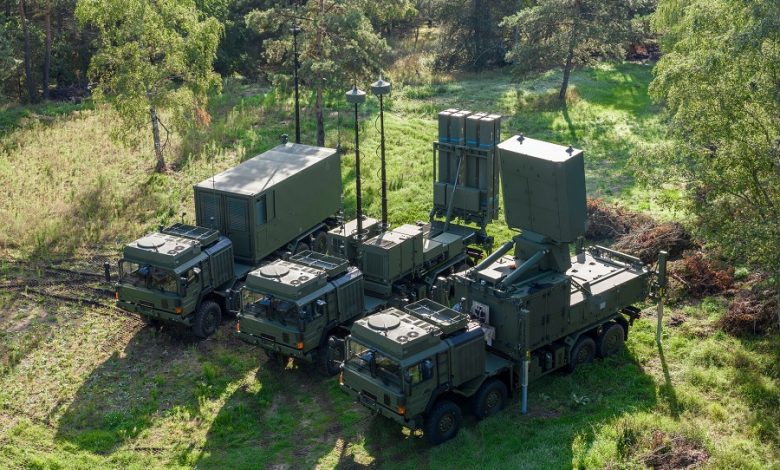
The open-source data analysis group German Aid to Ukraine tracked the transfer. According to its data, this shipment represents Germany’s tenth IRIS-T SLM launcher delivered to Kyiv since 2022.
Ukraine expects two additional IRIS-T SLM batteries by year-end. These are expected as the 11th and 12th units.
Those planned deliveries could further strengthen Ukraine’s air defence network. They also show that German support has moved beyond isolated shipments.
For Kyiv, predictable delivery timelines matter. They allow planners to assign crews, protect priority zones and manage interceptor demand.
The IRIS-T launcher delivery has immediate and practical value. Ukraine faces constant pressure from drones, guided bombs and missiles.
Its main importance lies in network depth. One more launcher can help cover gaps when other systems reload, relocate or sustain maintenance.
However, the delivery also underlines a wider challenge. Launchers are only part of the air defence equation.
Ukraine’s urgent need is interceptor supply. Without enough missiles, air defence systems cannot sustain high-tempo protection.
Germany’s role therefore remains important on two levels. It supplies hardware, while also supporting training and future battery deliveries.
For wider coverage of air defence systems, read our Air Systems coverage on DMX Defence.
Ukraine will now look towards the expected 11th and 12th IRIS-T SLM units. Their arrival by year-end would add more structure to Kyiv’s air defence network.
The next key issue is missile availability. Russia’s weekly attack volume shows why interceptor stocks will shape operational endurance.
If Germany and other partners sustain deliveries, Ukraine can keep improving protection. If missile supplies lag, new launchers may deliver less battlefield effect.
The delivery therefore matters, but it is not the end of the requirement. Ukraine needs a continuous air defence pipeline, not only single equipment transfers.