 11
11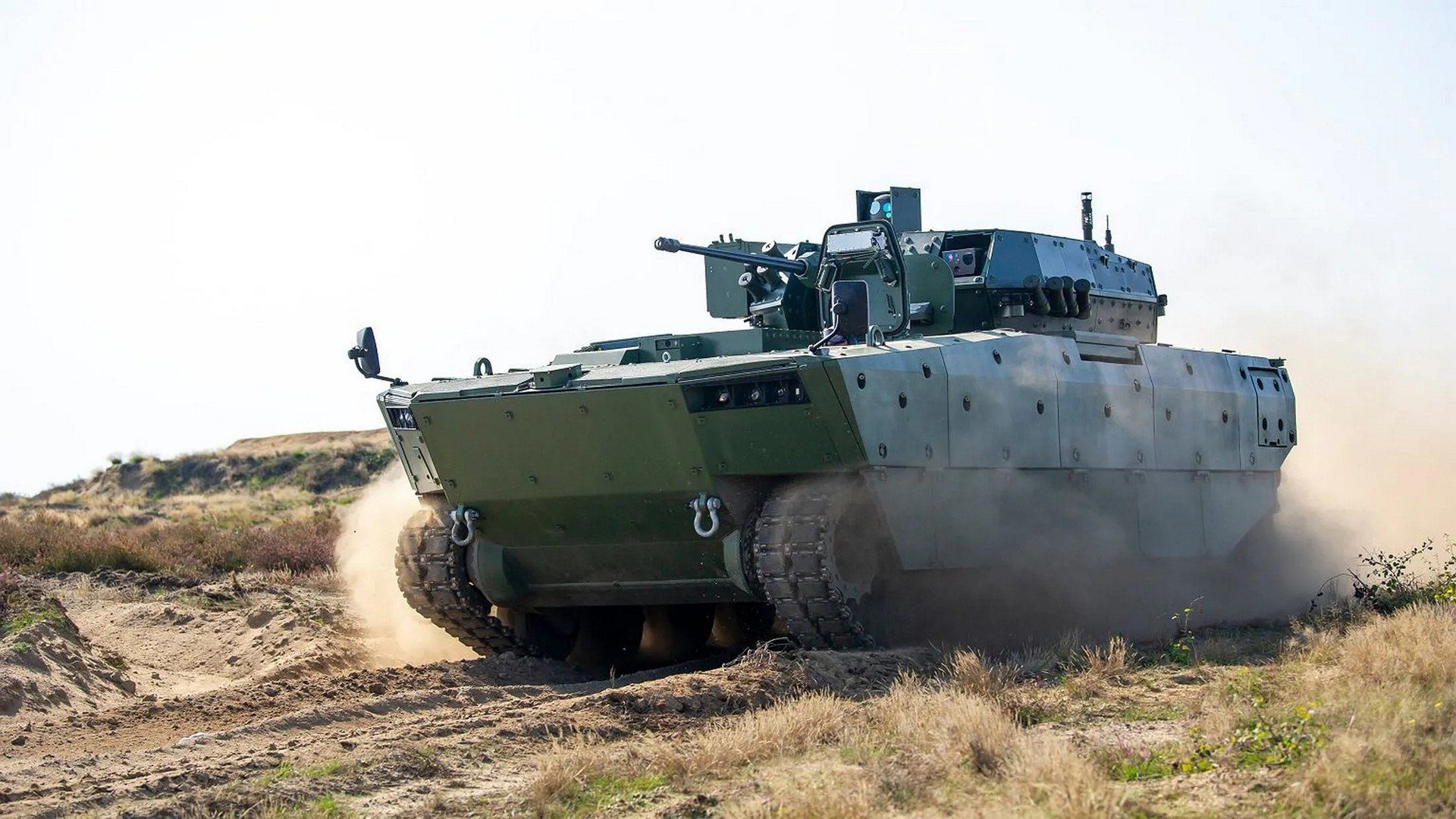
Borsuk IFV procurement is accelerating as Poland adds 146 more vehicles to its land forces upgrade.
Poland has signed a new contract for 146 additional Borsuk infantry fighting vehicles. The deal is worth about $2.1 billion.
The order supports Poland’s wider land forces upgrade. Moreover, it confirms Warsaw’s push to replace older Soviet-era armoured platforms.
The new contract raises Poland’s confirmed Borsuk order total to 257 vehicles. Deliveries under the latest order are planned by 2030.
This marks the second major Borsuk order. It follows the first serial production contract for 111 vehicles signed in March 2025.
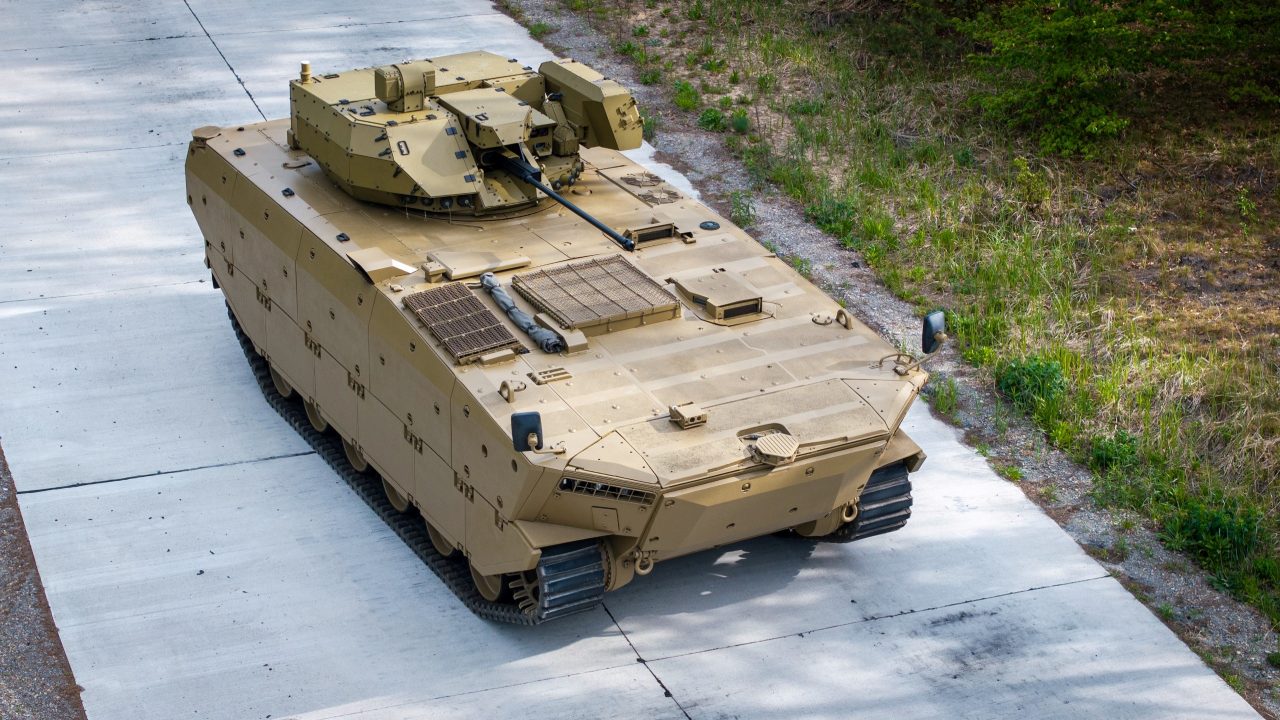
The new Borsuk vehicles will be produced by a consortium of Polska Grupa Zbrojeniowa and Huta Stalowa Wola. PGZ and HSW now sit at the centre of Poland’s tracked vehicle renewal.
This production model keeps the programme inside Poland’s domestic defence industry. Therefore, the order supports both military readiness and national industrial depth.
The current 257-vehicle order can equip four mechanised infantry battalions. Some vehicles will also support training and reserve needs.
That structure matters for force generation. Poland needs enough vehicles not only for frontline units, but also for training pipelines.
Poland’s February 2023 long-term framework agreement sets a much larger target. The plan covers about 1,400 Borsuk-based platforms.
The framework includes infantry fighting vehicles, command-and-control variants, reconnaissance variants, engineering vehicles and recovery vehicles. As a result, Borsuk could become a broad tracked platform family.
The programme now ranks among Poland’s most important land platform investments. It also reflects the country’s fast military growth after Russia’s war in Ukraine.
For wider context, read our Land Systems coverage on DMX Defence.
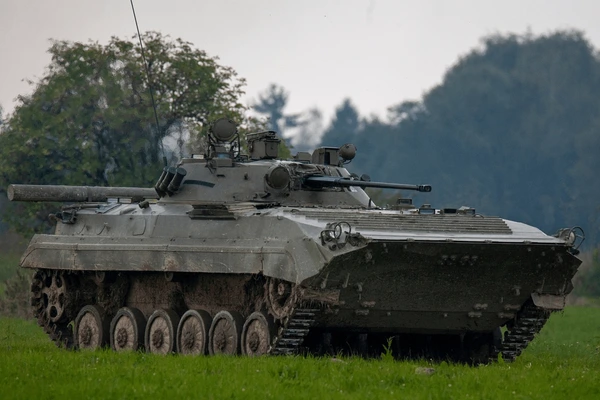
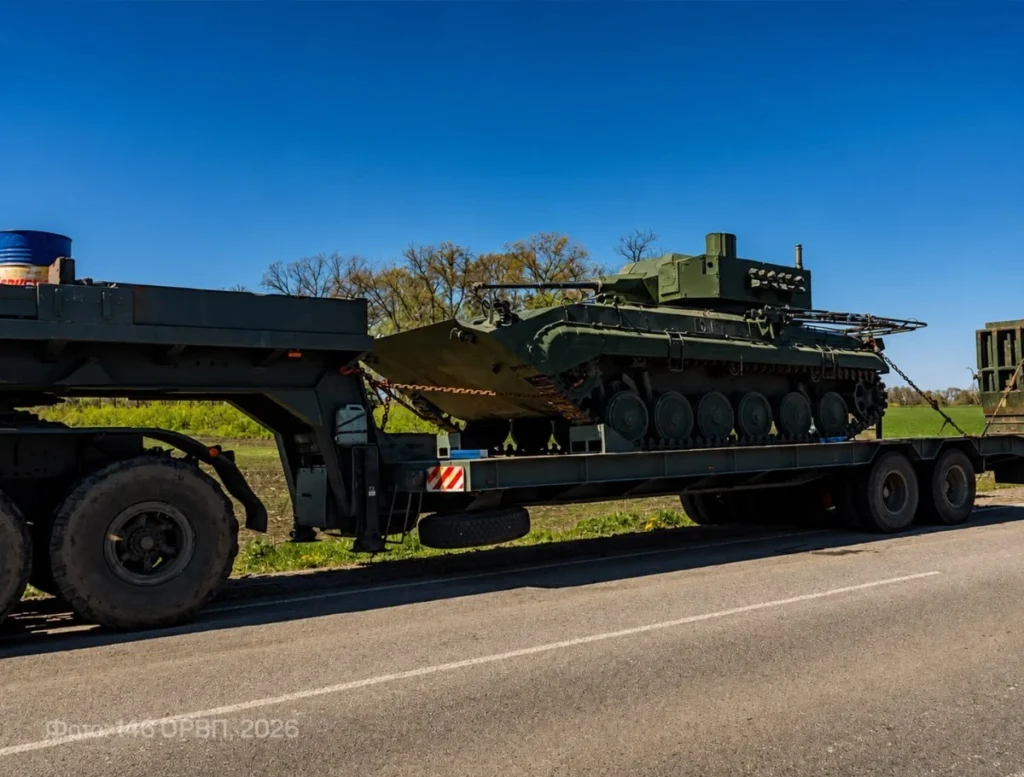
The Borsuk is Poland’s first domestically developed tracked infantry fighting vehicle. It was designed to replace Soviet-era BMP-1 vehicles still serving with Polish Land Forces.
This replacement is important for combat power and crew protection. The BMP-1 belongs to a much older generation of armoured vehicles.
Borsuk gives Poland a modern domestic answer to mechanised infantry needs. It also reduces long-term dependence on old foreign-origin armour.
The vehicle weighs about 28 tonnes. It carries a crew of three and six fully equipped infantry soldiers.
The Borsuk uses an MTU 720 horsepower diesel engine. It can reach 65 km/h on land.
The platform also has amphibious ability. Thanks to water jets, it can cross rivers and water obstacles.
Borsuk is considered one of the few amphibious tracked infantry fighting vehicles currently in production. That feature gives Polish units more tactical movement options.
Amphibious mobility can matter in Central and Eastern European terrain. Rivers, lakes and wet ground can shape movement during armoured operations.
According to HSW’s official Borsuk page, the vehicle can cross wide water obstacles and operate across varied terrain.
One of Borsuk’s key features is the ZSSW-30 unmanned turret. HSW and WB Group jointly developed the turret system.
The unmanned turret keeps the crew inside the armoured hull. Therefore, the design improves crew protection during combat.
The crew does not sit inside the turret. Instead, soldiers operate from the protected body of the vehicle.
This architecture also helps integrate advanced sensors. Moreover, it supports a more modern fire-control layout.
The ZSSW-30 turret carries a 30 mm Mk44S Bushmaster II automatic cannon. The gun uses NATO-standard ammunition.
The turret also integrates two Spike-LR anti-tank guided missiles. This gives Borsuk a stronger ability against armoured threats.
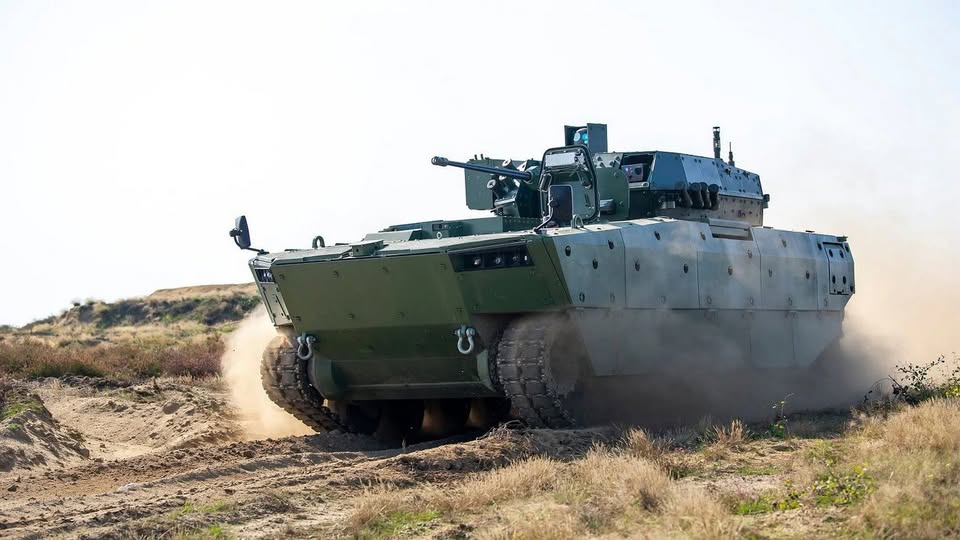
The fire-control system uses day and thermal imaging sensors. These sensors support target detection and engagement in day, night and difficult weather.
This gives Borsuk more consistent combat value. In contrast, older platforms often struggle in low-visibility environments.
Poland is expanding production capacity at Huta Stalowa Wola facilities. The expansion aims to meet rising Borsuk order volumes.
HSW is expected to reach about 100 vehicles per year during 2026. Consequently, the production line must sustain a high tempo in the coming years.
The first 15 Borsuk vehicles were delivered in December 2025. They went to Poland’s 15th Mechanised Brigade.
That delivery gave the programme an important practical milestone. It also showed that the vehicle has moved from development into real unit service.
The new contract will keep production active through the coming years. Deliveries are expected to continue until 2030.
This schedule gives Poland a clearer upgrade path. However, maintaining production quality at scale will remain a key challenge.
New vehicles require more than delivery ceremonies. Poland must also train crews, mechanics and commanders for sustained use.
Spare parts, simulators and maintenance systems will shape real readiness. Therefore, the industrial programme must support the full vehicle lifecycle.
The Borsuk order fits Poland’s wider armoured modernisation drive. Warsaw is investing heavily in tracked, wheeled and artillery systems.
The country wants more capable ground forces on NATO’s eastern flank. As a result, domestic production has become a strategic priority.
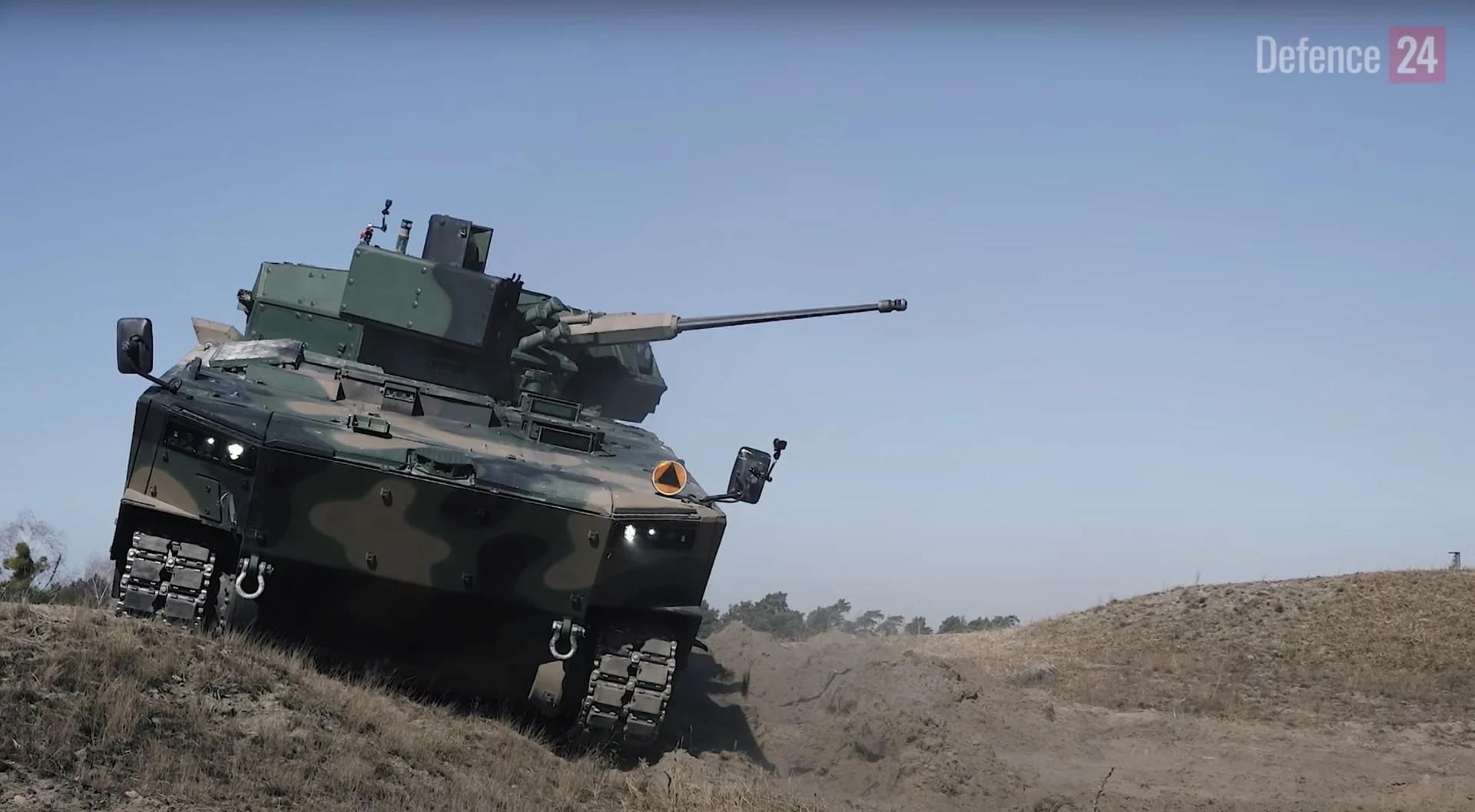
Borsuk strengthens Poland’s ability to produce its own core combat vehicles. That matters for national resilience during a long crisis.
The programme also gives PGZ and HSW a stronger industrial position. In addition, it may support future export or cooperation opportunities.
The Borsuk İFV programme gives Poland more than a BMP-1 replacement. It builds a domestic tracked vehicle base for future force structure.
The confirmed 257-vehicle order gives the programme real scale. Meanwhile, the February 2023 framework points towards a much larger platform family.
The ZSSW-30 turret adds another industrial benefit. It links HSW and WB Group technologies inside a Polish combat vehicle architecture.
The biggest near-term test will be production rhythm. Reaching about 100 vehicles per year in 2026 would strengthen confidence in HSW’s capacity.
For the Polish Army, Borsuk improves mobility, firepower and protection. For industry, it anchors one of Poland’s most important land systems programmes.