 11
11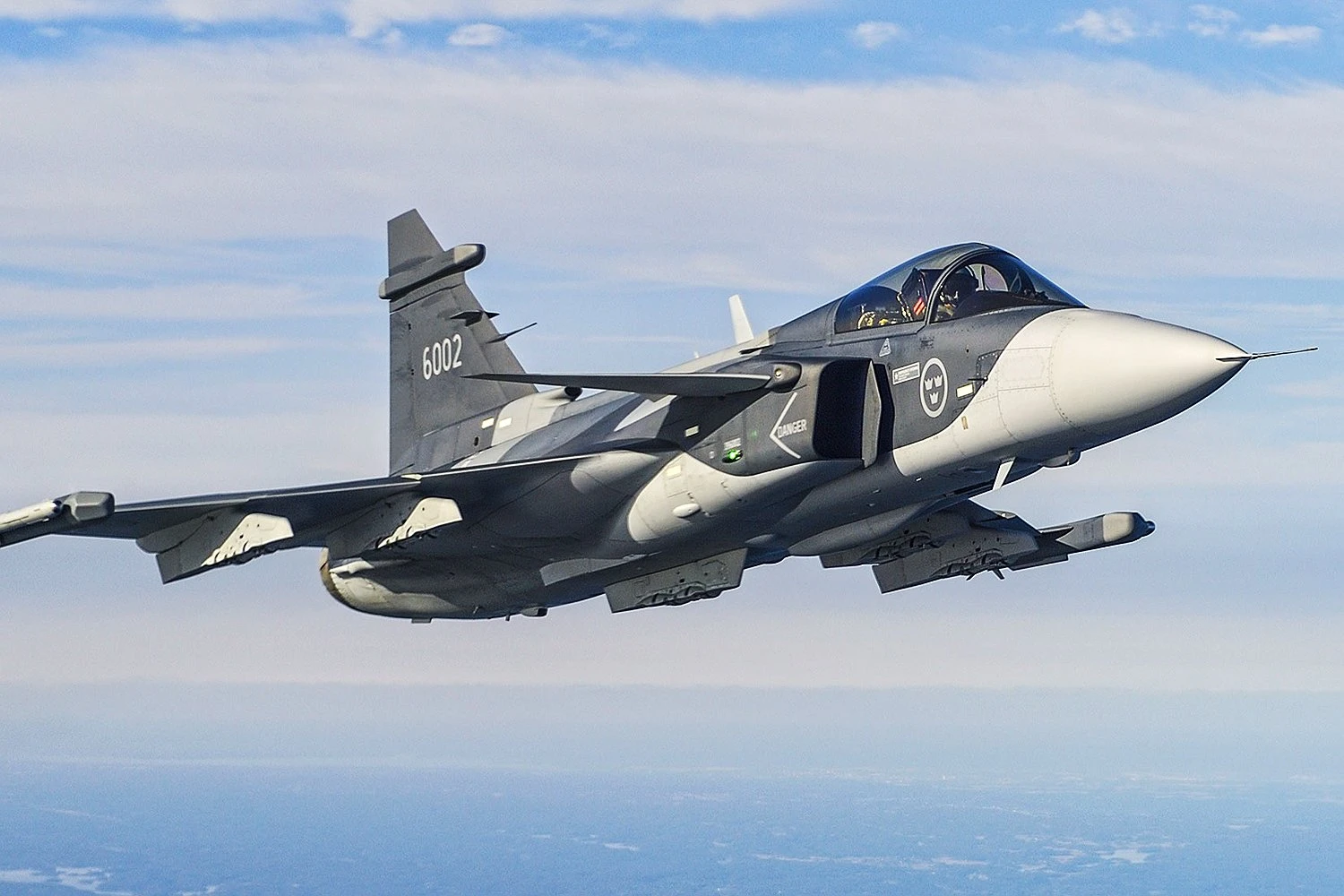
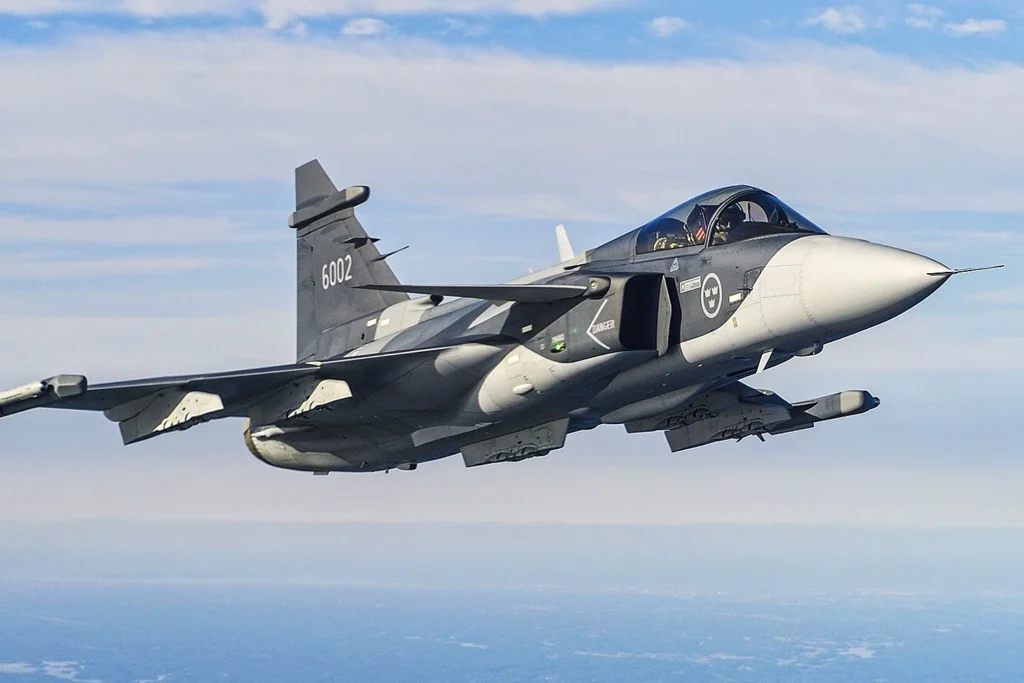
Gripen F fighter has reached rollout in Sweden, marking a key step for Brazil’s next-generation airpower plan.
Saab rolled out the first Gripen F two-seat fighter on June 2, 2026. The ceremony took place at Saab’s Linköping facility in Sweden.
The aircraft is being built for the Brazilian Air Force. It now moves to Saab’s Flight Test Centre in Sweden for a dedicated flight test campaign.
The Gripen F is not only a Swedish export aircraft. Brazil played an active role in the variant’s co-development.
That role came through a technology transfer programme. The programme has trained hundreds of Brazilian engineers and technicians.
The aircraft belongs to the wider Gripen E family. However, the Gripen F adds a second independent cockpit for training and operational use.
This gives the Brazilian Air Force a combat aircraft that can also support advanced conversion training. It avoids treating training as a separate and weaker mission.
According to Saab’s official Gripen E-series page , Gripen F is the two-seat member of the Gripen E-series family.
A two-seat fighter can train pilots inside the aircraft they will later fly in combat. This makes the learning process more direct.
An instructor can observe, guide and intervene during real mission profiles. Therefore, pilot training can move closer to frontline operating conditions.
Brazil ordered the Gripen under a 2014 contract. The agreement covers 36 aircraft for the Brazilian Air Force.
The order includes 28 Gripen E single-seat fighters and 8 Gripen F two-seat fighters. Saab has delivered 11 aircraft to date.
The Gripen F rollout marks a milestone in a major defence industrial partnership. It links a European aerospace company with a Latin American air force and industry base.
That matters for Brazil because the programme is not limited to aircraft delivery. It also supports skills, engineering experience and local industrial growth.
After rollout, the aircraft will enter a dedicated flight test campaign in Sweden. This stage must validate the aircraft before final delivery.
Flight testing is a normal but important step. It checks handling, systems behaviour and aircraft readiness before operational handover.
The rollout does not mean the aircraft has joined Brazilian service. It means the first Gripen F has reached a visible production milestone.
This distinction matters for readers. The aircraft still needs test activity before final delivery to the Brazilian Air Force.
The Gripen F addresses a key training issue for modern fighter fleets. Air forces must prepare pilots for high-performance aircraft without creating a wide training gap.
Traditional conversion training often uses a two-seat trainer variant. However, that aircraft may not fully match the operational fighter’s mission experience.
The Gripen F reduces that gap. It allows pilots to train on a fighter that remains close to the combat configuration.
This can improve confidence during mission training. It also helps instructors teach tactics, cockpit workflow and emergency procedures more realistically.
The Gripen F is part of the Gripen E family. The wider family now has growing international relevance.
Thailand and Colombia have also placed Gripen F orders. This shows that the two-seat variant has interest beyond Brazil.
Thailand and Colombia add export weight to the programme. Their orders suggest that two-seat fighters still matter for air forces adopting newer combat aircraft.
This demand is not only about basic training. It also reflects the need for operational flexibility, mission instruction and complex scenario training.
Brazil’s role in developing the Gripen F gives the programme deeper strategic value. Technology transfer can build national knowledge, not just deliver aircraft.
Hundreds of Brazilian engineers and technicians have received training through the programme. That knowledge may support future maintenance, upgrades and industrial work.
For Brazil, the industrial benefit could last beyond the first fleet delivery. Skilled engineers and technicians can support defence aviation for decades.
This is one reason the programme stands out. It combines fighter acquisition with long-term aerospace learning.
The Gripen F gives Brazil a tool for both training and operational missions. This can support a smoother transition into the Gripen E/F fleet.
The Brazilian Air Force needs pilots who can operate modern sensors, weapons and mission systems. A two-seat fighter helps build that experience inside the same aircraft family.
Training quality affects real readiness. A modern fighter fleet only delivers value when pilots can exploit its systems under pressure.
Because of this, the Gripen F should be viewed as more than a trainer. It is part of Brazil’s wider combat aviation structure.
The Gripen F fighter rollout matters because it connects aircraft delivery with industrial learning. Brazil helped develop the variant, while Saab retains core production and test responsibilities in Sweden.
The programme also shows how fighter exports now often include deeper cooperation. Countries want aircraft, but they also want skills, local industry and long-term control.
For Saab, Gripen F strengthens the Gripen E family’s export profile. Orders from Brazil, Thailand and Colombia give the two-seat variant a broader customer base.
For Brazil, the aircraft supports training, operational conversion and future fleet maturity. The next major step will be flight testing and final delivery.
For wider combat aviation coverage, read our Air Systems coverage on DMX Defence.
Saab will now move the first Gripen F into flight testing. The campaign will take place at Saab’s Flight Test Centre in Sweden.
Brazil will then watch the delivery path closely. The programme’s practical value depends on testing, handover, training and fleet integration.
The wider Gripen E/F order will also remain important. With 36 aircraft under Brazil’s 2014 contract, the Gripen F will support the long-term training base behind the fleet.