 11
11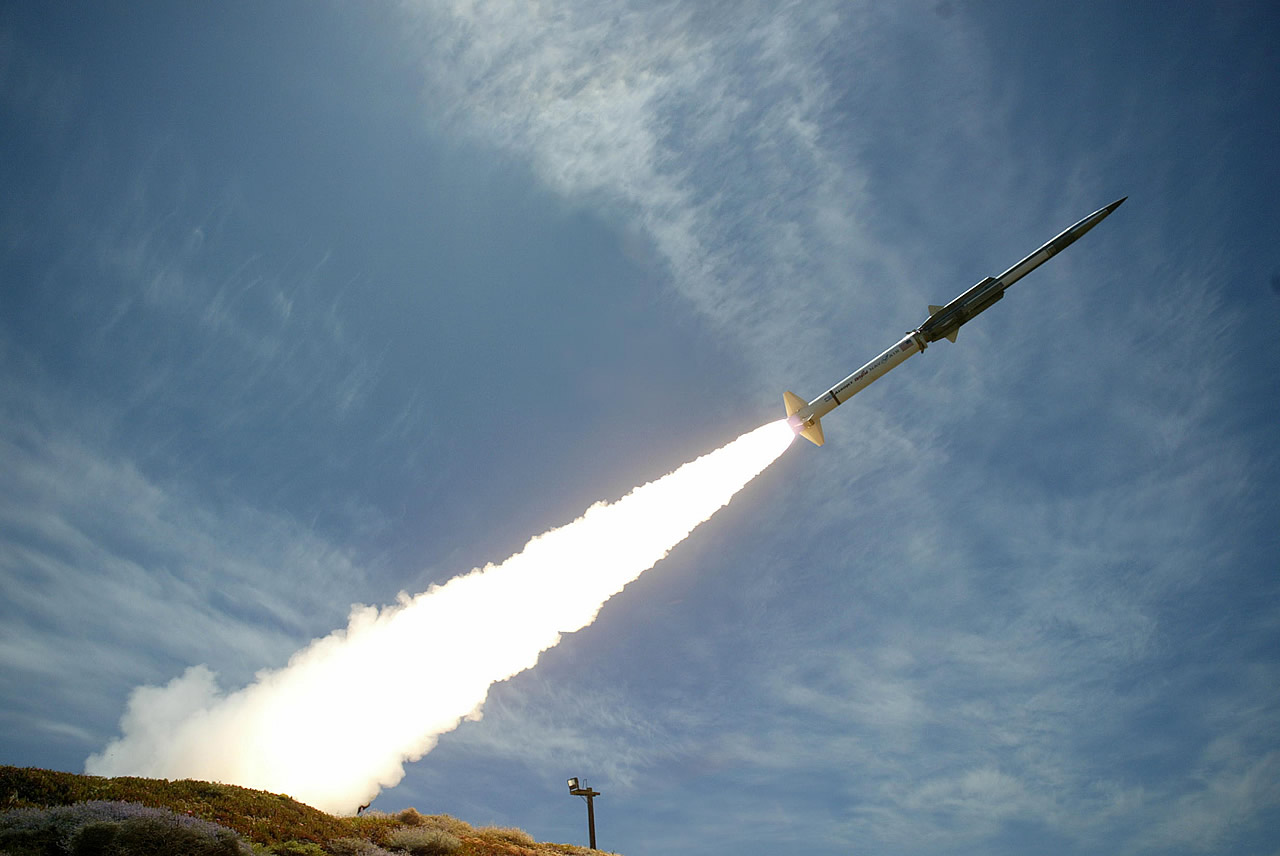
GQM-163A Coyote funding will keep the U.S. Navy’s supersonic target missile programme active through 2031.
The U.S. Navy has signed a new contract with Northrop Grumman for the GQM-163A Coyote target missile programme. The deal is worth $100 million.
The agreement will continue through 2031. It covers target missile supply, flight profile planning and operational support services.
The contract gives the Navy continued access to a high-speed threat simulator. That matters because ship air defence tests need targets that resemble modern anti-ship missiles.
Coyote helps crews and combat systems train against demanding profiles. It also supports live-fire tests under more realistic conditions.
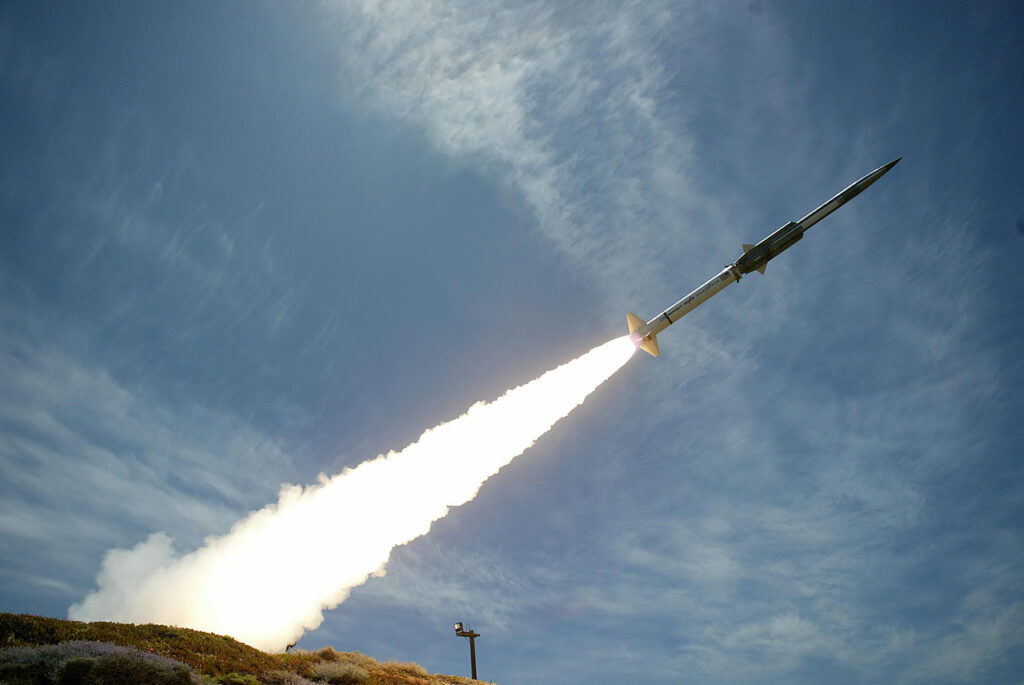
The GQM-163A Coyote is the only U.S.-produced supersonic sea-skimming target missile. It plays a specialist role in naval air and missile defence testing.
Northrop Grumman describes the system as a threat-representative target for testing ship anti-cruise missile defences. According to Northrop Grumman’s official Coyote page , the target supports U.S. and allied navy missile defence testing.
The target imitates flight characteristics linked to advanced anti-ship cruise missiles. These include China’s YJ-12 and Russia’s P-800 Oniks.
This role gives the Navy a practical test tool. A defence system must face realistic targets before crews trust it in combat.
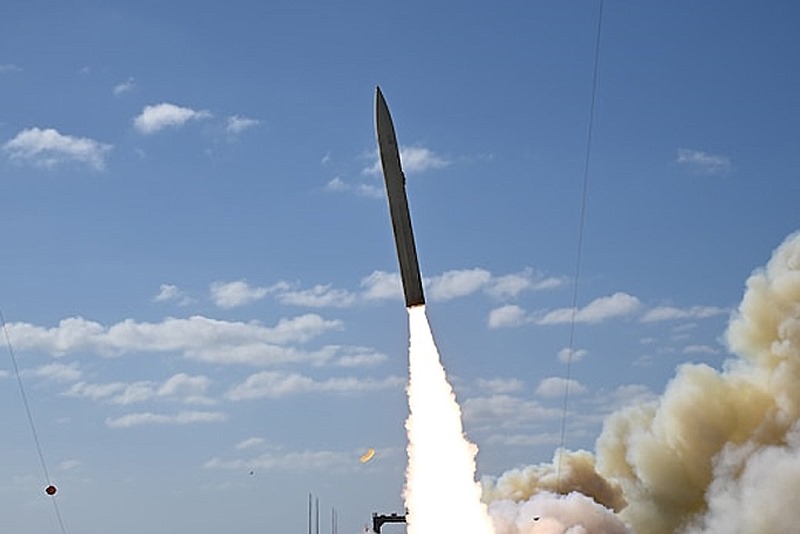
The GQM-163A Coyote can fly as a sea-skimming target at Mach 2.5+. It can also operate as a diving target at Mach 3.5+ from 52,000 ft.
The target can also perform high-G turns. This makes it more difficult for combat systems to track, classify and engage.
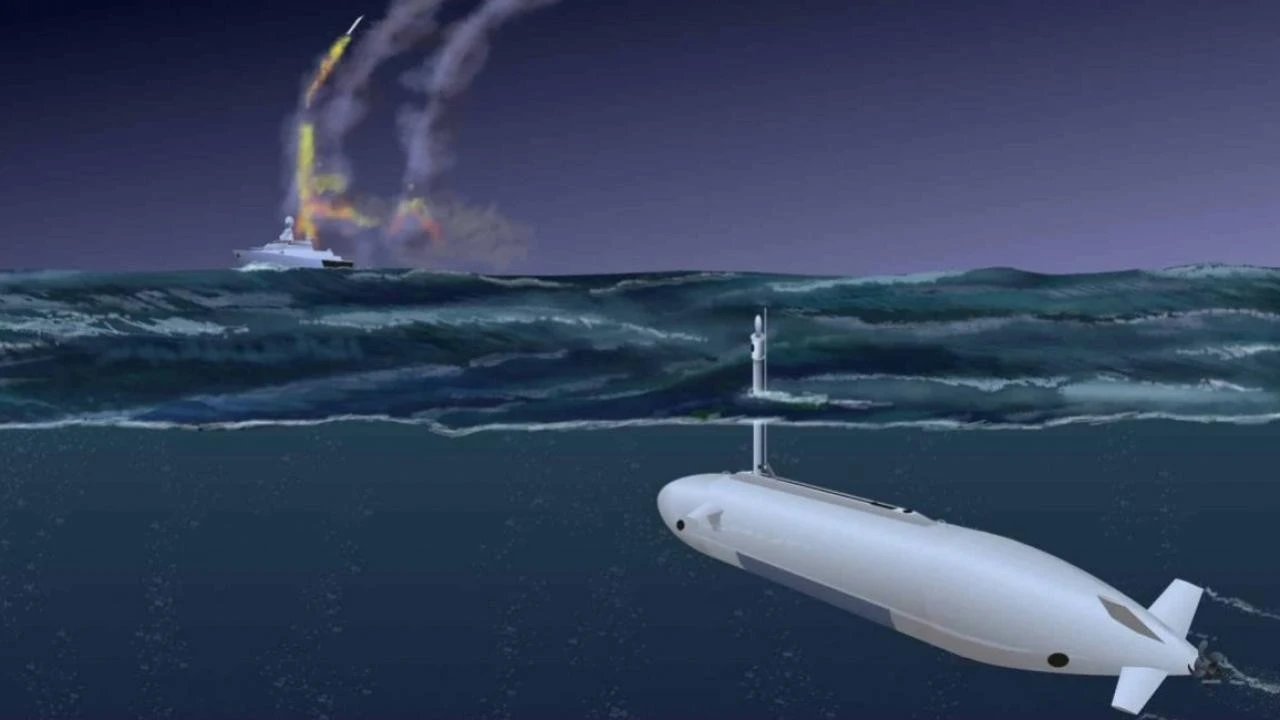
Sea-skimming missiles create a serious ship defence problem. They fly low, reduce radar warning time and compress crew reaction windows.
Because of this, navies need test targets that stress sensors and interceptors. Slow or simple targets cannot show whether a ship is ready.
The GQM-163A Coyote supports tests involving the U.S. Navy’s Aegis combat management system. It also supports live-fire work with SM-6 interceptors.
The system contributes to testing close-in air defence weapons as well. This makes Coyote useful across layered ship protection.
Modern naval air defence is not only about one missile. It involves detection, tracking, command decisions, interceptor launch and final engagement.
Coyote can help test this full chain. Therefore, it supports both hardware evaluation and crew training.
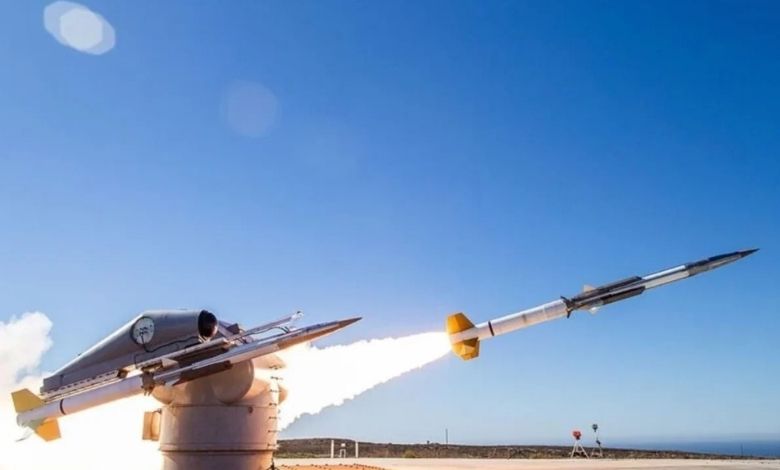
The original development contract for the GQM-163A Coyote programme was awarded in 2000. The first launch followed in 2003.
The system entered operational service in 2005. Since then, it has become a long-running part of U.S. Navy test activity.
Northrop Grumman delivered the 200th Coyote target missile to the U.S. Navy in June 2025. That milestone shows the programme’s long service history.
The figure also points to sustained demand. Supersonic target missiles remain important as anti-ship missile threats continue to evolve.
The United States is not the only Coyote user. Japan, Israel and France also use GQM-163A Coyote targets for naval air defence testing.
This gives the programme wider allied relevance. It supports common learning against high-speed anti-ship missile profiles.
Allied navies face similar missile defence problems. Supersonic sea-skimming threats can challenge sensors, weapons and command systems.
Using a shared target type can support comparable test standards. It may also help partners understand how their systems perform against similar threats.
The Coyote programme is managed by Naval Air Systems Command, known as NAVAIR. The programme sits at Naval Air Station Patuxent River in Maryland.
This management structure keeps the target connected to U.S. naval aviation and missile defence testing. It also supports long-term programme control.
Coyote gives navies a cost-effective target for simulating advanced supersonic anti-ship missile threats. That does not mean the target is simple.
Instead, it gives test ranges a repeatable way to challenge ship defence systems. Repeatable targets help engineers compare test results over time.
The $100 million contract is important because target systems often receive less public attention than interceptors. However, effective air defence depends on credible testing.
Aegis, SM-6 and close-in defence systems need demanding targets. Without realistic targets, ship crews cannot fully validate tactics or system performance.
The new contract also keeps Coyote available through 2031. That gives the Navy stability for future test planning and range operations.
For Northrop Grumman, the award extends a specialised programme with more than two decades of history. For the Navy, it preserves access to a rare U.S.-built supersonic sea-skimming target.
For wider coverage of naval defence and missile systems, read our Naval Systems coverage on DMX Defence.
The next phase will focus on continued target supply and test support. Flight profile planning will remain central to creating realistic threat scenarios.
Operational support will also matter. Launch preparation, test coordination and data handling shape the value of each live-fire event.
The wider trend is clear. As anti-ship missile threats become faster and harder to defeat, credible target missiles become more important.
Coyote’s role is therefore not only technical. It helps the Navy and allied fleets measure whether their defensive systems can respond under pressure.