 11
11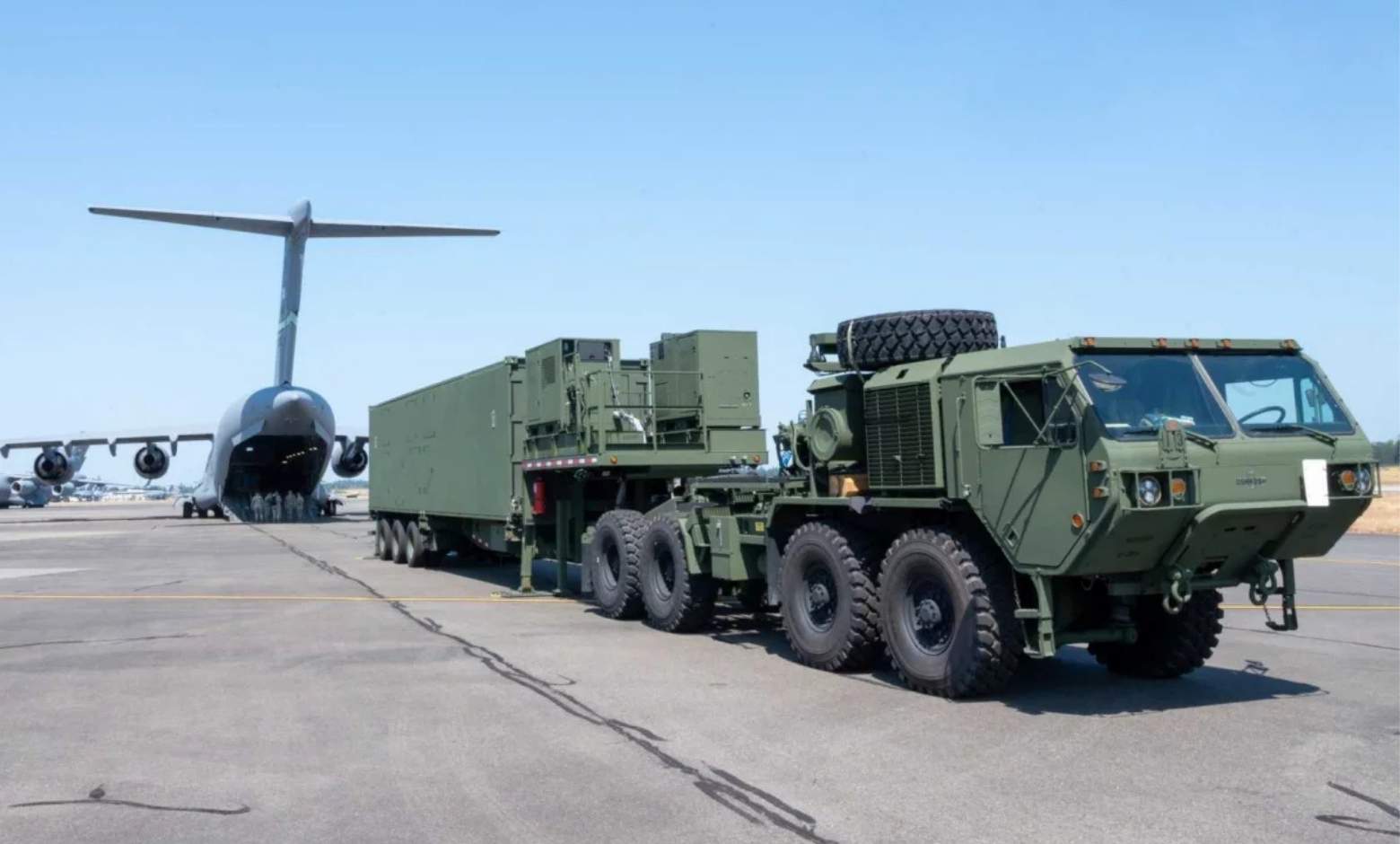
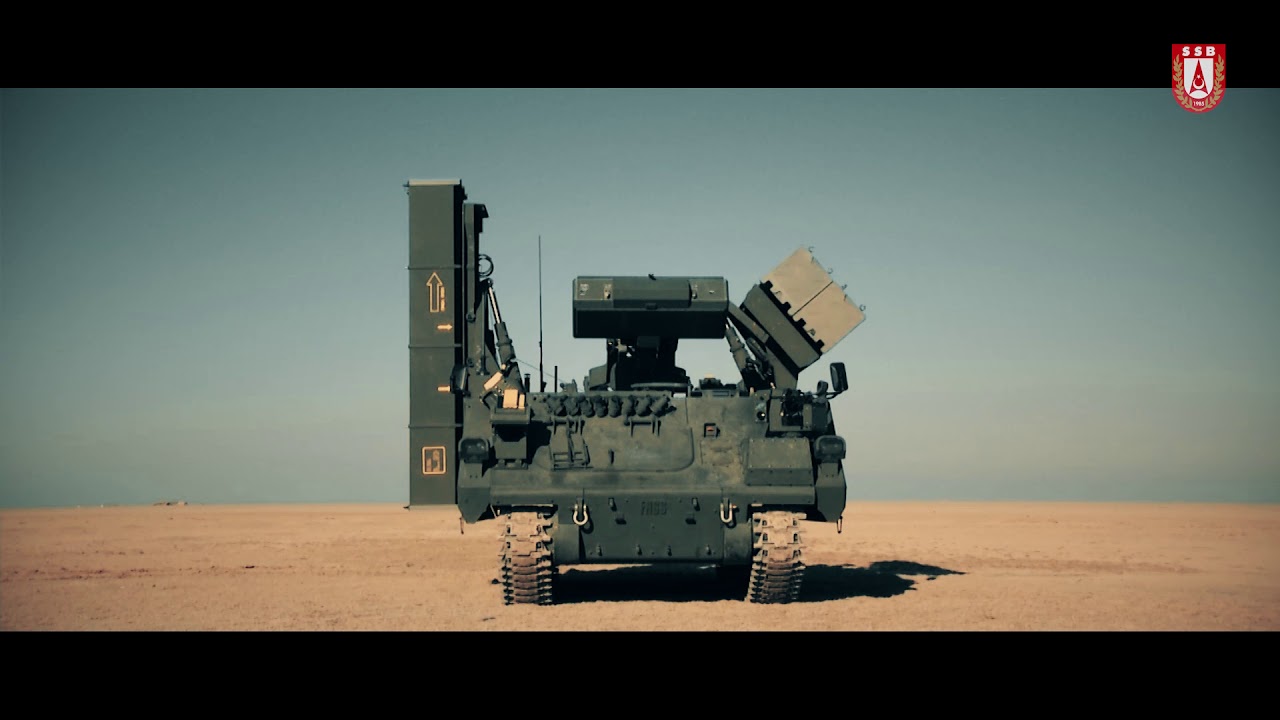
Typhon Missile System deployment will place new US long-range firepower in Japan during joint drills.
Washington will send the Typhon Missile System and HIMARS to Kanoya Air Base.
The US Army plans the deployment with the Japan Self-Defence Forces.
The systems will support “Brave Shield” and “Eastern Shield” exercises from June to September.
Moreover, US forces will move both systems to Kanoya Air Base for the drills.
However, Japan’s Defence Ministry said the exercises will not include live-fire activity.
After the drills, the US plans to store Typhon and HIMARS at American military bases in Japan.
This plan gives Washington faster access to land-based missile systems in the Pacific.
Meanwhile, China strongly criticised the move.
Beijing said the deployment could threaten regional security and trigger a new arms race.
Chinese Foreign Ministry Spokesman Guo Jiakun described Typhon as a strategic offensive weapon.
He said the deployment would damage regional strategic stability.
Furthermore, Guo said China firmly opposes US medium-range missile deployments in Asian countries.
He argued that Typhon harms other states’ legitimate security interests.
According to Beijing, the move also increases military confrontation risks.
China also links the deployment to Japan’s wider rearmament process.
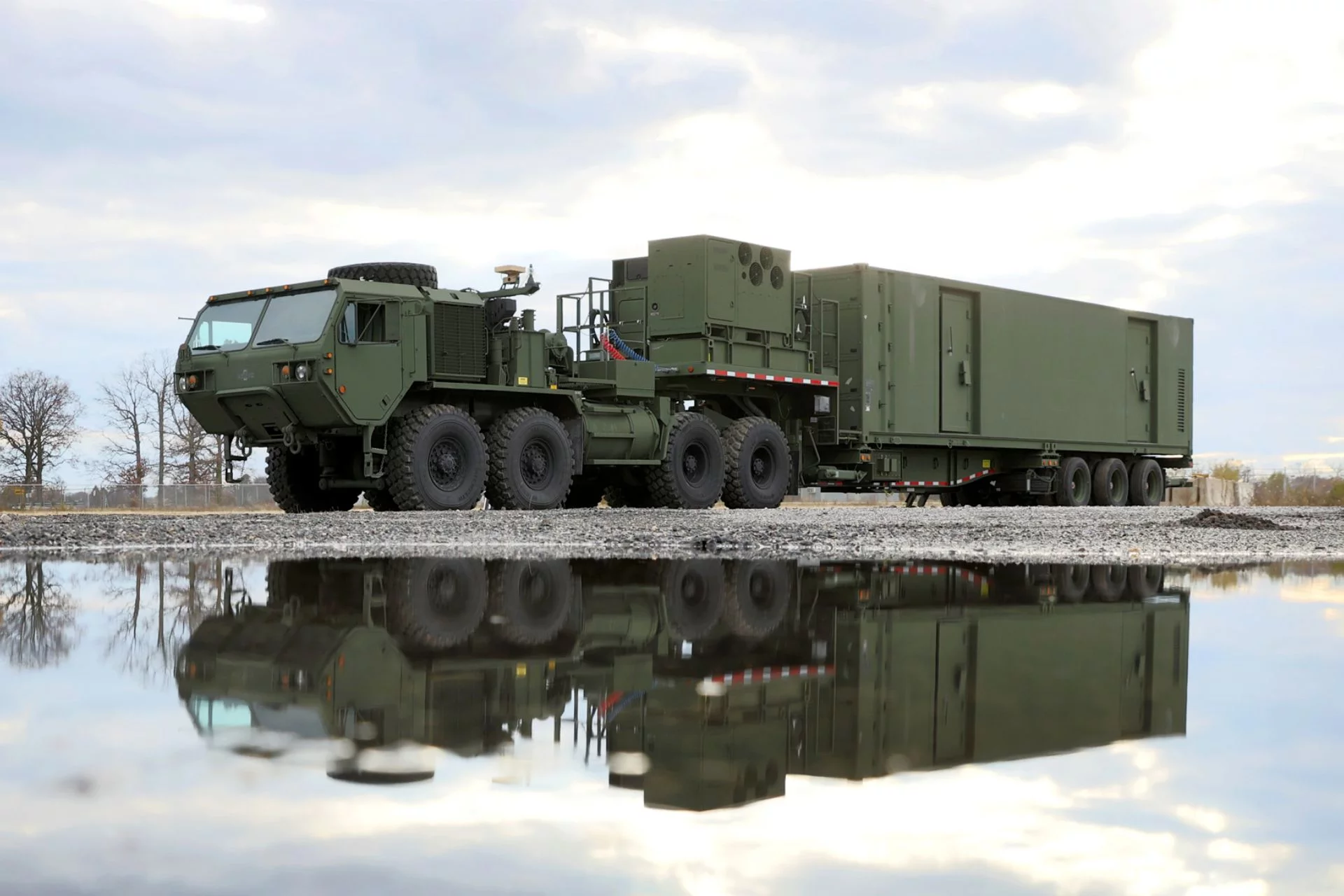
Lockheed Martin developed the Typhon Missile System for the US Army.
The system includes four launchers, one battery operations centre and command vehicles.
Additionally, it uses support infrastructure for sustained field operations.
Typhon uses modified versions of the Mk 41 Vertical Launch System.
Typhon can fire Tomahawk cruise missiles with a range of about 2,500 kilometres.
It can also launch SM-6 interceptors with a range of 500 kilometres.
As a result, Typhon gives ground forces a wider strike and defence envelope.
The system fills the range gap between Precision Strike Missile and Long-Range Hypersonic Weapon.
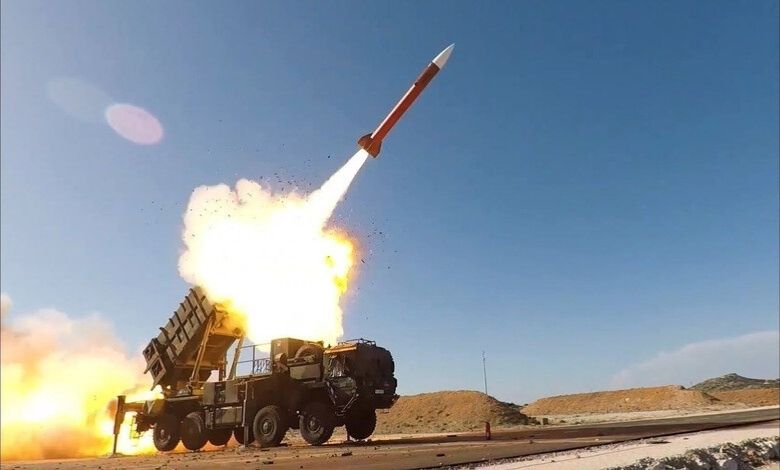
The US will also deploy the M142 HIMARS system to Japan.
HIMARS uses a 6×6 wheeled mobile launcher.
The system follows the “shoot-and-scoot” concept.
Therefore, crews can fire and quickly change position against counter-battery threats.
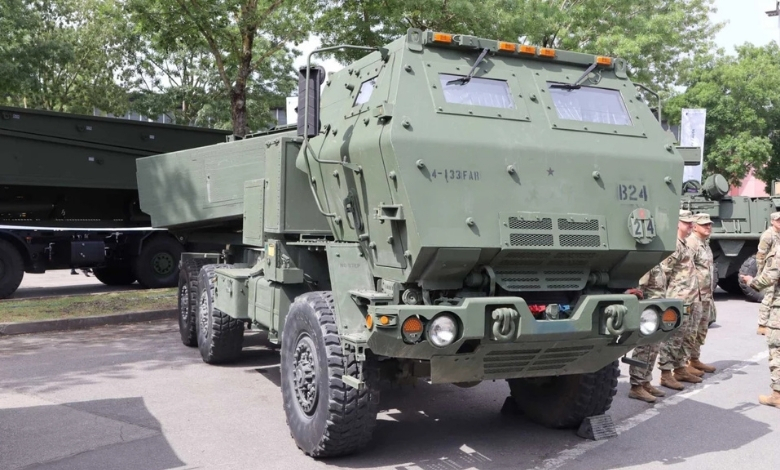
One HIMARS launcher can carry six GMLRS rockets.
Instead, it can carry one ATACMS ballistic missile or two PrSM missiles.
Depending on ammunition, HIMARS can strike targets beyond 70 kilometres.
It can also support 300-kilometre-class ballistic missile engagements.
Moreover, C-130 transport aircraft can move HIMARS because of its compact design.
The system also works with NATO’s M270 MLRS ammunition family.
Washington has increased its long-range ground-based missile focus in the Pacific.
This effort responds to China’s growing military capacity.
In addition, Japan offers a key forward location for regional missile coverage.
However, the deployment also raises the political cost of deterrence.
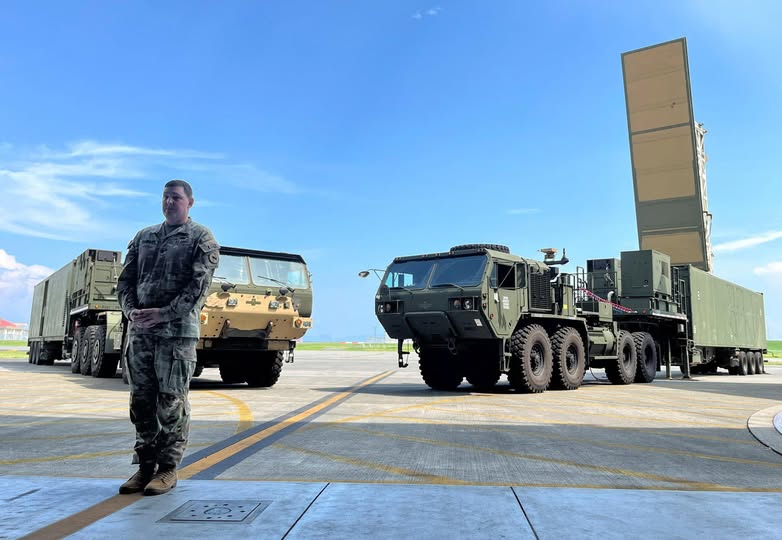
Typhon Missile System deployment gives the US a sharper land-based strike option near China.
It also strengthens rapid response planning across the western Pacific.
Meanwhile, HIMARS adds mobile firepower that can shift positions fast.
Together, both systems improve deterrence, but they also deepen regional military competition.