 11
11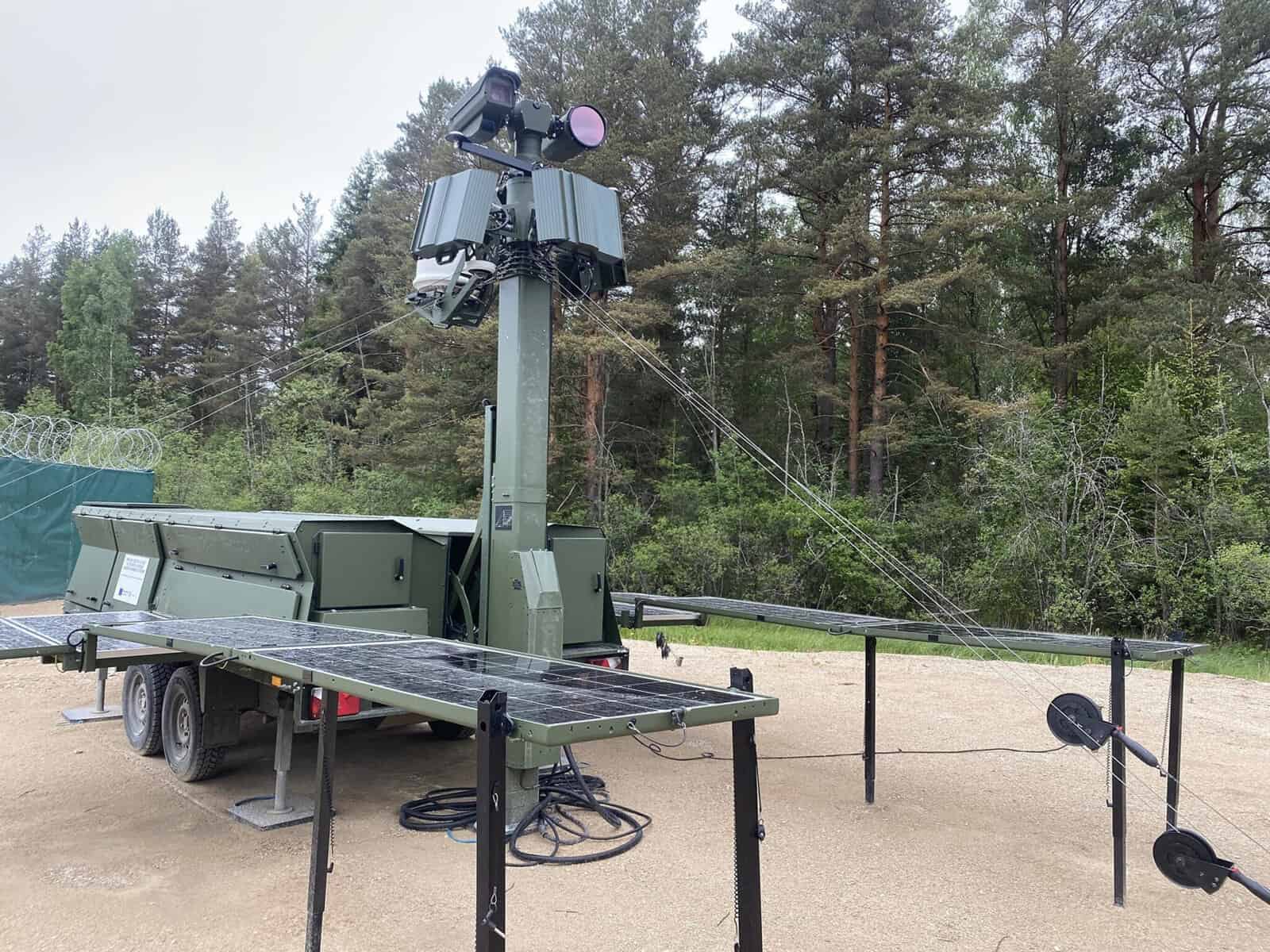
Estonia drone detection systems are now operating on the Russian border as Tallinn strengthens airspace monitoring.
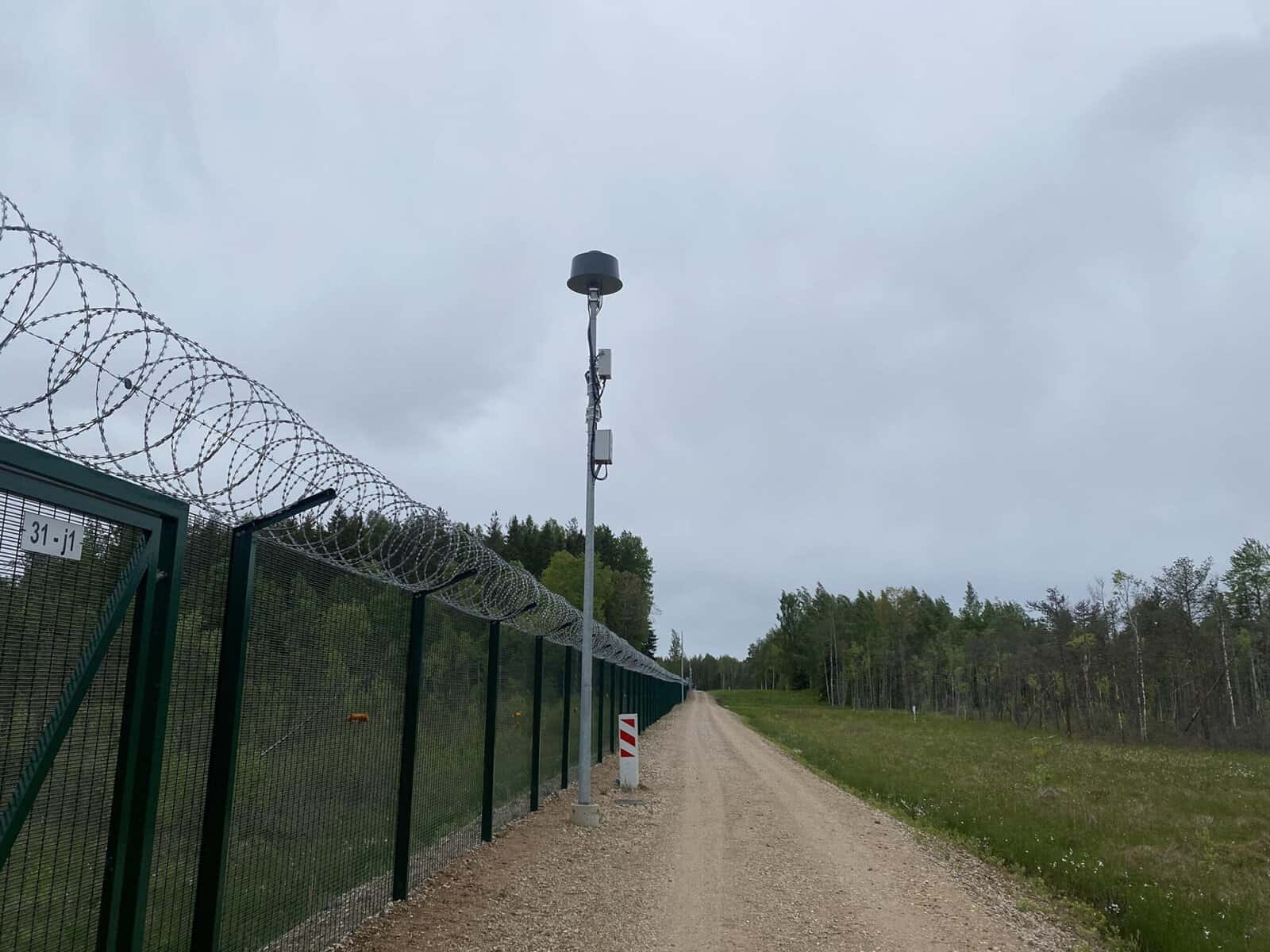
Estonian border guards have deployed the first fixed systems to detect and monitor UAVs near Russia. The move marks the opening stage of a wider national drone detection network.
ERR reported that the first systems cover three sections of Estonia’s southeastern land border. These sections sit between the Estonia-Latvia-Russia tripoint and the Luhamaa border crossing.
The deployment gives Estonia a more permanent UAV surveillance layer along a sensitive frontier. It also supports faster warning when small aerial objects appear near border areas.
According to ERR’s report on Estonia’s counter-drone deployment, the Police and Border Guard Board installed the first fixed detection and surveillance section on the eastern border.
Estonia has also sent trailer-mounted mobile radar systems to the area. These systems can support sectors where fixed equipment is not yet available.
This matters because border terrain does not create one simple surveillance problem. Forested areas, sparse settlements and uneven ground can leave gaps.
The first stage remains limited in scale, but it creates a working base. The mobile radar systems reportedly cost about €1.3 million.
The first deployment phase for UAV detection systems cost about €300,000. These figures show a staged investment rather than a complete network rollout.
The installed systems represent only the first phase of Estonia’s plan. Tallinn aims to build a broader UAV detection network over time.
The wider infrastructure, including surveillance systems on the eastern border, is planned for completion next year. This keeps the programme tied to wider border security work.
Estonia’s Police and Border Guard Board continues procuring equipment for new border sections. Construction and preparation work is reportedly moving according to schedule.
Some areas are progressing faster than planned. This gives Tallinn a stronger chance of linking drone monitoring with physical border upgrades.
The Koidula-Saatse border section remains one of the notable work areas. The contractor has pledged to complete its work by the end of this year.
The contract deadline reportedly covers a later period. Therefore, early completion would give Estonia faster surveillance depth in a sensitive location.
The southeastern border carries special security relevance. It sits close to Russia and includes areas where monitoring can be operationally demanding.
Fixed systems help create constant watch in selected zones. Meanwhile, mobile radars can move where temporary coverage becomes more important.
Estonia is expanding airspace monitoring with European Union support. This fits wider EU concern over border security and drone-related airspace risks.
The work also reflects lessons from Ukraine. Russia’s war has shown how small UAVs can create military, security and infrastructure problems.
Tallinn does not plan to limit drone detection to the frontier. Estonia also wants to equip major cities and critical infrastructure sites with UAV detection systems.
This is a practical shift. Officials have warned that attack drones do not always need to arrive directly from across a border.
Protecting only the border line may not be enough. UAVs can be launched from inside a country or from unexpected locations.
That creates a wider homeland security problem. Critical infrastructure, urban areas and energy sites need warning capacity as well.
Drone detection is not the same as interception. However, it is the first step in any serious counter-UAV process.
Authorities need to know where the UAV is, where it is heading and what it may threaten. Without detection, response options become slower and weaker.
Estonia’s move fits a broader Baltic security trend. UAV incidents linked to Russia’s war in Ukraine have increased regional concern.
The Baltic states and Finland sit near Russian territory. Therefore, airspace monitoring now carries direct national security value.
On 10 May, Ukrainian Foreign Minister Andriy Sybiga confirmed Ukraine’s readiness to support the Baltic states and Finland. The support concerns preventing UAV-related airspace violations.
The assistance could include sending specialist personnel. That point matters because Ukraine has built real wartime experience against drones.
Estonia drone detection on the Russian border serves more than a local policing function. It supports NATO’s northeastern security picture and strengthens EU external border awareness.
The first deployment is modest, but its direction is clear. Estonia is moving from basic border observation toward layered low-altitude monitoring.
The system also shows how Ukraine’s war is changing European security planning. Small UAVs now affect borders, cities, energy sites and public safety.
For Estonia, the key value is early warning. A fixed and mobile network can help authorities identify threats before they reach sensitive areas.
For the wider region, the project may become a model. Baltic states need systems that work across border zones and domestic infrastructure sites.
For related coverage of UAV and air defence technologies, read our Air Systems coverage on DMX Defence.
The next important step is network expansion. Estonia still needs to complete infrastructure across the eastern border and add equipment to further sections.
Cities and critical infrastructure will also shape the next phase. If Estonia extends detection inland, the system will become more than border surveillance.
The key challenge will be integration. Fixed sensors, mobile radars, command systems and response units must work as one structure.
Estonia’s plan remains defensive in nature. However, it reflects a much larger reality: drone threats now require national-level detection networks.
Source: ERR