 11
11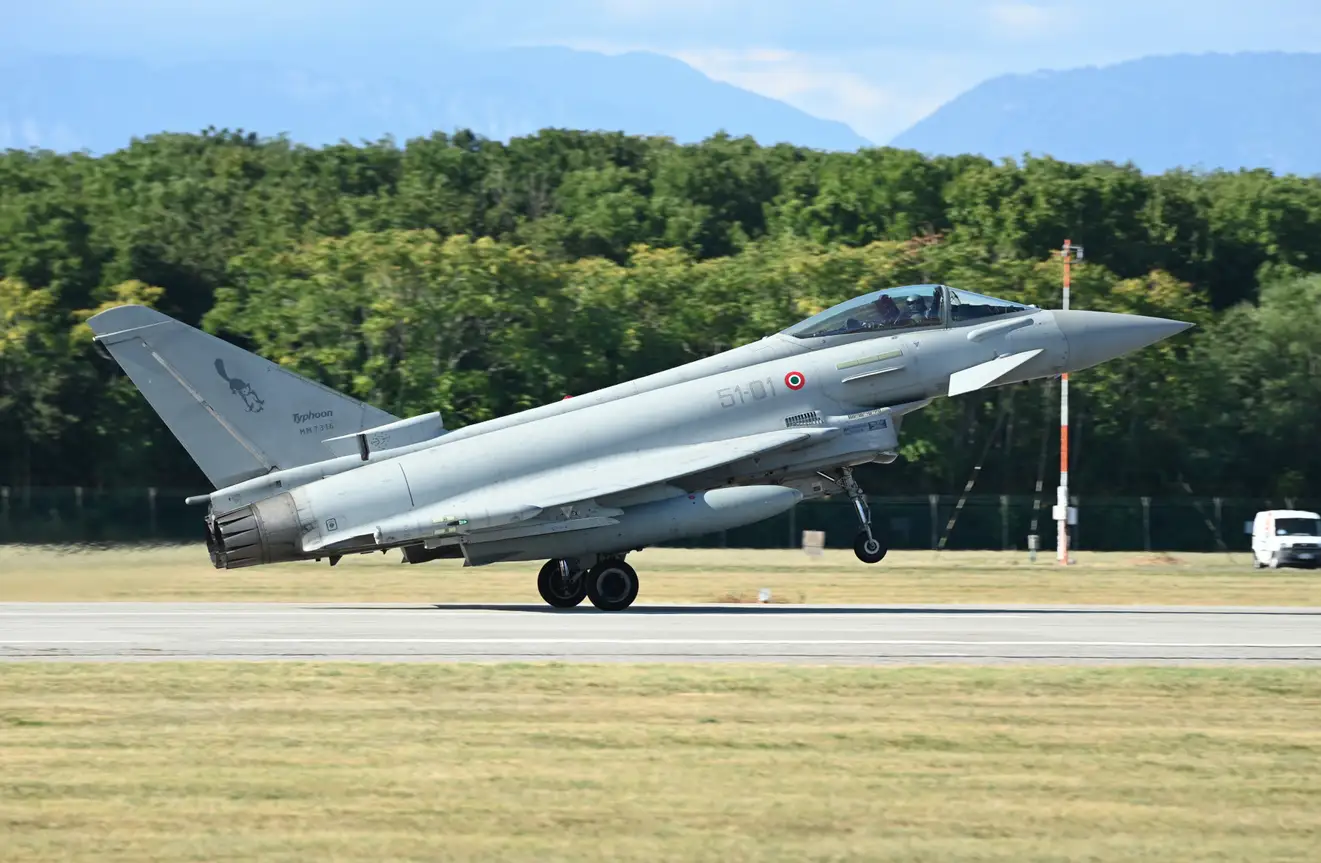
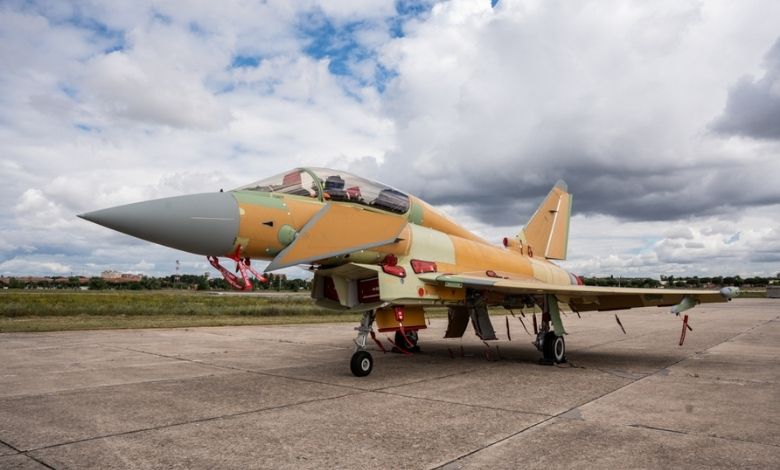
Spain Eurofighter Typhoon production has reached a new stage as the first Halcon I aircraft leaves Airbus’ Getafe line.
Spain’s first Eurofighter Typhoon produced under the Halcon I programme has left the production line. Airbus Defence and Space completed the aircraft at its Getafe facility near Madrid.
The company has started preparations for the aircraft’s first engine run and maiden flight. This marks an important step in Spain’s transition towards a newer Eurofighter Typhoon fleet.
The aircraft is the first of 20 Eurofighter Typhoon Tranche 4 fighters ordered under Halcon I. Spain signed that contract in June 2022.
For Madrid, the rollout is more than a factory event. It signals that the F/A-18 replacement path is now entering a visible production phase.
Airbus says deliveries are planned to begin during 2026. Spanish Air Force Chief of Staff General Francisco Braco Carbó confirmed that the first three aircraft will join the fleet this year.
This schedule gives the Spanish Air Force a near-term upgrade path. Moreover, it helps reduce pressure on older Hornet aircraft approaching the end of service life.
Spain expanded the programme in December 2024 through the Halcon II contract. Madrid ordered 25 additional Eurofighter Typhoon aircraft under that second agreement.
Together, Halcon I and Halcon II raise Spain’s new-generation Eurofighter Typhoon order to 45 aircraft. According to Airbus’ Halcon II announcement , the order strengthens Spain’s air-power plans and Eurofighter industrial footprint.
The Halcon I aircraft will offer major upgrades over Spain’s earlier Eurofighter Typhoon fleet. The most important change is the Active Electronically Scanned Array radar.
For Spain, this radar will appear as a factory-standard fit on delivered Eurofighter Typhoons. The system can track multiple targets and shift quickly between air-to-air and air-to-ground tasks.
The AESA radar also supports electronic warfare functions. This gives the new aircraft more flexibility in contested airspace.
That matters because modern fighter missions rarely involve one simple role. Aircraft must detect, track, protect themselves and share data quickly.
Spain’s new Eurofighter Typhoon aircraft will also use the Meteor beyond-visual-range air-to-air missile. The missile is known for a range above 100 kilometres.
The aircraft will also employ Brimstone precision-guided munitions. This gives the platform a wider strike role beyond air defence missions.
Meteor strengthens long-range air combat options. Meanwhile, Brimstone adds precision effects against selected ground targets.
This mix supports a broader mission set. Therefore, the Halcon aircraft will not only replace old jets, but also widen Spain’s tactical choices.
The first 20 aircraft delivered under Halcon I will replace the F/A-18 Hornet fleet at Gando Air Base. Gando sits in the Canary Islands.
The Canary Islands have strategic value in the Atlantic Ocean. They help Spain monitor approaches to the Strait of Gibraltar and eastern Atlantic sea lanes.
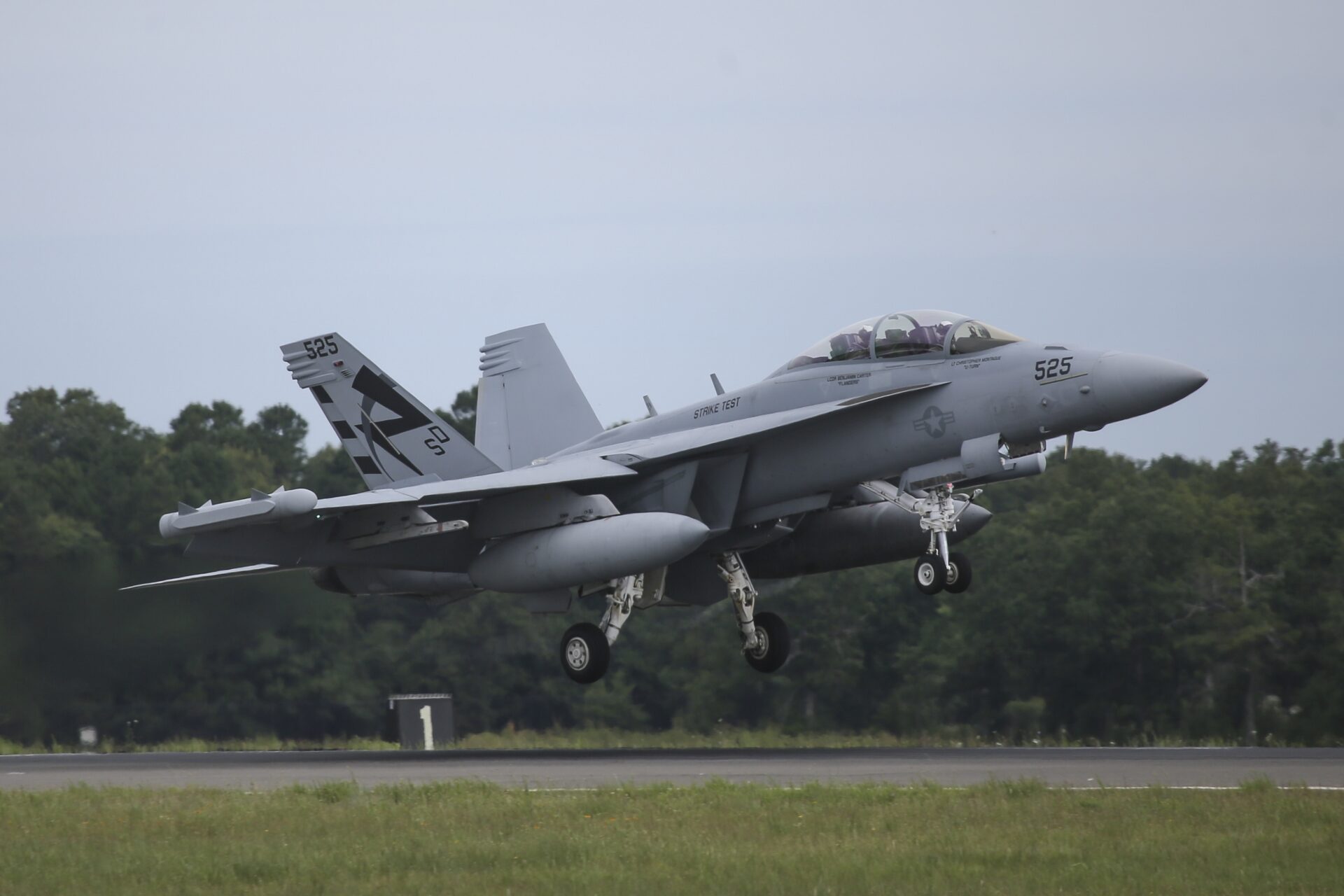
Modern fighters at Gando support Spain’s southwestern air defence posture. The location also matters for NATO’s wider southern and Atlantic security picture.
Replacing Hornets there helps Spain preserve air defence coverage. It also avoids a capability gap as older aircraft near retirement.
Spain will receive the Tranche 4 configuration, which represents the current Eurofighter Typhoon production standard. The aircraft combines AESA radar with wider mission upgrades.
The new version includes an improved electronic warfare system. It also brings renewed cockpit displays, improved datalink infrastructure and weapon integration capacity.
The Tranche 4 standard supports existing and future weapon systems. That gives Spain room to upgrade missions over the aircraft’s service life.
This point matters for long-term fleet value. Fighter aircraft remain useful only if sensors, weapons and software can evolve.
The Eurofighter Typhoon uses two Eurojet EJ200 engines. With afterburner, each engine can produce about 9 tonnes of thrust.
This power helps the aircraft cruise at supersonic speeds without afterburner. Only a limited number of fighter aircraft can perform that kind of supercruise profile.
High speed gives defenders more reaction time. It also helps aircraft reach interception zones faster during alert missions.
For Spain, this matters at Gando and beyond. Air defence over wide maritime spaces depends on speed, endurance and reliable detection.
Spain currently operates about 68 Eurofighter Typhoon aircraft from earlier production blocks. The 45 new Halcon I and Halcon II aircraft will expand the fleet significantly.
After these deliveries, Spain’s Eurofighter Typhoon fleet is expected to exceed 110 aircraft. This will make the type even more central to Spanish airpower.
The Getafe facility plays a key part in this plan. Spanish Eurofighters move through assembly, testing and delivery work there.
The programme therefore supports both military readiness and industrial continuity. It keeps advanced combat aircraft work active inside Spain’s aerospace sector.
Spain’s Halcon programme gives the Spanish Air Force a cleaner path away from ageing Hornets. The first aircraft rollout shows that the plan is moving from contract stage into aircraft preparation.
The upgrade also matters because Tranche 4 is not only a replacement aircraft. It brings new radar, modern cockpit features, improved electronic warfare systems and wider weapon use.
For NATO, stronger Spanish airpower helps cover the alliance’s southern and Atlantic approaches. The Canary Islands role gives the programme a clear strategic purpose.
The main issue to watch is delivery tempo. If the first three aircraft join the fleet this year, Spain can begin the transition with greater confidence.
For wider combat aviation coverage, read our Air Systems coverage on DMX Defence.
The next step is the aircraft’s first engine run and maiden flight. These stages will move the first Halcon I jet closer to delivery.
Spain will then focus on bringing the first three aircraft into the fleet during 2026. Training, maintenance planning and base integration will shape the practical value of the rollout.
The broader programme will continue through Halcon I and Halcon II. Together, both orders will define Spain’s Eurofighter force structure for the coming decades.