 11
11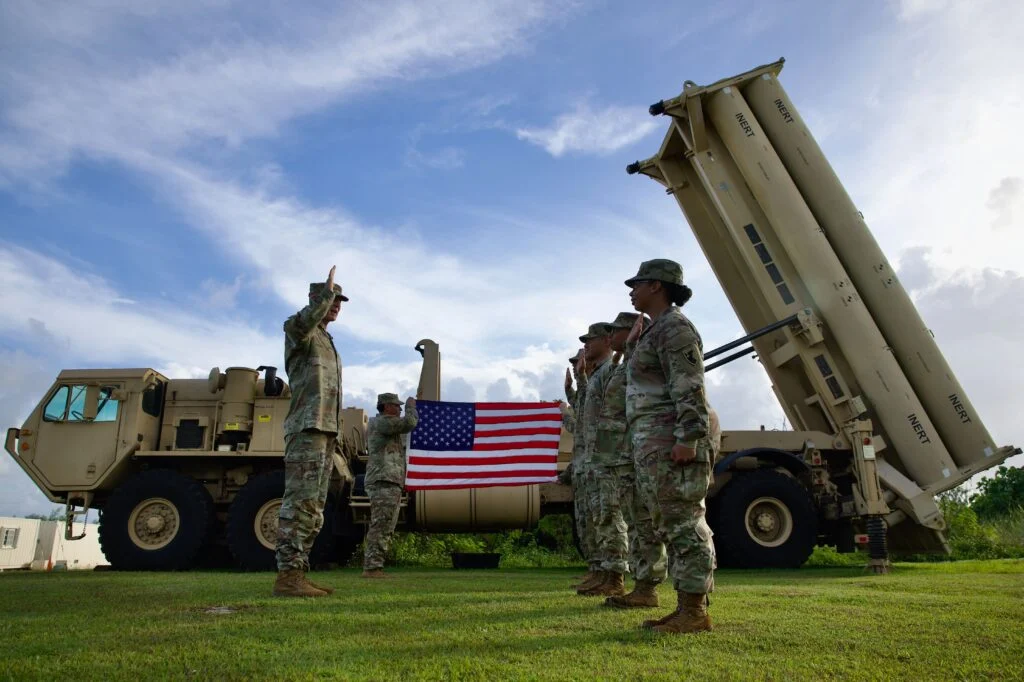
Lockheed Martin announced a major production expansion for THAAD interceptors on 22 May 2026.
The company aims to strengthen missile production capacity as demand for advanced air defence systems continues to rise worldwide.
According to reports by Army Recognition, the new 8,000-square-metre “Building 47” facility will expand THAAD interceptor production and support growing ammunition requirements.
Pentagon Prioritises Stockpile Expansion
The expansion forms part of Lockheed Martin’s broader investment programme exceeding $9 billion.
The initiative focuses on reinforcing US missile and ammunition manufacturing capacity during a period of accelerating global rearmament.
Recent conflicts exposed the growing effectiveness of long-range ballistic missiles, loitering munitions and swarm drone attacks.
Defence planners now face mounting pressure to replenish interceptor stockpiles and modernise layered air defence networks.
Gulf States Continue Air Defence Modernisation
THAAD missile production is becoming a strategic priority for the United States and its allies.
Rising instability across the Middle East pushed THAAD into one of the world’s most sought-after strategic air defence systems.
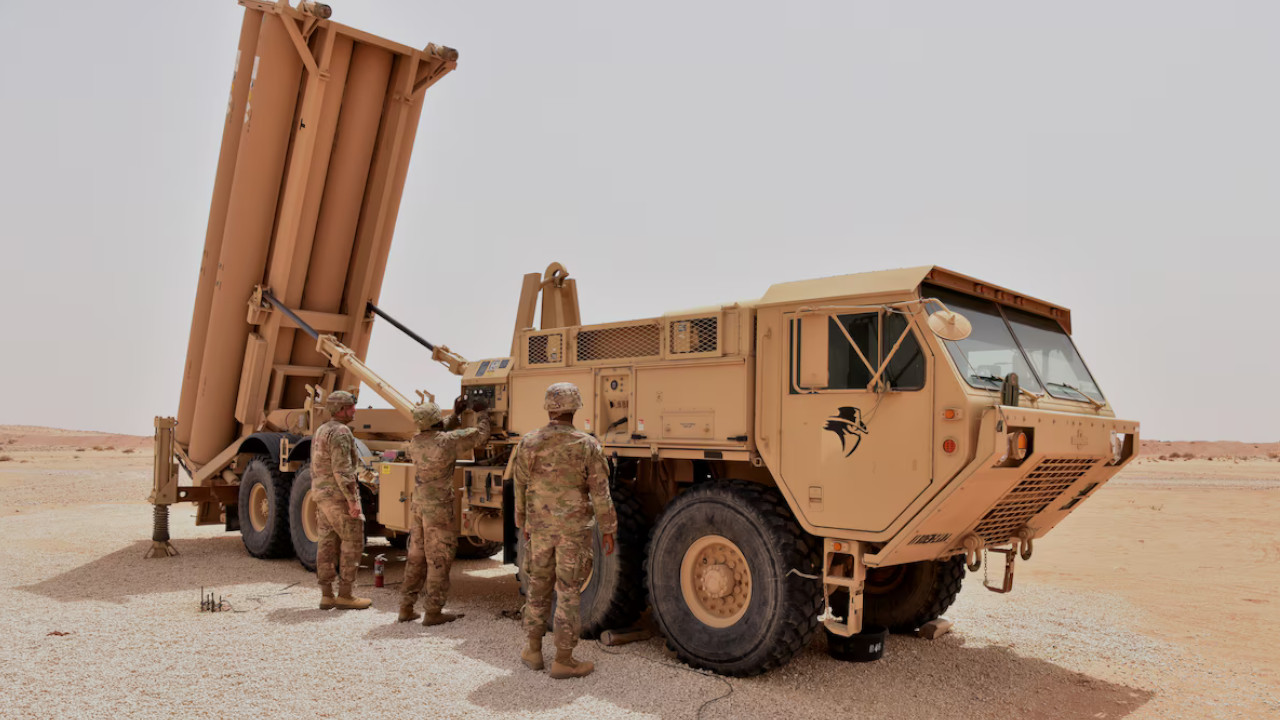
The United Arab Emirates became the first foreign operator after acquiring the system to counter Iranian ballistic missile threats.
Saudi Arabia also signed major procurement agreements for THAAD batteries as part of its national air defence modernisation programme.
Several allied nations across Europe and the Indo-Pacific now closely monitor similar high-altitude missile defence solutions.
NATO and Indo-Pacific Allies Accelerate Procurement
The surge in THAAD demand reflects a wider transformation across the global defence sector.
Air defence systems now rank among the highest procurement priorities for NATO members, Indo-Pacific allies and Middle Eastern partners.
Modern threat environments extend far beyond conventional ballistic missiles. Military planners must now counter hypersonic weapons, low-flying cruise missiles and coordinated UAV swarms.
These evolving threats increasingly challenge existing air defence architectures.
Interceptor Consumption Raises Pentagon Concerns
Recent combat activity in the Middle East again demonstrated the strategic importance of integrated missile defence systems.
US missile defence assets, supported by THAAD-linked sensor networks and interception architectures, played a major role defending bases and allied territories against ballistic missile and drone attacks launched by Iran-backed groups.
The constant use of ballistic missiles and kamikaze drones across the region also intensified Pentagon concerns regarding interceptor consumption rates during prolonged operations.
High-Altitude Interception Capability
Lockheed Martin began developing THAAD in 1992 to counter ballistic missile threats.
The system entered testing in 1995. After six test launches, THAAD achieved its first successful target interception in 1999.
The interceptor offers a maximum range of 200 kilometres and operates at altitudes reaching 150 kilometres.
Engineers designed THAAD to protect air bases and densely populated regions as part of a layered missile defence network.
The system can engage threats both inside and outside the atmosphere.
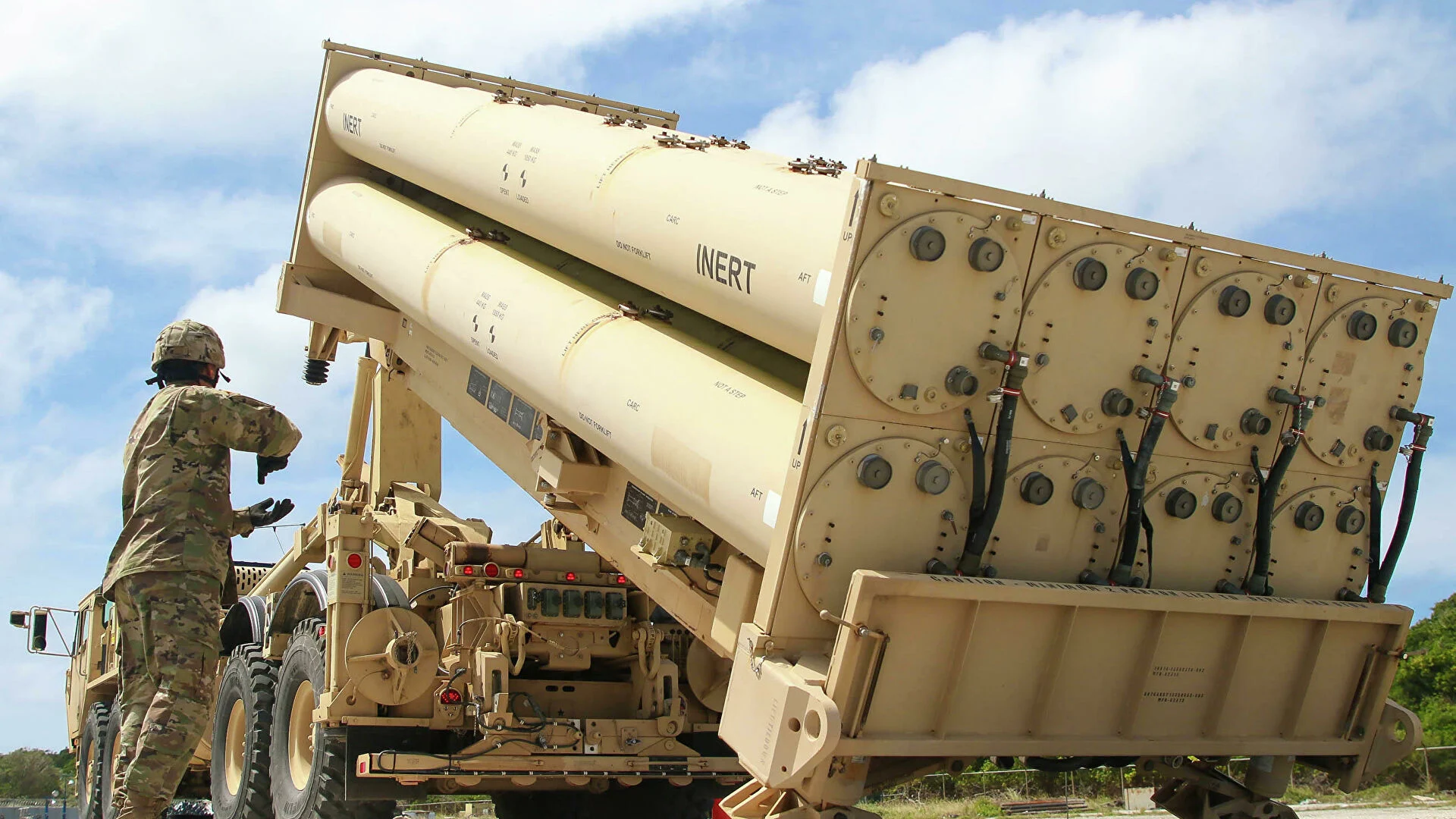
A standard THAAD battery includes nine launch vehicles carrying eight missiles each, two mobile tactical operations centres and one ground-based radar system.
The interceptor missile measures 6.17 metres in length and weighs 900 kilograms. It uses a single-stage solid-fuel motor produced by Pratt & Whitney Rocketdyne.
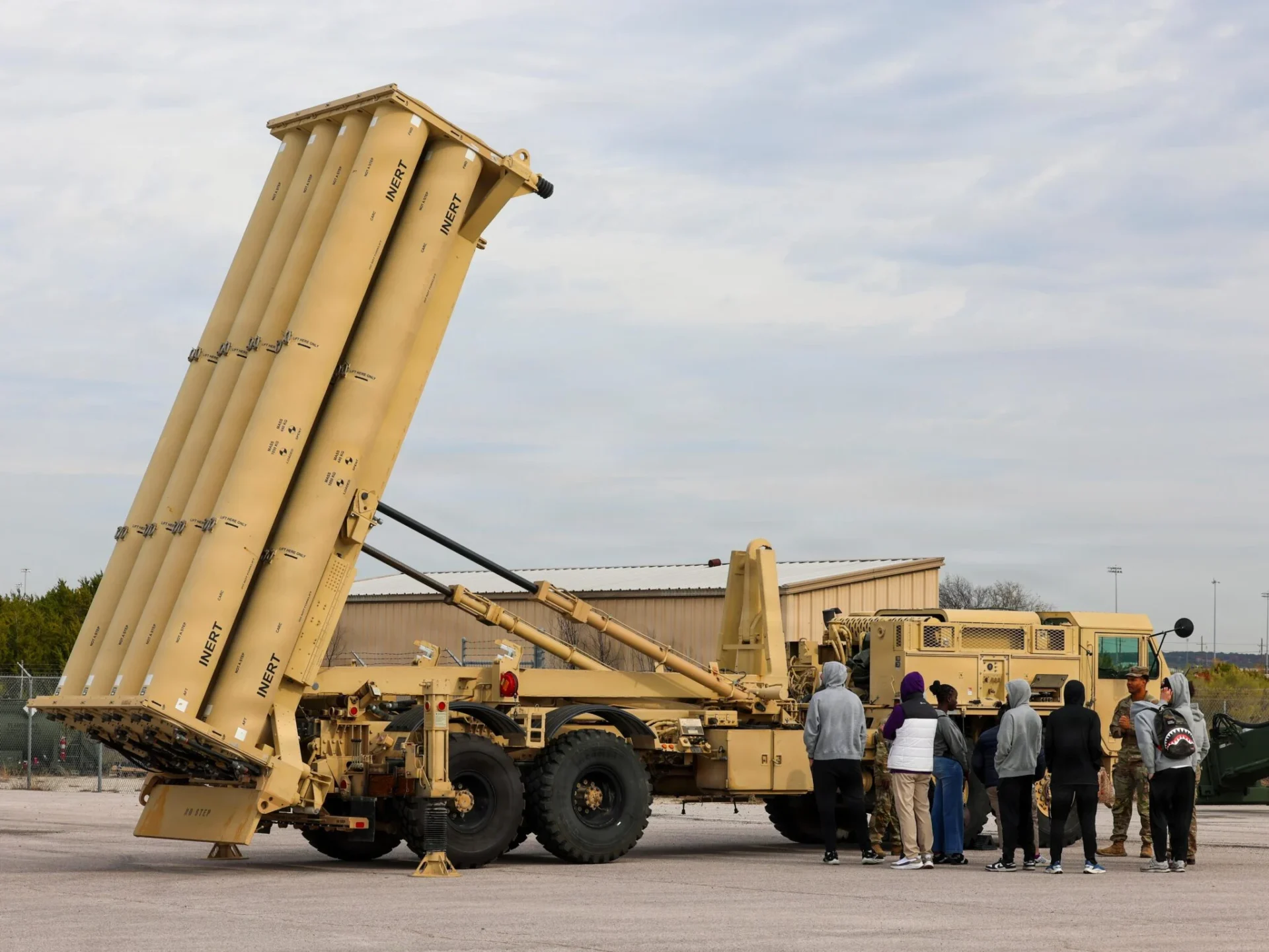
Modern wars increasingly depend on missile saturation tactics and mass drone assaults. Traditional stockpiles struggle to sustain prolonged defensive operations.
Lockheed Martin’s production expansion signals a broader shift toward industrial-scale missile defence readiness.
For Washington and its allies, interceptor production capacity now carries strategic value equal to battlefield technology itself.
Source: DefenceTurk