 11
11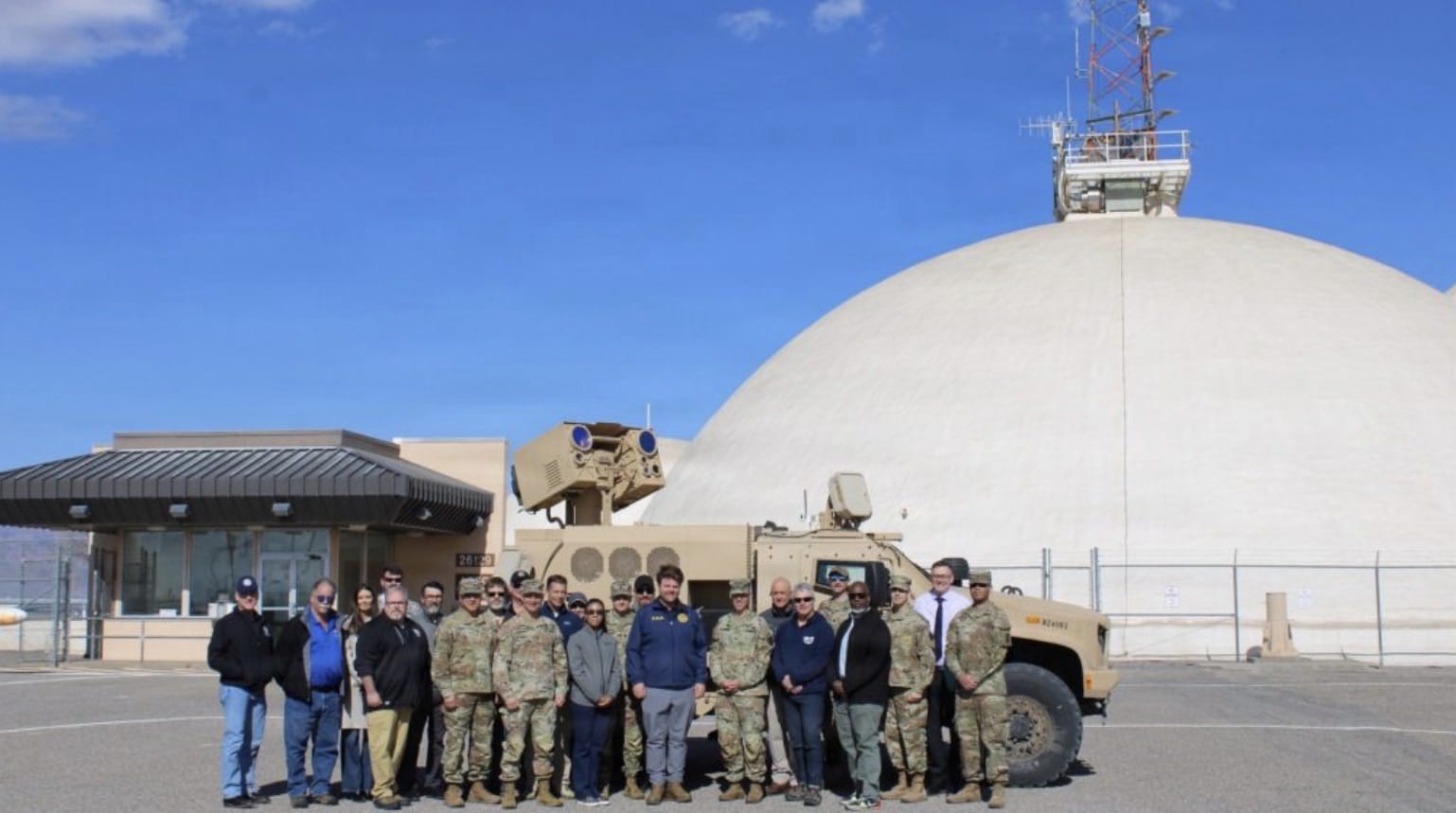
AMP-HEL laser testing in New Mexico shows how the U.S. Army wants cheaper counter-drone firepower.
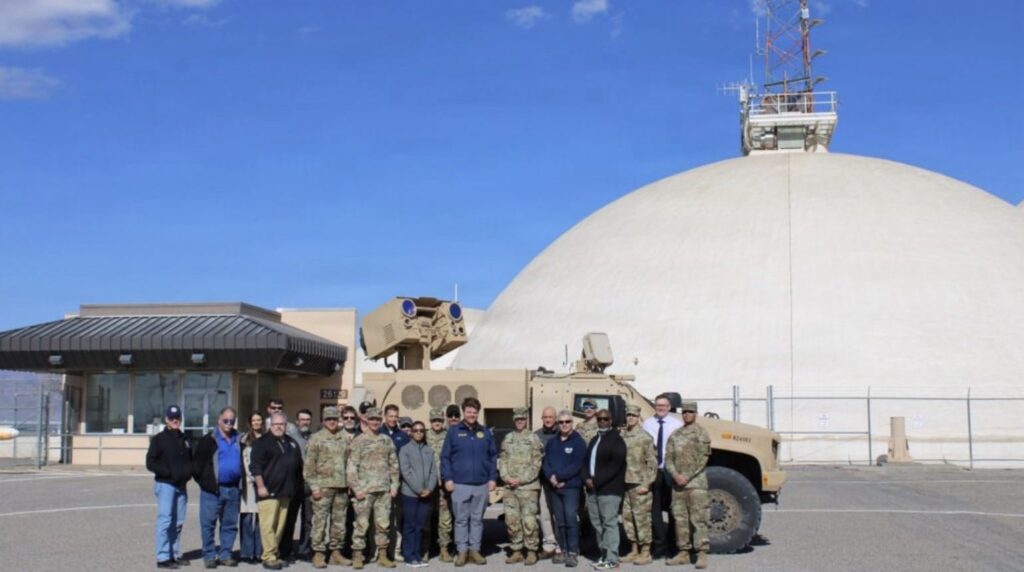
U.S. Army Secretary Dan Driscoll personally tested the AMP-HEL laser system at White Sands Missile Range. The visit took place in New Mexico on May 27.
Driscoll sat at the operator’s position of a laser-armed vehicle. He then checked the weapon against a drone target during the visit.
Driscoll said White Sands allows large-scale UAS and counter-UAS testing. Therefore, the site remains one of the Army’s most important proving grounds.
The test also showed Washington’s growing confidence in directed energy. Moreover, it signalled that laser weapons now sit inside serious defence planning.

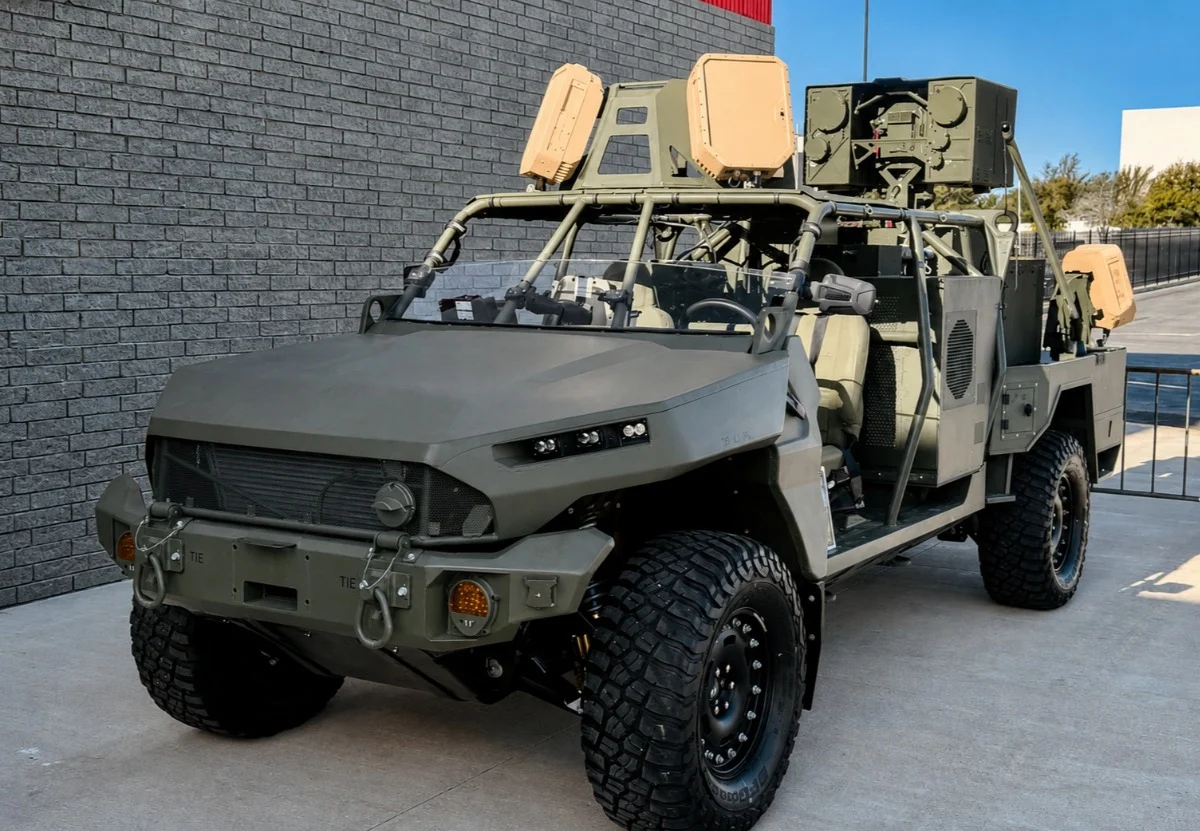
The Army mounted the AMP-HEL laser on a General Motors Defense Infantry Squad Vehicle. This platform gives the laser a fast and mobile host.
The Infantry Squad Vehicle is a 9-seat light tactical vehicle. It is based on the Chevrolet Colorado ZR2 pickup truck.
The Army selected the ISV to carry AeroVironment’s LOCUST laser weapon system. AeroVironment is a California-based company known for small surveillance drones.
LOCUST stands for Laser on Universal Combinable Ultra-light System Technology. The system produces about 20 kilowatts of continuous laser power.
A 20-kilowatt laser can damage small drones through sustained illumination. The laser heats structural materials until the target suffers physical failure.
This process can take seconds when the beam remains on target. As a result, the system offers a hard-kill option against small unmanned threats.
AeroVironment delivered the first two ISV-mounted LOCUST systems in September 2025. The systems went to the Army’s Rapid Capabilities and Critical Technologies Office.
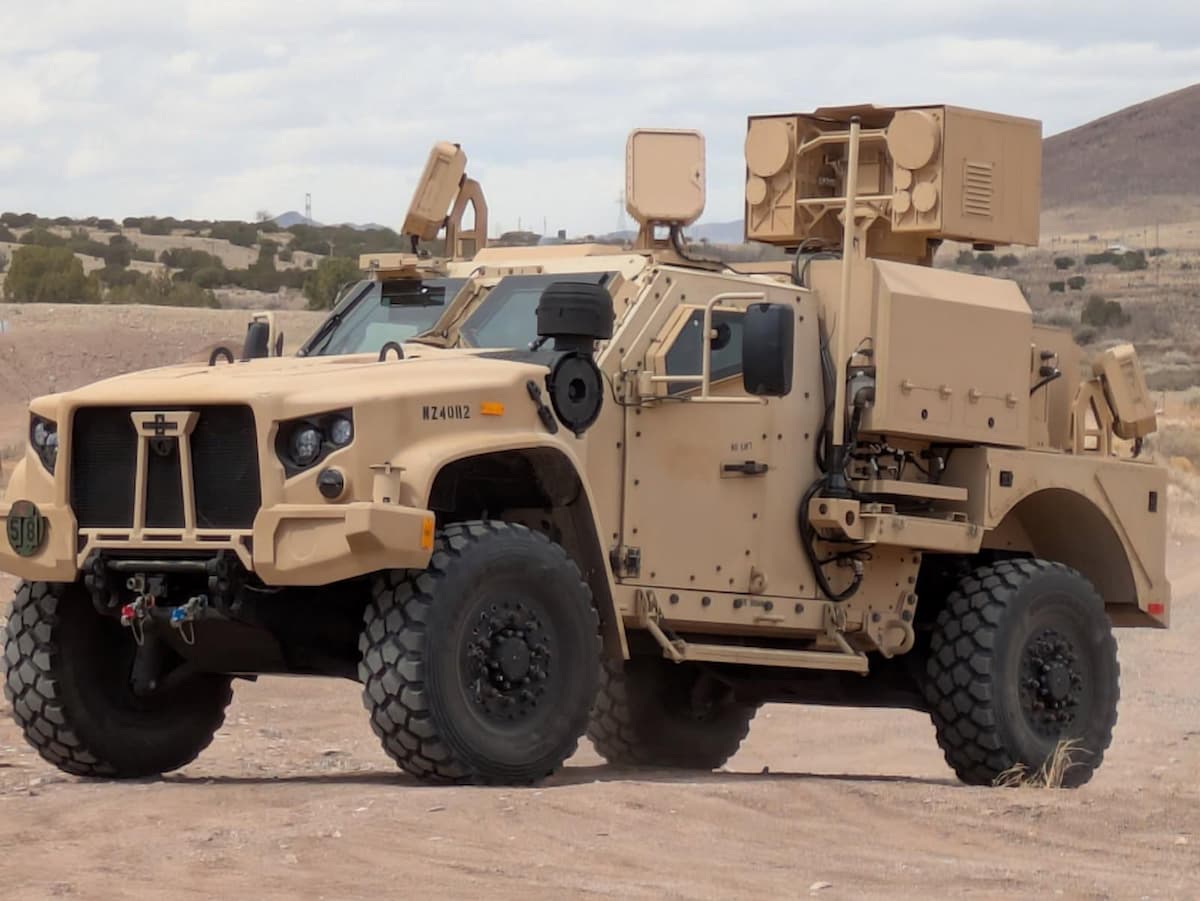
In December 2025, the company delivered two more systems on Oshkosh Joint Light Tactical Vehicles. Those JLTV-mounted systems used a larger beam director aperture.
According to AeroVironment’s official LOCUST delivery announcement, the second increment improved longer-range engagement effectiveness.
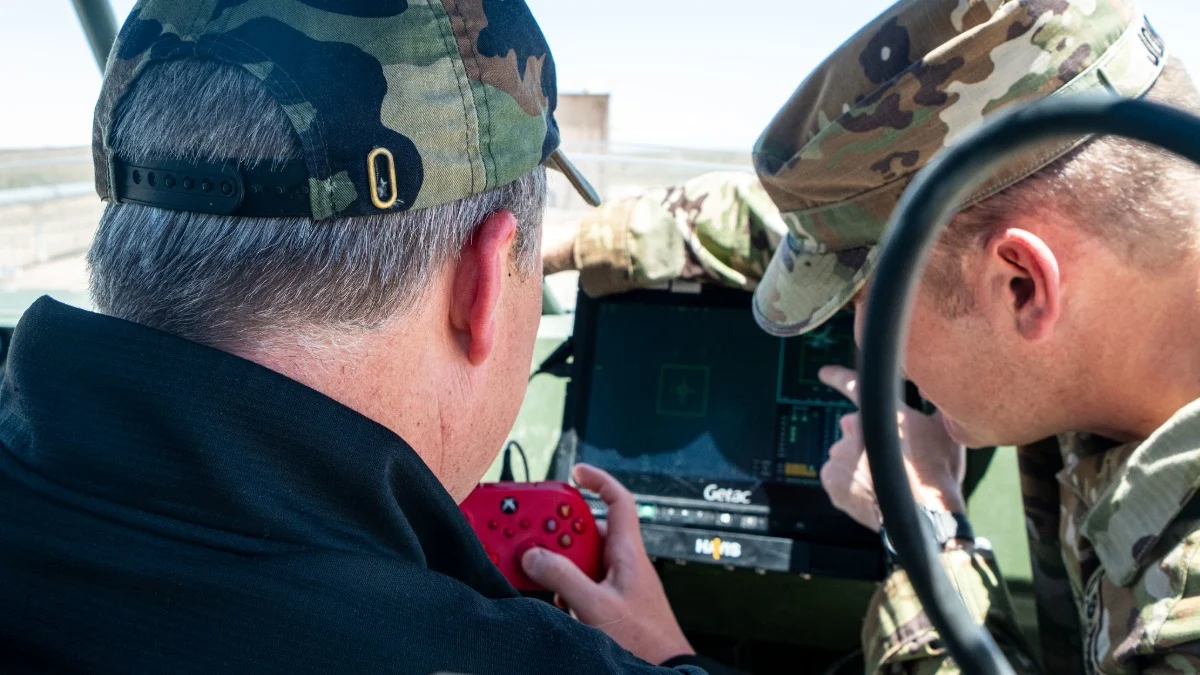
The deliveries form part of the AMP-HEL prototyping effort. The programme aims to put mature directed-energy systems into soldiers’ hands faster.
That faster route matters because drone threats evolve quickly. Therefore, long acquisition timelines can leave units behind the battlefield threat curve.
Mary Clum, Senior Vice President in AeroVironment’s Space and Directed Energy Group, described the milestone as important. She linked AMP-HEL to fieldable directed-energy abilities.
She also said the LOCUST system has been extensively validated. In addition, she said it showed reliability and operational readiness for the C-UAS fight.
The case for laser weapons starts with cost. Short-range air defence missiles can cost between $50,000 and $400,000 per shot.
Shahed-type drones can cost between $20,000 and $50,000. Consequently, expensive interceptors can create an unsustainable cost imbalance.
AeroVironment CEO Wahid Nawabi gave a sharper comparison on 60 Minutes. He said a Patriot battery costs about $1 billion to procure.
He also said each Patriot missile costs around $4 million per shot. By contrast, AeroVironment’s laser fires at about $3 per engagement.
A $30,000 drone can force a $200,000 missile launch. At scale, that exchange becomes a serious budget and stockpile problem.
Laser weapons offer a different cost model. They still need power, maintenance and support, but each shot remains far cheaper.
Missile-based defence depends on stored interceptors. Once those interceptors run low, the defended force becomes vulnerable.
Directed energy changes that equation. If the system has power and cooling, it can keep engaging threats without expending missiles.
The AMP-HEL laser programme sits inside a wider Army directed-energy push. The Army’s Enduring High Energy Laser programme is moving towards formal production decisions.
A production decision is planned for the fourth quarter of fiscal year 2026. The Army has an initial need for 24 systems.
AeroVironment has also unveiled LOCUST X3. The upgraded system targets Shahed-type long-range attack drones.
LOCUST X3 uses a modular open architecture. It can work with several vehicle platforms, including the JLTV and ISV.
Laser weapons still face real operational limits. A laser can only engage one target at a time.
That creates a weakness against swarm tactics. Therefore, commanders cannot treat lasers as a complete counter-drone solution.
Dust, smoke, humidity and rain can reduce laser performance. These conditions can weaken range and reduce the beam’s effect on target.
Russia has also explored reflective coatings and dispersants. These measures aim to reduce the effectiveness of laser weapons.
The Army sees directed energy as one tool in a layered counter-drone system. It does not present AMP-HEL as a complete solution.
This is why laser systems operate beside radars, jammers and kinetic interceptors. They also sit alongside proximity-fuze rocket systems in the Army’s counter-drone pipeline.
Lasers can help defeat cheap drones without wasting costly missiles. However, other systems remain essential against swarms, bad weather and complex attacks.
This layered approach gives commanders more options. It also helps match each threat with the most efficient response.
AMP-HEL laser testing shows how urgently the U.S. Army wants lower-cost drone defence. The battlefield has made small drones too cheap and too common to ignore.
The strongest advantage is economic. A roughly $3 laser engagement can protect missile stocks for harder targets.
Mobility also matters. Mounting LOCUST on ISV and JLTV platforms helps move directed energy closer to manoeuvre forces.
However, lasers will not replace all air defence systems. Weather, swarms and countermeasures still limit their battlefield role.
The real value comes from integration. AMP-HEL can add a low-cost hard-kill layer to radar, jamming and missile-based defence.
If production decisions follow in fiscal year 2026, directed energy could become more routine. The Army would then move closer to fielding lasers as practical combat tools.
(Source: The Defence Blog)