 11
11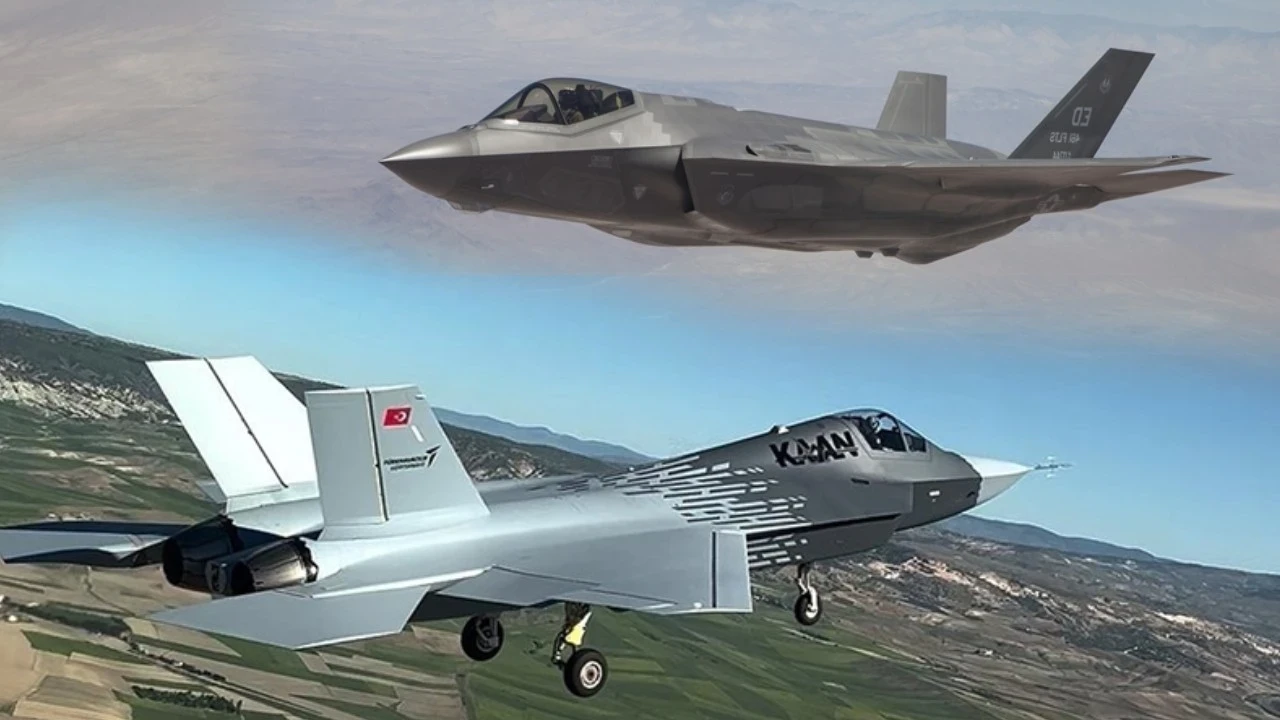
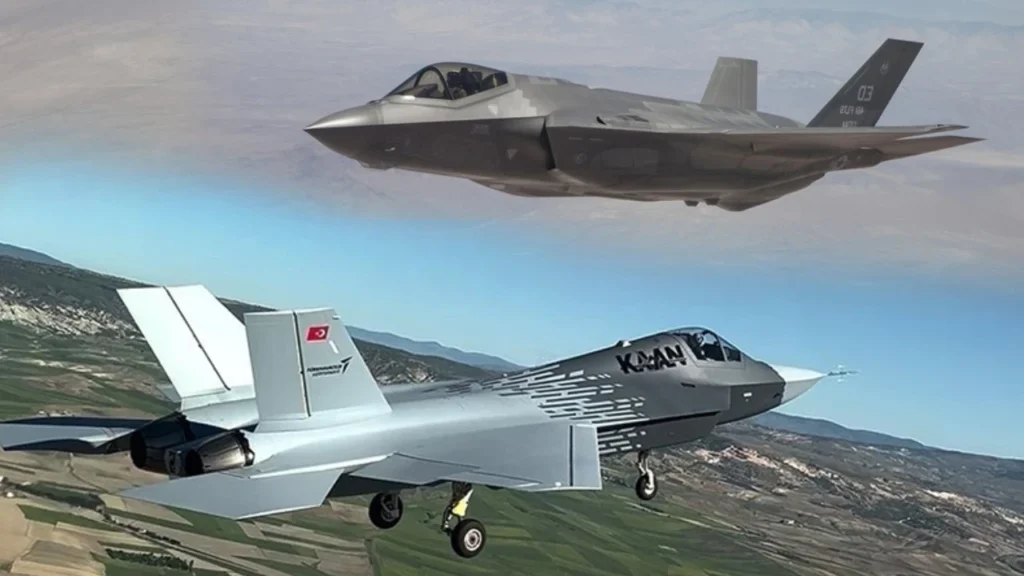
Turkey F-35 programme remains blocked by U.S. law because of Ankara’s Russian-made S-400 air defence system.
U.S. Secretary of State Marco Rubio said the Trump administration cannot currently change Turkey’s F-35 programme status. He cited legal restrictions linked to Ankara’s Russian-made S-400 system.
Rubio made the remarks this week before the House Foreign Affairs Committee. The exchange showed that the issue remains tied to U.S. law, not only executive policy.
Rubio said Turkey had originally been a participant in the F-35 programme. However, Washington removed Ankara after Turkey acquired the S-400 air defence system from Russia.
“The reason why they can’t get them is because they purchased the S-400 system from the Russians,” Rubio said, according to Kathimerini’s report on Rubio’s committee remarks.
The issue came up after U.S. Representative Dina Titus challenged recent comments by Barrack. She argued that those remarks conflicted with current U.S. law and long-standing American policy.
According to the report, Titus asked Rubio directly whether Turkey could receive F-16s or F-35s. Rubio’s response focused mainly on the F-35 programme and the S-400 issue.
Rubio did not frame the matter as a simple policy preference. Instead, he said the administration lacks a current legal path to act alone.
That point matters for Ankara. Even if diplomatic talks improve, U.S. law still limits any rapid return to the F-35 programme.
Titus noted that Turkey still possesses the S-400 system. She also said Turkey remains subject to mandatory sanctions.
Rubio agreed with that point and said the matter is governed by statute. He linked the restrictions to the National Defence Authorisation Act and related legal provisions.
Rubio said the administration does not currently have that choice. He added that the issue is governed by both NDAA provisions and statute.
This leaves little room for a near-term executive decision. Any major change would likely need movement on the legal and congressional side.
Turkey joined the F-35 programme in 2002. Ankara initially became a key partner in the Joint Strike Fighter development effort.
However, tensions rose after Turkey finalised its 2017 agreement to buy the Russian-made S-400 system. The United States then suspended Turkey’s F-35 programme participation in 2019.
Turkey’s removal changed a long defence industrial relationship. Ankara had expected both aircraft delivery and industrial participation.
The dispute also created a wider trust problem. Washington argued that the S-400 created unacceptable risk for the F-35 ecosystem.
Turkey has continued to seek a return to the programme. Ankara also wants compensation for its financial contributions if reinstatement does not happen.
Turkey has repeatedly described the sanctions as unfair. It argues that its NATO membership and regional security role should protect it from such measures.
The source text states that Turkish efforts face strong opposition from Greek and Jewish lobby groups, as well as Israel. This opposition adds another political layer in Washington.
That means the issue is not only technical. It also sits inside U.S. domestic politics, alliance concerns and regional rivalry.
The core U.S. concern remains the same. Washington does not want a Russian air defence system linked to a country seeking access to the F-35.
The F-35 is not only a fighter jet. It is a networked stealth platform with sensitive sensors, mission systems and data links.
The legal block protects a broader defence technology concern. It prevents the administration from treating the issue as a normal arms sale dispute.
For Turkey, that makes the path back more difficult. Ankara must deal with Congress, sanctions law and U.S. security concerns at the same time.
Rubio’s statement matters because it narrows the space for quick political compromise. The Trump administration may want better defence ties with Turkey, but the F-35 issue remains bound by U.S. law.
For NATO, the dispute keeps a major alliance problem alive. Turkey is a key member, yet its Russian S-400 purchase still blocks access to the alliance’s most advanced fighter programme.
For Ankara, the message is clear. Diplomatic optimism alone will not restore F-35 access while the S-400 question remains unresolved.
For Washington, the case also sends a signal to other partners. Major Russian defence purchases can carry long-term consequences for access to U.S. systems.
The practical result is continued uncertainty. Turkey must keep balancing its demand for F-35 reinstatement, its existing S-400 position and its wider airpower planning.
For wider combat aircraft coverage, read our Air Systems coverage on DMX Defence.