 11
11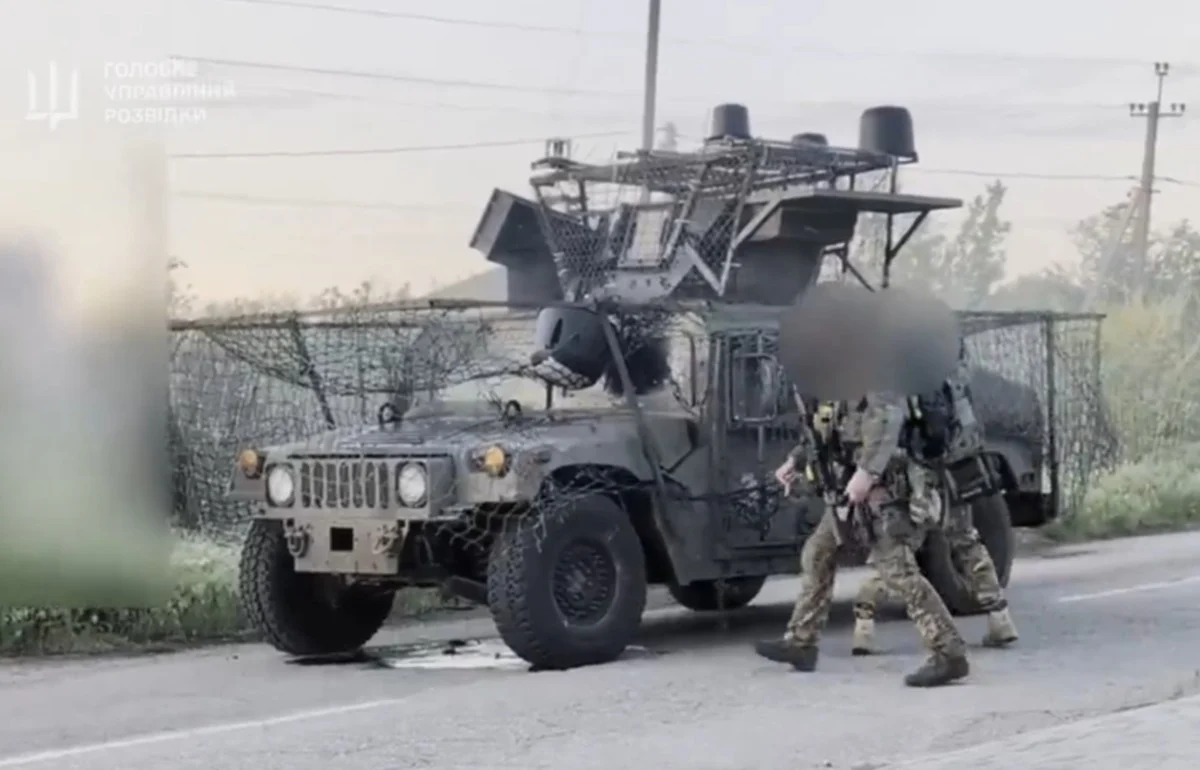
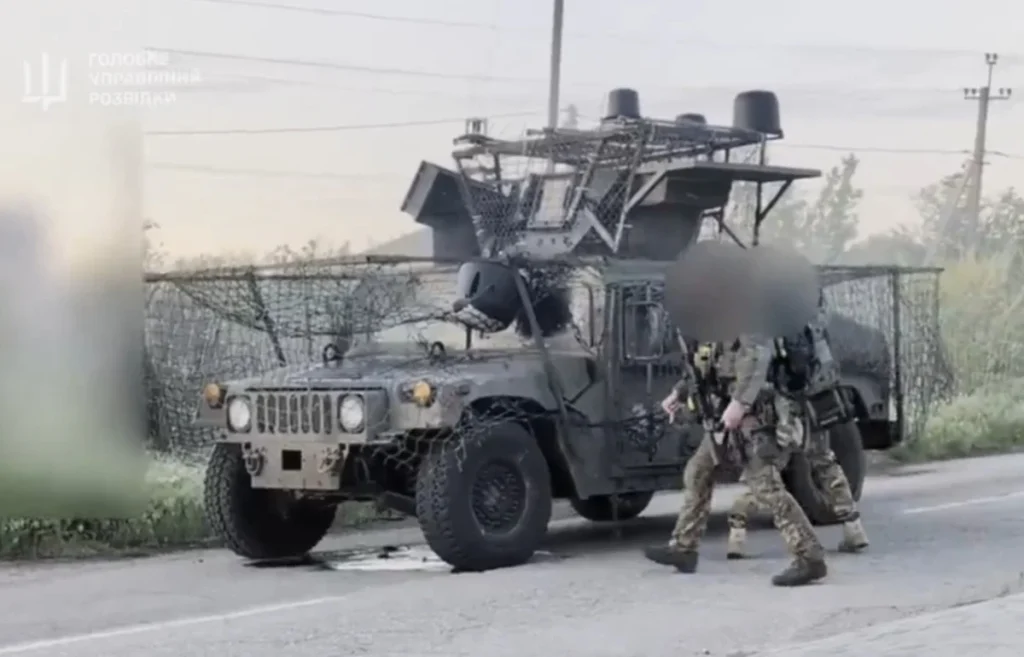
A Ukrainian Humvee survived a direct FPV drone strike on its armoured windscreen during a mission in the Zaporizhzhia sector, according to footage released by Ukraine’s Defence Intelligence.
Ukraine’s Defence Intelligence directorate, known as GUR, published frontline video showing a Russian first-person view drone hitting the windscreen of a Ukrainian military Humvee.
The incident reportedly took place during a rotation mission by fighters from the Bratstvo unit. The unit operates as part of Special Unit Tymur under GUR command in the Zaporizhzhia region.
The strike was detailed in source report, which said the vehicle’s armoured glass held and the crew survived.
The video was released under the title “Humvee Windshield Survives Enemy FPV Strike”. The source did not specify the exact date of the battlefield incident.
The key point is not only that the vehicle was hit. It is that the crew remained protected after a direct impact on one of the most vulnerable visible parts of the vehicle.
Armoured windscreens are designed to absorb impact energy and reduce the risk of glass fragments entering the cabin. In this case, the protection appears to have prevented immediate crew loss after the drone struck the front of the vehicle.
However, the incident should not be read as proof that a Humvee can consistently withstand FPV drone attacks. FPV drones carry different warheads, strike from different angles and can cause very different effects depending on impact point, payload and vehicle configuration.
The Humvee, formally the High Mobility Multipurpose Wheeled Vehicle, remains one of the most recognisable Western-supplied utility vehicles in Ukrainian service.
Originally designed in the United States, the HMMWV has served with the US military since the 1980s. Since Russia’s full-scale invasion began in February 2022, large numbers have been transferred to Ukraine.
According to the report, Ukraine now operates an estimated 6,000 Humvees across its armed forces. That is a major increase from roughly 100 vehicles in service at the start of the full-scale war.
For Ukrainian units, the Humvee’s value lies in more than armour. It offers protected mobility, simple maintenance and a wide supply base for spare parts. Those qualities matter on damaged roads, under artillery threat and in sectors where drone attacks can appear with little warning.
For wider coverage of protected mobility and battlefield technology, see DMX Defence’s related defence analysis.
FPV drones have become one of the defining weapons of the war in Ukraine. They are usually guided through a live video feed, allowing operators to steer the drone into a specific target.
Many are adapted from small commercial drones and fitted with explosive charges. Their low cost and high availability make them a serious threat to vehicles, supply routes, infantry positions and troop rotations.
This creates a difficult problem for ground forces. Even vehicles designed for mobility and small-arms protection now move under constant risk from drones approaching at low altitude.
As a result, armies are placing greater emphasis on electronic warfare, route planning, overhead cover, camouflage, add-on armour and rapid vehicle recovery. The Humvee incident shows why protected mobility still has value, but it also shows why no single layer of protection is enough.
The Zaporizhzhia incident highlights two important lessons for modern land warfare.
First, troop rotation is now a high-risk battlefield task. Moving personnel to and from front-line positions can expose vehicles to FPV drones, artillery and observation drones. Protected vehicles can reduce crew losses, but they must operate as part of a wider protection system.
Second, survivability is not only about heavy armour. Field repair, spare parts, simple mechanics and fleet size also matter. A vehicle that can be repaired quickly and returned to use may have more operational value than a more complex platform that is harder to sustain near the front.
For Ukraine’s partners, the incident reinforces the continued relevance of protected utility vehicles. It also shows that future aid packages may need to combine mobility platforms with counter-drone equipment, electronic warfare systems and replacement armour components.
The Humvee did not defeat the wider FPV drone threat. But in this case, its armoured glass appears to have done what it was designed to do: keep the crew alive long enough for the mission to continue.
Source: Defence Blog