 11
11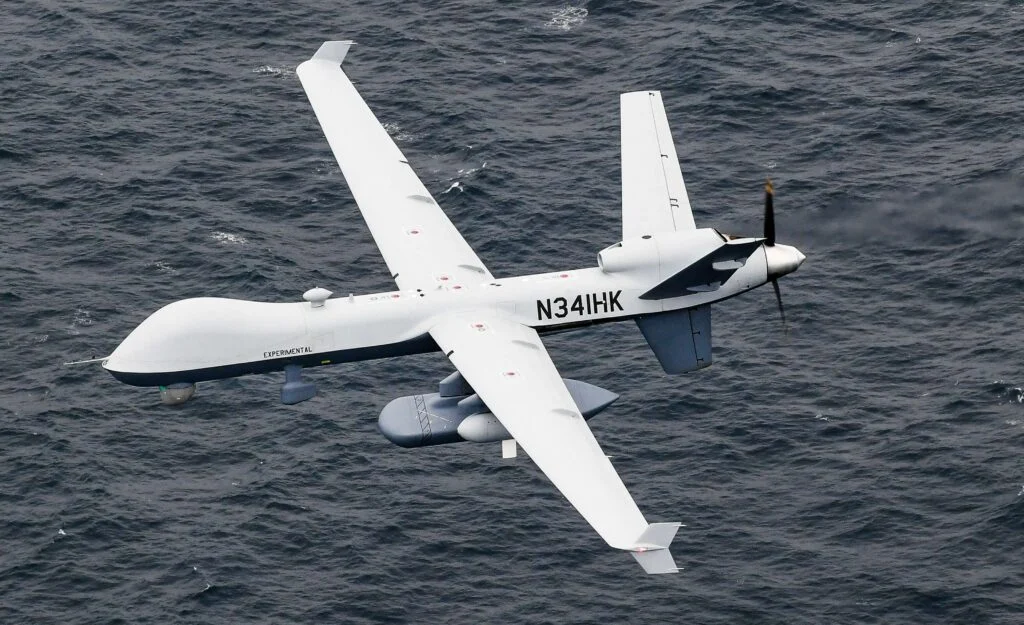
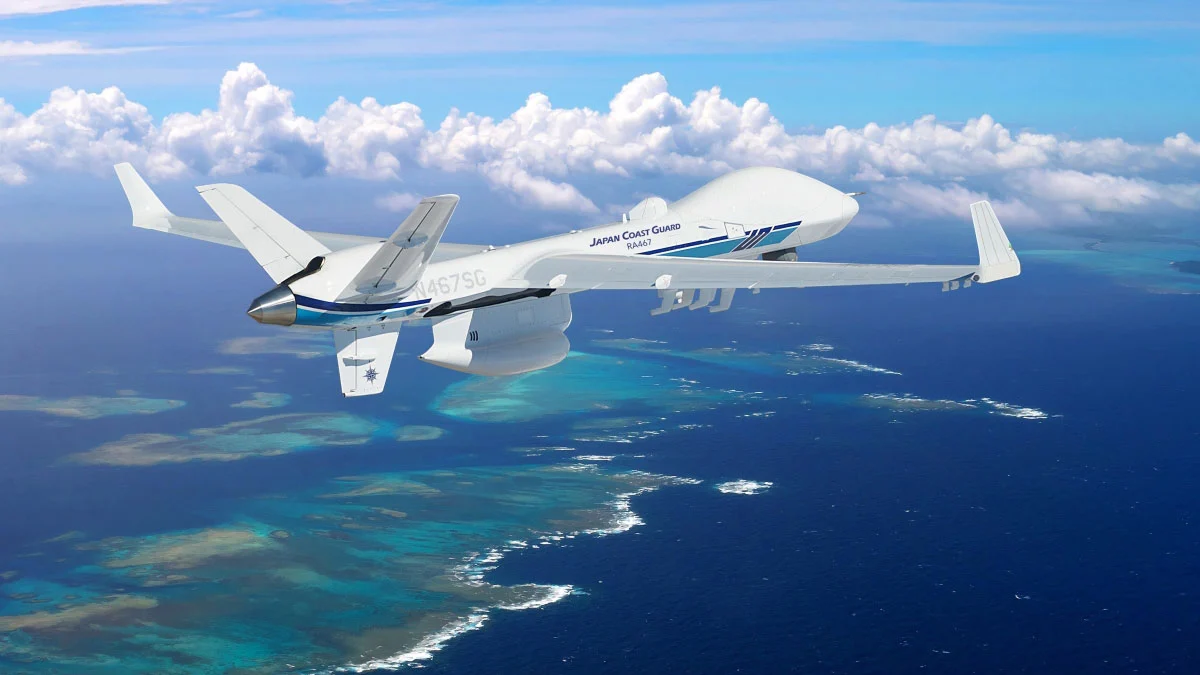
Japan is preparing to deploy unmanned aerial vehicles equipped with airborne early warning radar systems over the Pacific Ocean as part of a major expansion of its surveillance and deterrence posture against China. According to multiple Japanese government sources cited by Yomiuri Online, Tokyo is accelerating efforts to close what defence planners describe as a critical “surveillance blind spot” across the Western Pacific. Defence Blog reports that the MQ-9B SeaGuardian has emerged as the leading candidate for the mission.
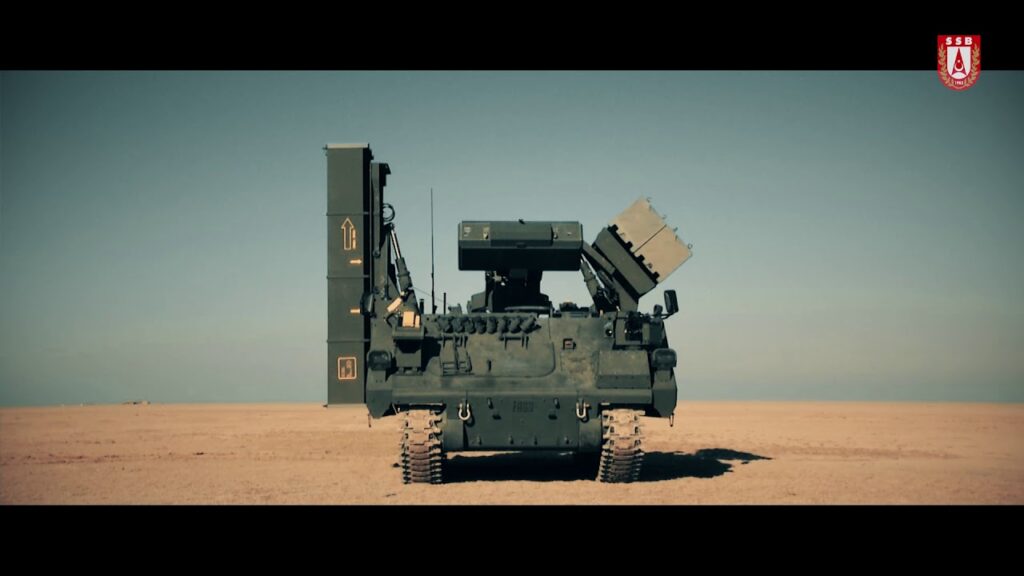
Under the plan reported on 18 May, the Japan Self-Defense Forces (JSDF) intend to integrate UAV-based airborne early warning radar systems into their operational structure while simultaneously deploying mobile vehicle-mounted air defence radar systems to Iwo Jima and Chichijima in the Ogasawara Islands. Yomiuri states that the Japanese government aims to formally incorporate the initiative into revised defence development plans and national security documents expected before the end of the year, elevating the project from preliminary discussion to an official strategic commitment.
According to the report, runway infrastructure on Iwo Jima and Minamitorishima — also known as Marcus Island — would support take-off and landing operations for unmanned early warning platforms. This would allow the aircraft to operate closer to critical surveillance zones rather than relying solely on bases located on Japan’s main islands, significantly improving operational flexibility and persistence across the Pacific theatre.
The strategic logic behind the deployment is closely tied to growing contingency planning surrounding a potential Taiwan crisis. Defence Blog notes that Chinese military strategy, as interpreted by Japanese defence analysts and reflected in Tokyo’s National Defense Strategy, seeks to establish dominance within the Second Island Chain — the strategic line stretching from the Izu Islands to Guam that separates the Philippine Sea from the broader Pacific Ocean.
In any Taiwan conflict scenario, US military forces responding to the crisis would likely need to transit through or operate within this area. China’s anti-access/area denial (A2/AD) capabilities are specifically designed to complicate or prevent such movements. The Ogasawara Islands and Iwo Jima sit directly along this strategic corridor, making them both potential Chinese targets and vital Japanese positions for monitoring Chinese naval and air activity while providing early warning coverage.
MQ-9B SeaGuardian Emerges as Japan’s Preferred Platform
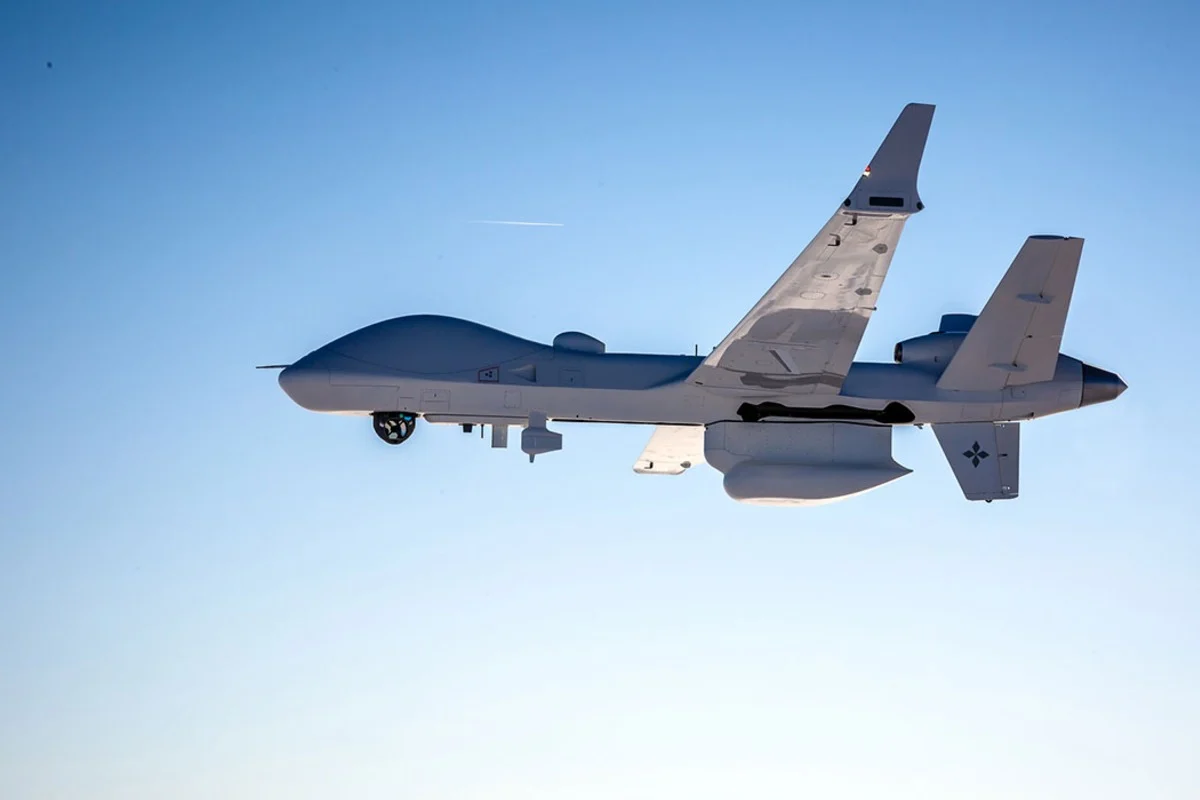
Government sources identify the MQ-9B SeaGuardian, manufactured by General Atomics Aeronautical Systems, as the strongest candidate to carry the early warning radar payload. The platform is already scheduled for procurement by the Japan Maritime Self-Defense Force from fiscal year 2027 onward.
The MQ-9B SeaGuardian is the maritime patrol variant of the MQ-9 Reaper family and has been extensively optimised for naval operations. It features a multi-mode maritime surface search radar, inverse synthetic aperture radar for ship detection, and an automatic identification system receiver designed to enhance maritime domain awareness. The UAV also offers an operational range of approximately 4,900 kilometres combined with long-endurance flight capability, making it highly suitable for persistent Pacific surveillance missions.
At present, Japan’s E-2D Hawkeye aircraft conduct airborne early warning missions within the Maritime Self-Defense Force. However, introducing unmanned platforms is expected to extend surveillance duration, reduce operational strain on crews, and enable missions in threat environments considered too dangerous for manned aircraft.
Japanese defence planners increasingly view unmanned airborne early warning systems as a key component of a more resilient and scalable Pacific-wide surveillance architecture, particularly as regional tensions surrounding Taiwan and Chinese military expansion continue to intensify.
Source:DefenceTurk