 11
11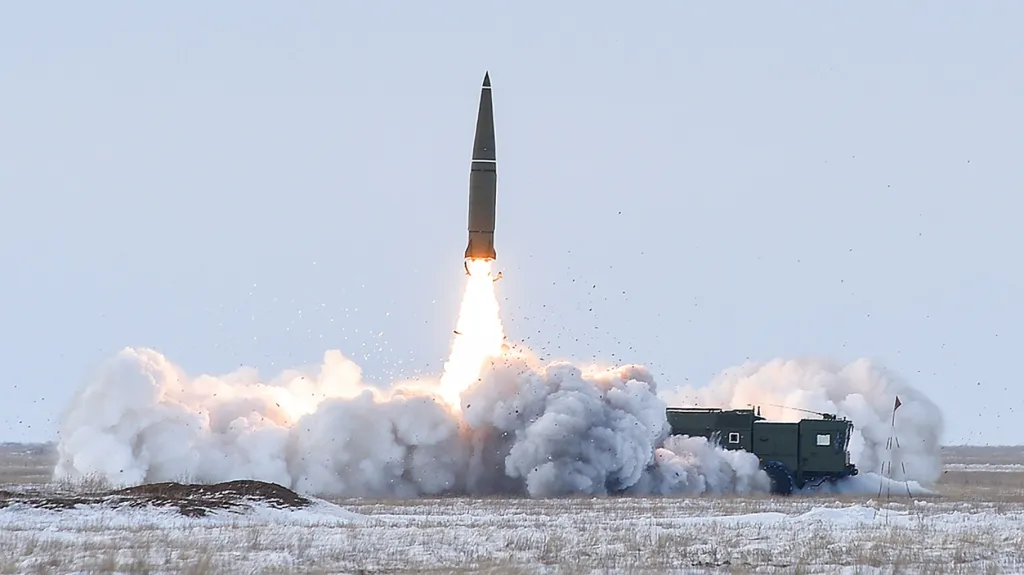
Russia and Belarus have conducted a large-scale joint military exercise involving missile systems and strategic platforms capable of carrying nuclear warheads, underscoring Moscow’s continued emphasis on nuclear deterrence amid escalating tensions with the West.
According to the Russian Ministry of Defence, the exercise was initiated to assess the operational readiness of both strategic and tactical nuclear forces. Running from 19 to 21 May 2026, the drill involves approximately 65,000 personnel alongside 7,800 pieces of military equipment and weapon systems.
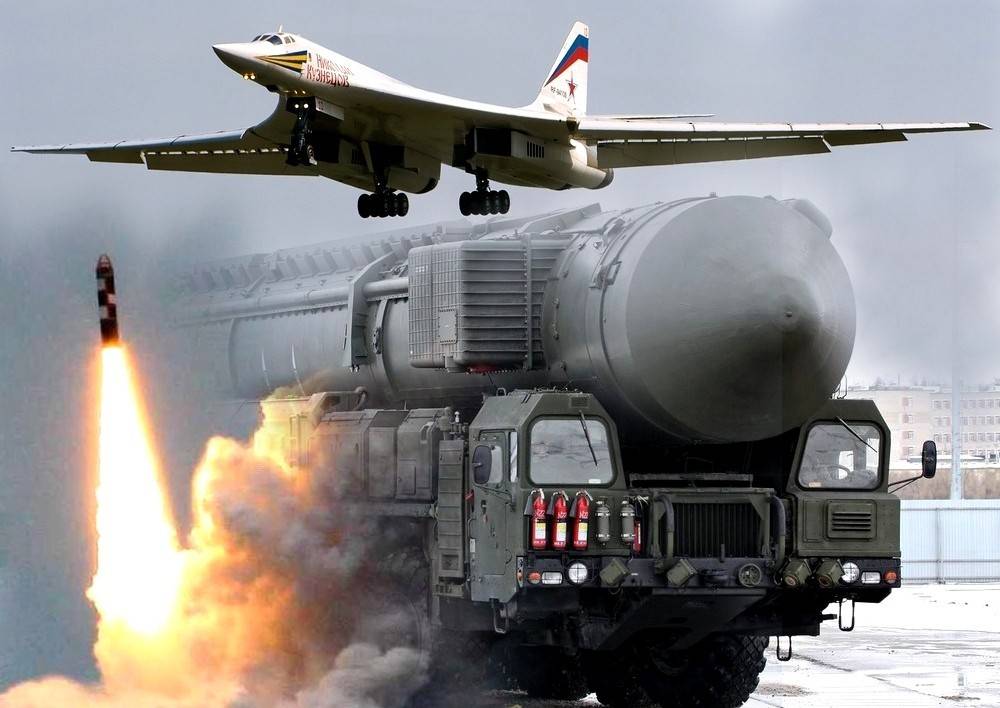
The operation reportedly integrates a broad spectrum of strategic assets, including nuclear-powered submarines, long-range strategic bombers, warships, missile launch systems of varying classes, and multiple naval platforms. Russian state media agency TASS cited officials as saying that the exercise is intended to evaluate the armed forces’ responsiveness to external threats. Operational scenarios are understood to include both ballistic and cruise missile launch simulations.
Military activity has been concentrated primarily within the Leningrad and Central Military Districts, where deployment procedures for mobile missile systems and coordinated retaliatory strike scenarios are being tested. Among the most closely watched elements of the exercise is the active deployment of the nuclear-capable Iskander-M missile system, a platform widely regarded as one of Russia’s key tactical strike assets.
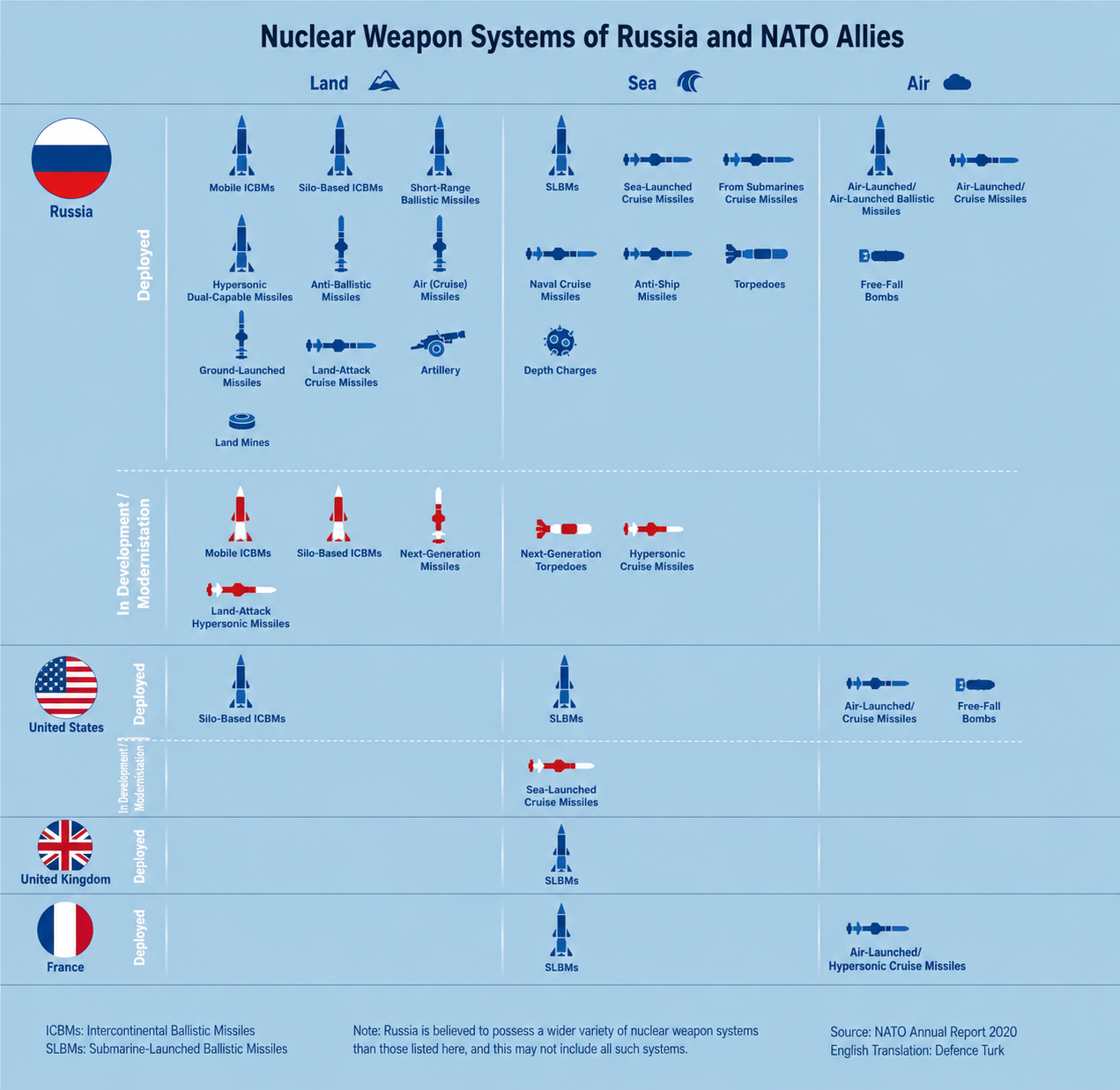
The drills also involve long-range aviation units and nuclear-capable submarine forces, highlighting the integration of land, air, and maritime strategic deterrence components within a unified operational framework.
The timing of the exercise carries additional geopolitical significance following Russia’s deployment of the Oreshnik hypersonic nuclear ballistic missile system to Belarusian territory. Against that backdrop, the joint Russia-Belarus manoeuvres are being interpreted as part of a broader nuclear preparedness initiative between the two states.
In a statement issued by the Belarusian Ministry of Defence, officials explained that the primary objective of the drills is to test the transfer of nuclear weapons to unplanned deployment locations and to verify combat deployment readiness under dynamic operational conditions.
Belarusian missile units and air force assets are reportedly operating in close coordination with Russian forces throughout the exercise. Belarusian authorities stressed that the activities are not directed against any third country and do not pose a threat to regional security.
Training phases are said to focus heavily on long-distance redeployment operations and force deployment calculations. Analysts believe the scenarios are specifically designed to test the rapid dispersal of mobile nuclear-capable assets, covert battlefield manoeuvring, and the ability to launch operations from alternative strike positions while reducing vulnerability to detection.
The exercise comes at a particularly sensitive moment in the regional security environment. Ukraine has recently intensified its unmanned aerial vehicle attacks against Russian territory, while NATO members continue expanding military assistance to Kyiv. The convergence of these developments has drawn significant international attention to the timing and scale of the drills.
Defence analysts widely assess that Moscow intends to use the exercise as a strategic signalling mechanism aimed at the West, demonstrating both the visibility and operational credibility of its nuclear deterrence posture.
Source:DefenceTurk