 11
11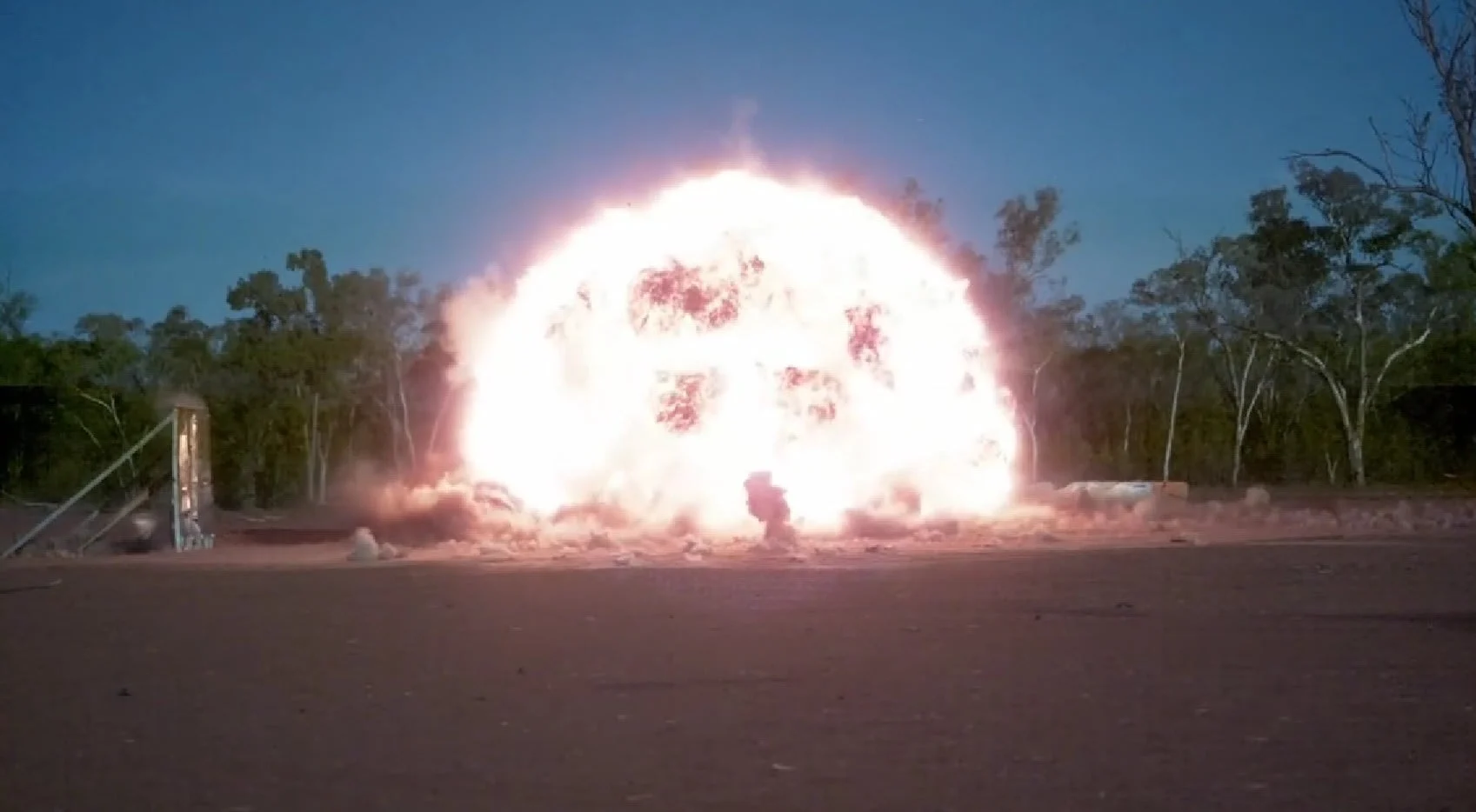
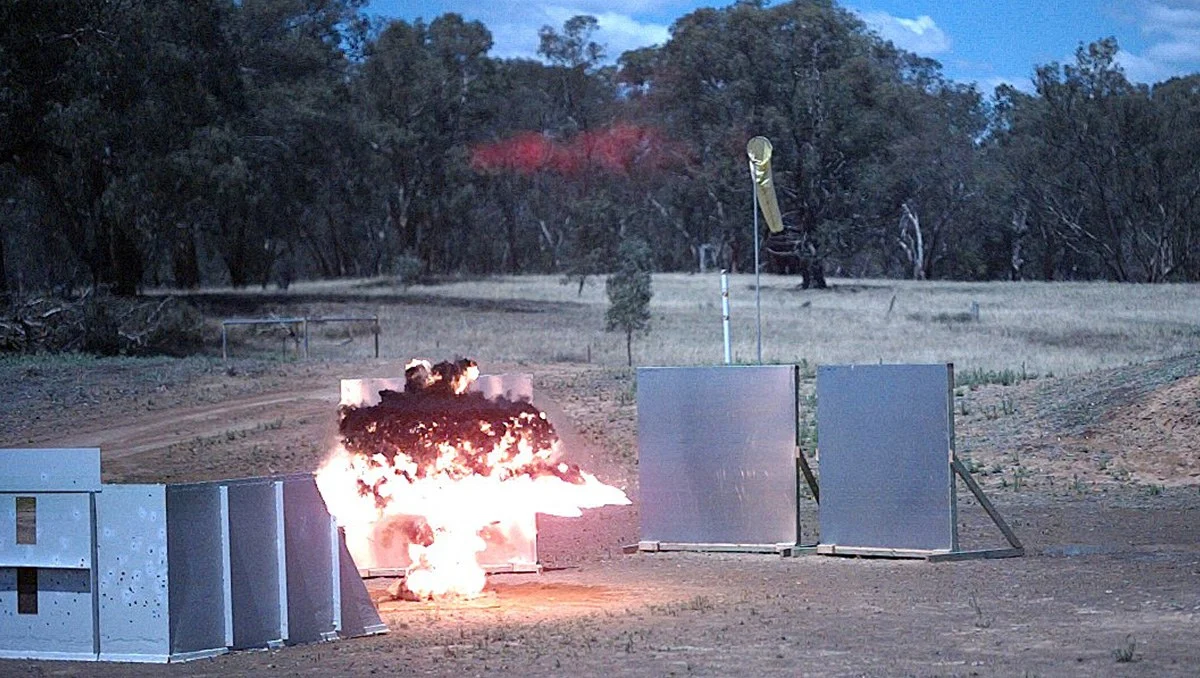
GMLRS warhead testing in Australia has moved local guided weapons production closer to reality.
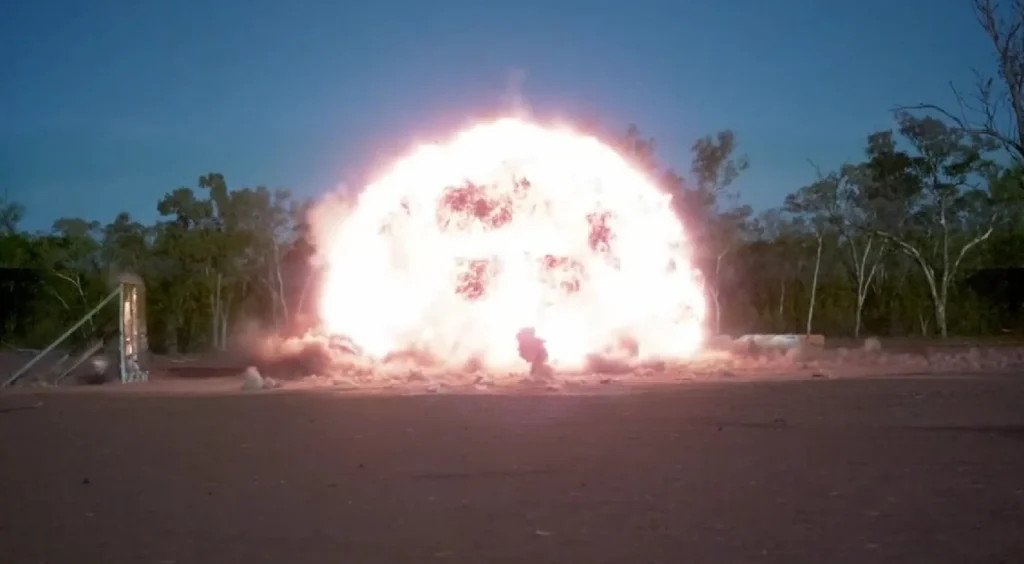
Lockheed Martin, Northrop Grumman and Thales completed a major test in Australia.
The trial focused on a GMLRS-compatible locally produced warhead.
The companies carried out the test near Bourke, New South Wales.
Moreover, they completed the full effort in just 11 weeks.
The GMLRS warhead test supports Australia’s wider Indo-Pacific defence posture.
It also strengthens the country’s local weapons production base.
Therefore, the result matters beyond a single test event.
It shows Australia can move faster on guided munitions.
Lockheed Martin Australia led the wider strategic partnership.
Northrop Grumman Australia and Thales Australia supported the warhead effort.
The partners built a model for local production and testing.
Additionally, they showed how industry can share skills and resources.
Jeremy King praised the result as a clear industry milestone.
He leads Lockheed Martin Australia and Lockheed Martin New Zealand.
He said the test proved Australia’s domestic warhead production path.
More importantly, he linked it to Commonwealth GWEO objectives.
According to Lockheed Martin Australia’s official release, the co-produced warhead was tested near Bourke, NSW, after an 11-week effort.
The 11-week schedule gives the test added strategic value.
It shows that Australia can compress development and test cycles.
That speed matters during crises and supply shocks.
Consequently, local production can support faster operational response.
Long supply chains create risk for guided weapons users.
However, local test capacity can reduce that pressure.
This approach also helps Australia adapt existing facilities.
As a result, industry can move from concept to proof faster.
Lockheed Martin became a Strategic Industry Partner under GWEO.
Australia announced the Guided Weapons and Explosive Ordnance programme in 2021.
The programme aims to grow sovereign guided weapons production.
Furthermore, it supports technology and critical service transfer into Australia.
The partnership aims to build a stronger industrial ecosystem.
It also seeks better cost, equipment and supply sharing.
This matters most during high-demand periods.
Because of this, critical products, components, munitions and raw materials need secure access.
Jeff Connolly underlined Thales Australia’s role in the project.
He leads Thales Australia and New Zealand.
Connolly said Thales handles warhead production at Lockheed Martin’s Australian GMLRS facility.
Moreover, he described the partnership as a strong strategic fit.
The successful test creates a base for future systems.
It also supports more advanced local production over time.
Therefore, the result matters for the next generation of weapons.
Australia can now build confidence before scaling production.
Northrop Grumman Australia also played a central role.
Rob Denney highlighted the project’s wider industrial gains.
He pointed to production experience, planning and manufacturing strength.
Additionally, he stressed close work with Lockheed Martin, Thales and local suppliers.
The partners want scalable and cost-effective guided munitions.
They also want high-strike-power weapons for Australian mission needs.
This goal supports long-range firepower and national resilience.
Meanwhile, it reduces dependence on distant production lines.
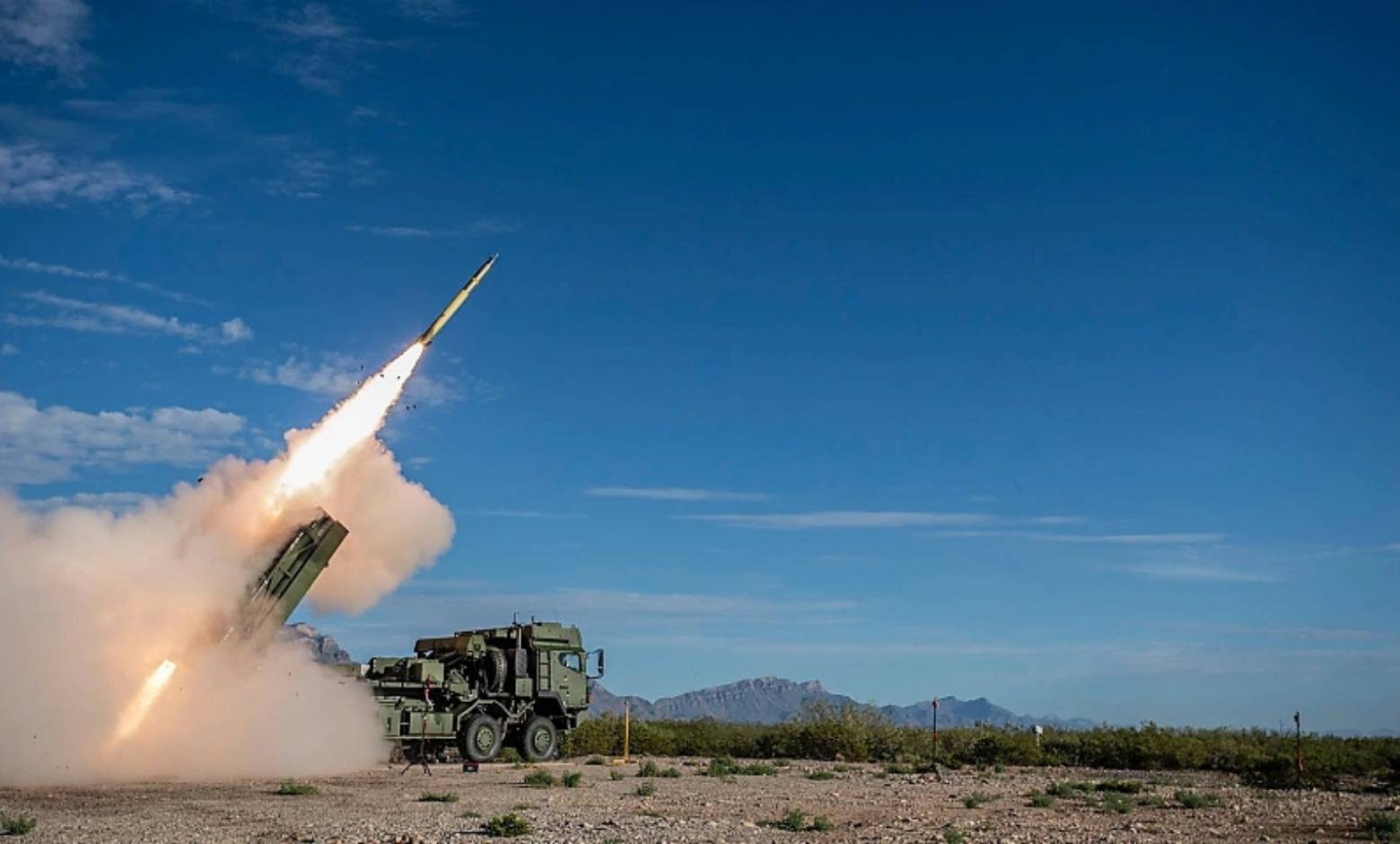
The new warhead was designed for Lockheed Martin’s GMLRS.
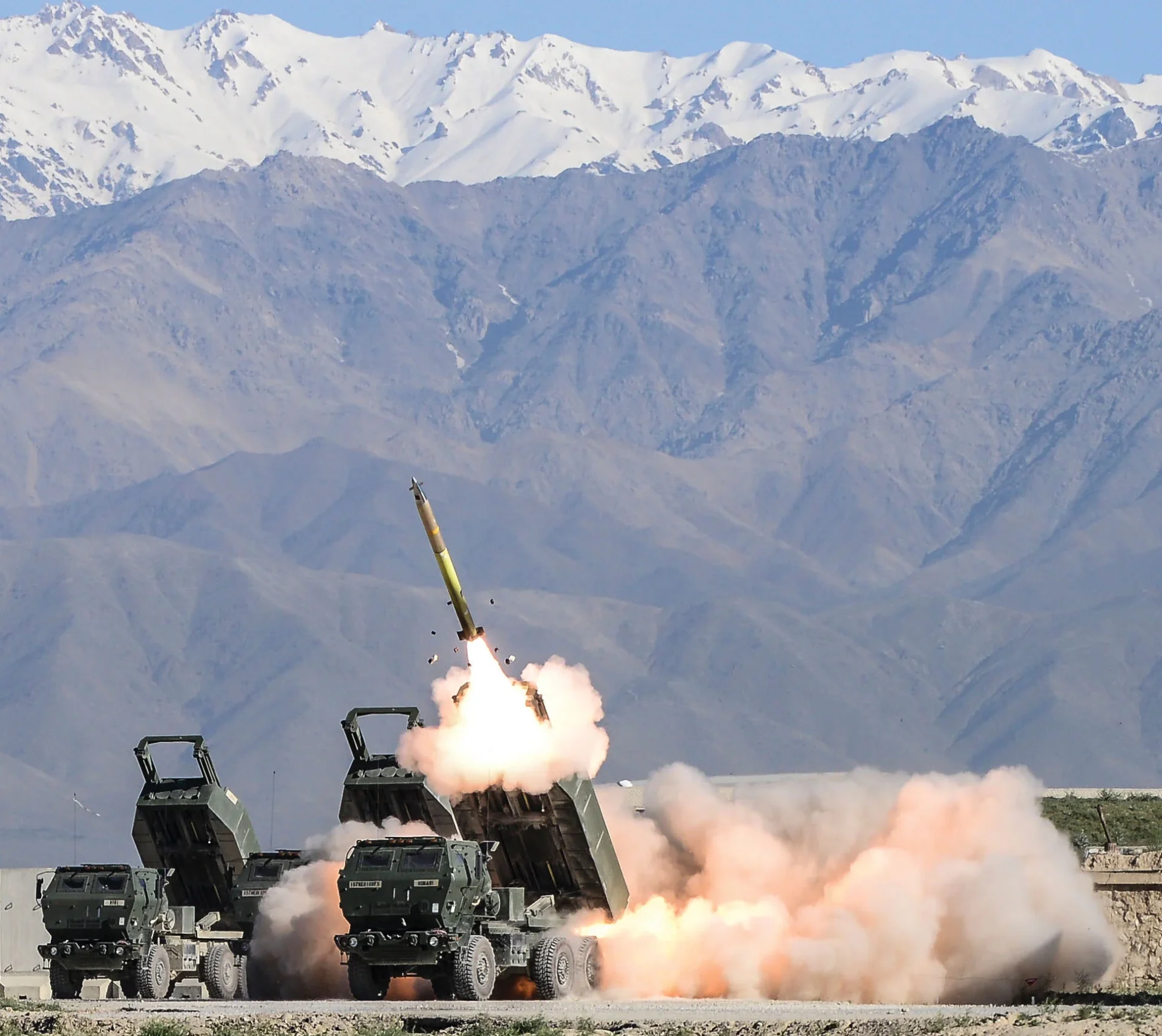
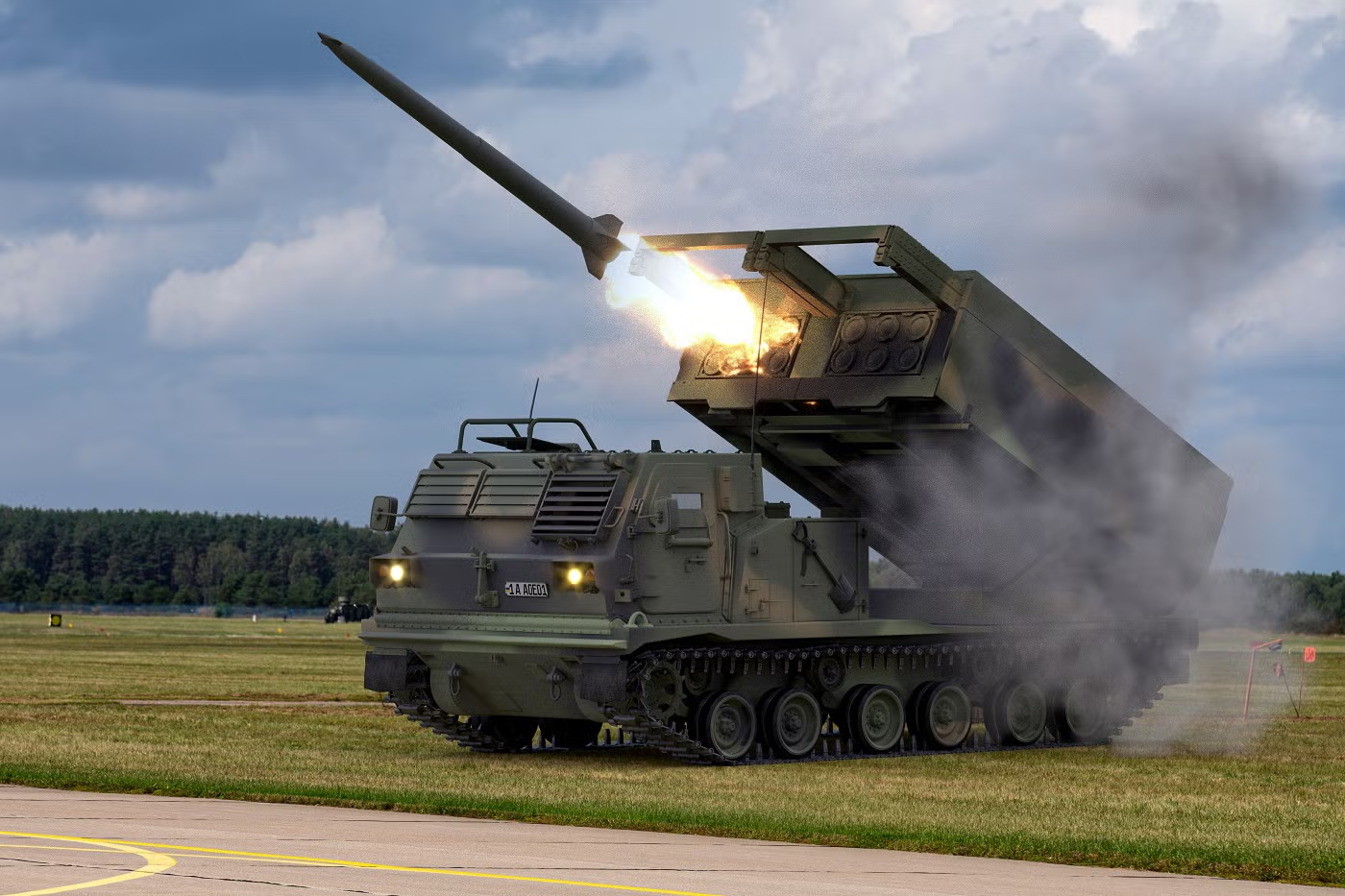
The Australian Army already uses GMLRS with HIMARS launchers.
GMLRS can strike targets beyond 70 kilometres.
Therefore, it gives ground forces precise long-range firepower.
Work also continues on the extended-range version.
ER GMLRS can reach beyond 150 kilometres.
That range would expand Australia’s land strike options.
Moreover, it would support deeper fires across dispersed theatres.
Australian Government incentives supported the production push.
Contractor engineering skill and investment also shaped the outcome.
Together, these factors helped optimise existing facilities.
As a result, those sites can better support local warhead production.
Production infrastructure is now part of deterrence.
It helps armed forces sustain operations during long crises.
For wider context, read our https://dmxdefence.com/category/land-systems/ on emerging guided weapons and long-range fires.
The test supports a larger national defence shift.
Australia wants more sovereign control over critical munitions.
This does not mean isolation from allies.
Instead, it gives Canberra more reliable options inside allied supply chains.
The Indo-Pacific creates distance, logistics and readiness challenges.
Therefore, Australia needs stronger local weapons capacity.
Guided weapons demand will likely remain high.
Consequently, local production can reduce future bottlenecks.
The GMLRS warhead test gives Australia more than a technical result.
It shows a faster path toward sovereign guided weapons production.
The key advantage is resilience.
Australia can reduce pressure on overseas supply during crisis periods.
Moreover, the partnership links global defence firms with local industry.
That mix can speed up skills transfer and production maturity.
More importantly, GMLRS and ER GMLRS support long-range deterrence.
They give Australian forces better reach across the Indo-Pacific.
Therefore, this 11-week test marks a practical step.
It moves Australia closer to scalable, local and high-impact munitions production.