 11
11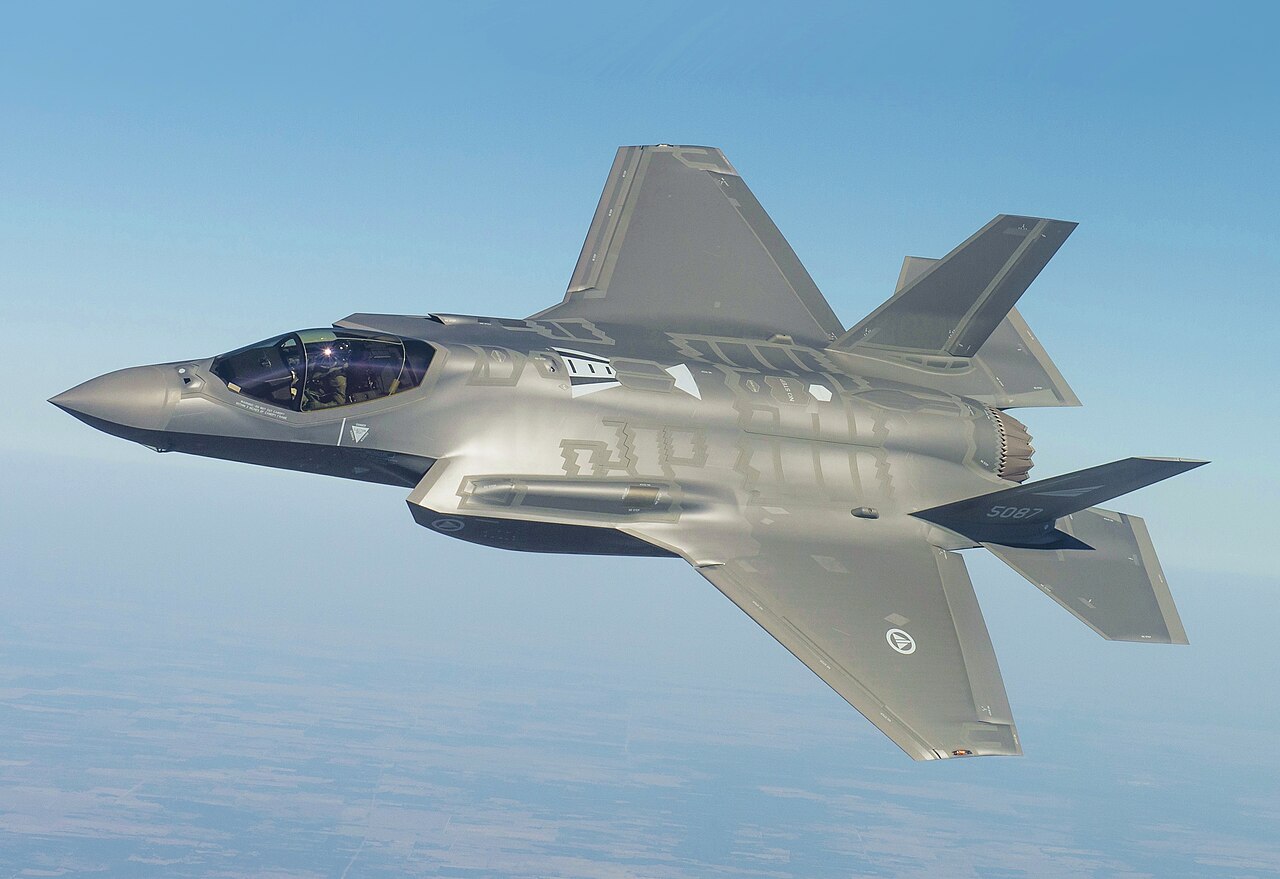
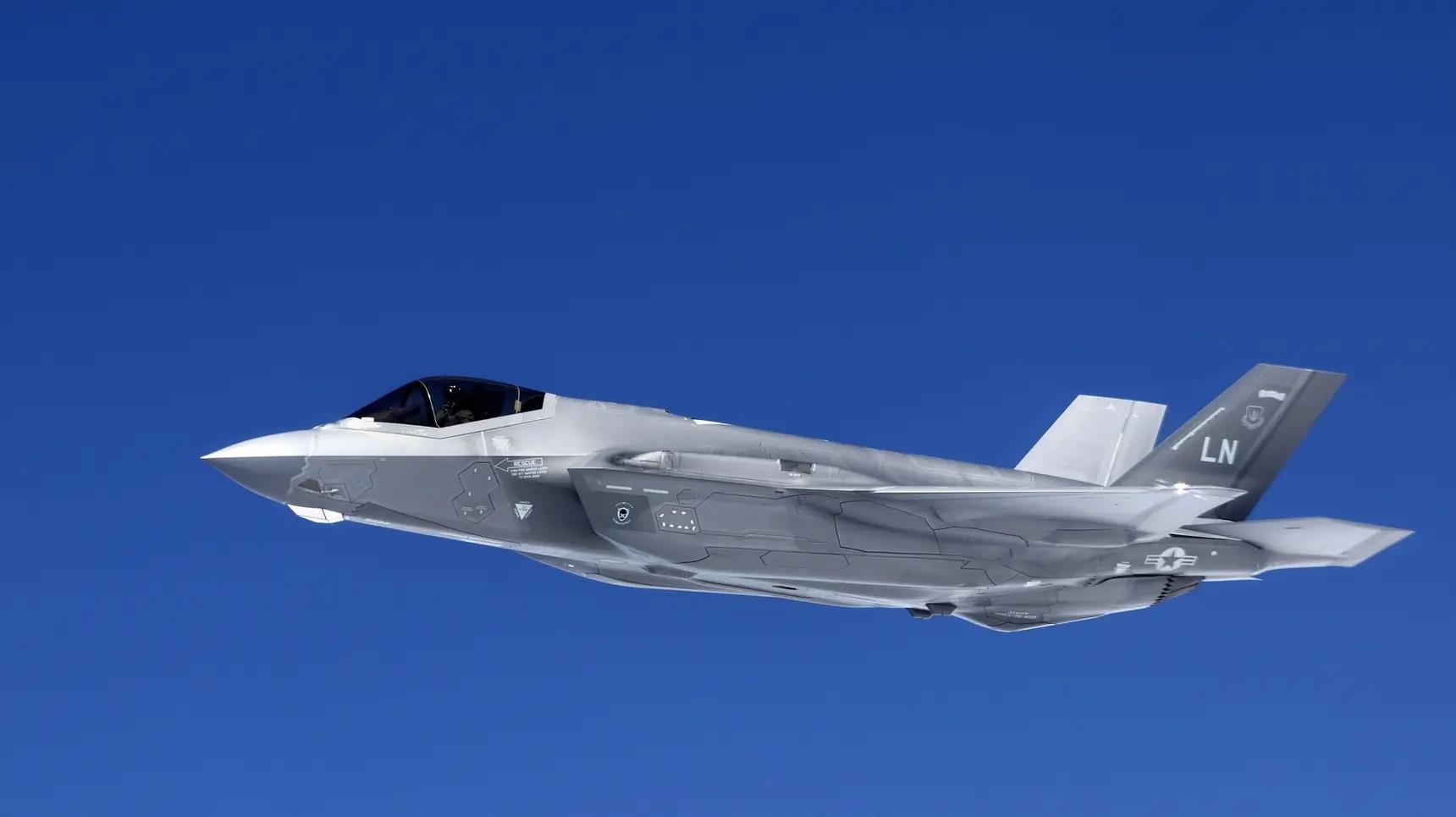
F-35 overheating has pushed Lockheed Martin into a new $100 million brake heat sink contract.
Lockheed Martin has received a new $100 million contract.
The deal targets long-running thermal management issues on the F-35.
The U.S. Naval Air Systems Command, or NAVAIR, awarded the contract.
It covers new brake system heat sink components for the fighter fleet.
The contract covers 1,459 brake assembly heat sinks.
Additionally, the programme supports depot-level brake repairs.
The order includes 1,075 units for the F-35A.
Meanwhile, 384 units will support the F-35B variant.
According to U.S Departman of War, work supports F-35A and F-35B brake repairs.
The F-35 faces high thermal loads during intense flight operations.
However, the issue does not stop at the brake system.
Heat can also affect the aircraft’s avionics infrastructure.
Therefore, thermal control now carries direct combat value.
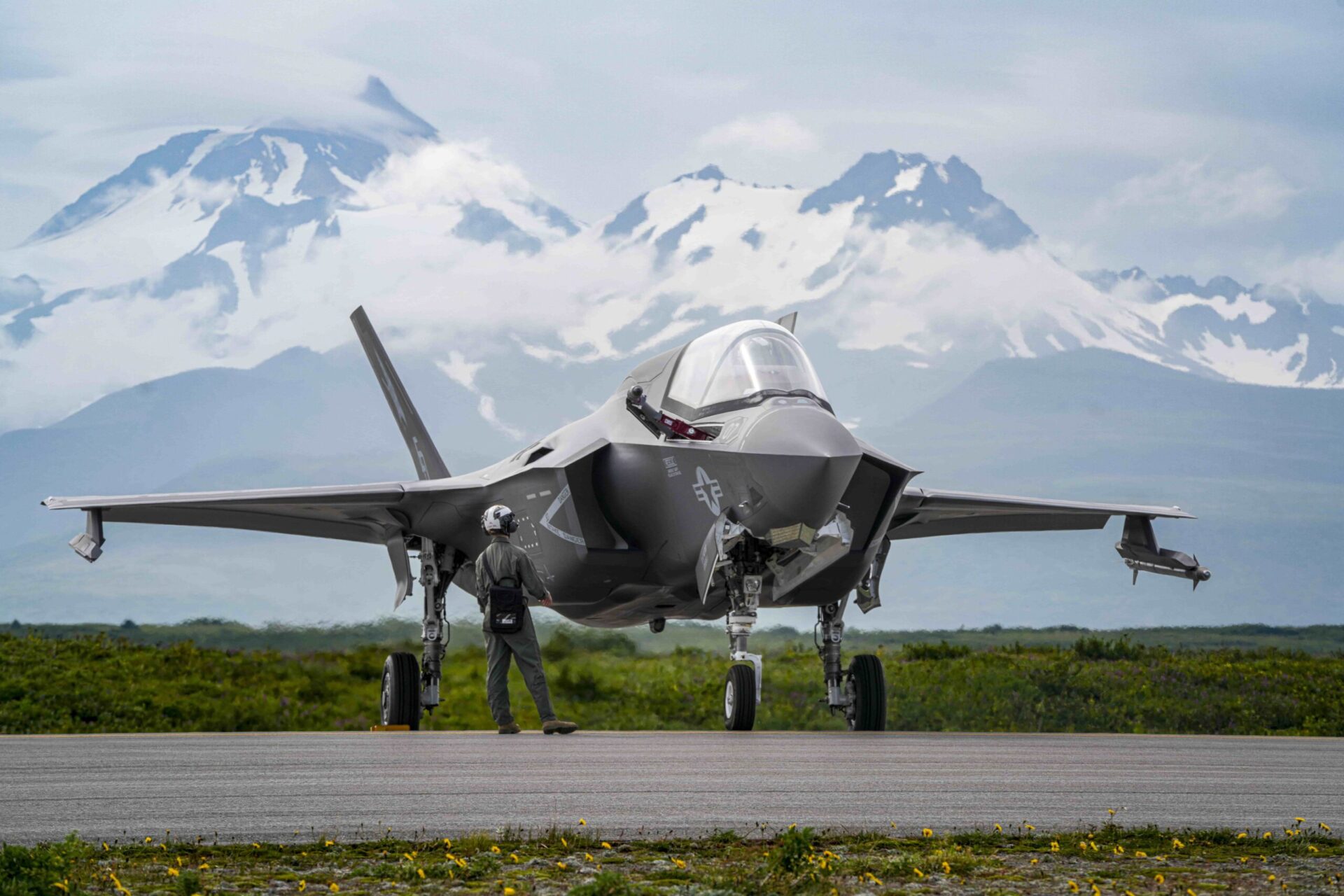
A fully loaded F-35 weighs more than 13 tonnes.
During high-speed landings, it must shed huge kinetic energy.
This happens across a short runway distance.
As a result, nearby systems face serious thermal stress.
Wiring, sensors, and avionics links can come under pressure.
Because of this, brake heat sinks matter beyond routine maintenance.
The new parts will absorb heat during landing.
They will also limit heat transfer into critical nearby systems.
This reduces stress on sensitive equipment.
Moreover, it can help aircraft return to service faster.
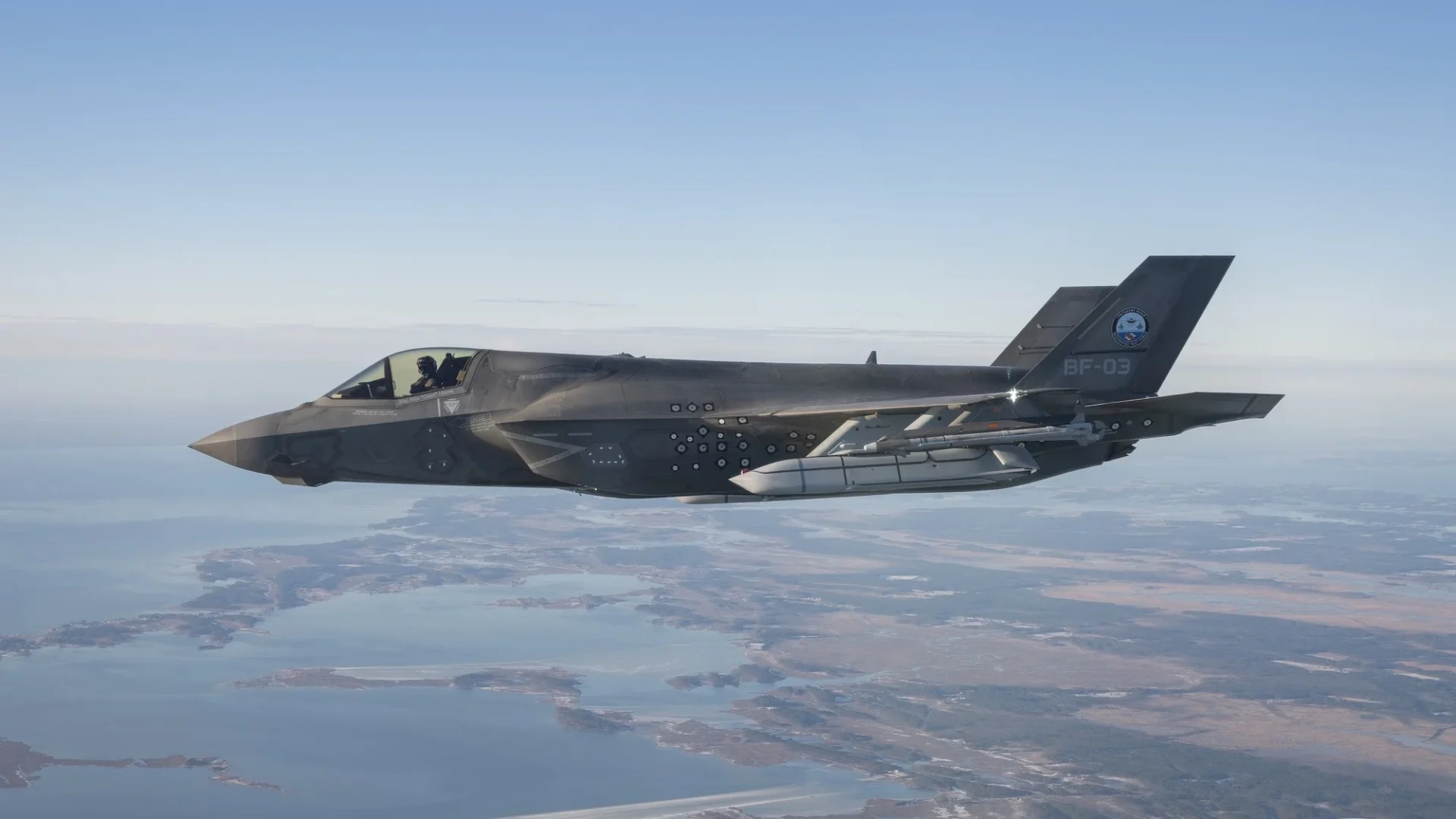
The F-35A is the conventional take-off and landing variant.
The F-35B supports short take-off and vertical landing operations.
Both variants place strong demands on support systems.
However, F-35B operations can create unique thermal and maintenance challenges.
The contract therefore targets two key parts of the fleet.
It also supports users that rely on daily readiness.
F-35 maintenance has become a major concern.
Depot-level capacity remains one of the key pressure points.
The U.S. Government Accountability Office, or GAO, flagged this issue before.
Its reports linked poor readiness to weak maintenance infrastructure.
GAO said the F-35 mission capable rate stayed below programme goals.
It also cited delayed depot maintenance capacity as a major cause.
In another report, GAO put the March 2023 mission capable rate near 55%.
That remained far below the 90% F-35A goal and 85% F-35B/C goals.
These figures show why small parts can create large fleet effects.
Consequently, brake system shortages can slow operational recovery.
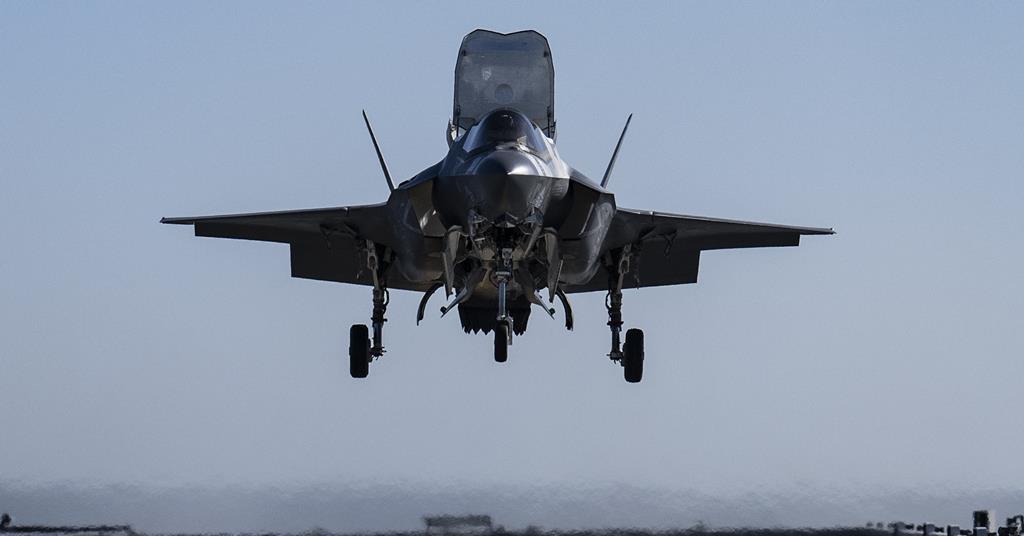
Shortages in brake system parts can delay aircraft returns.
They can also increase maintenance queues across the fleet.
This matters because the F-35 now serves many air forces.
At the same time, global demand for the aircraft keeps rising.
Nineteen countries currently operate the F-35.
These include the United States, United Kingdom, Japan, and Australia.
South Korea, Norway, the Netherlands, Italy, and Denmark also operate it.
Moreover, the total fleet has passed 1,100 aircraft.
For wider air power coverage, read our https://dmxdefence.com/category/air-systems/ on DMX Defence.
Experts see the brake issue as only one part.
The wider challenge sits inside the F-35 thermal architecture.
Block 4 will add new systems to the platform.
These include new radars, electronic warfare systems, and mission computers.
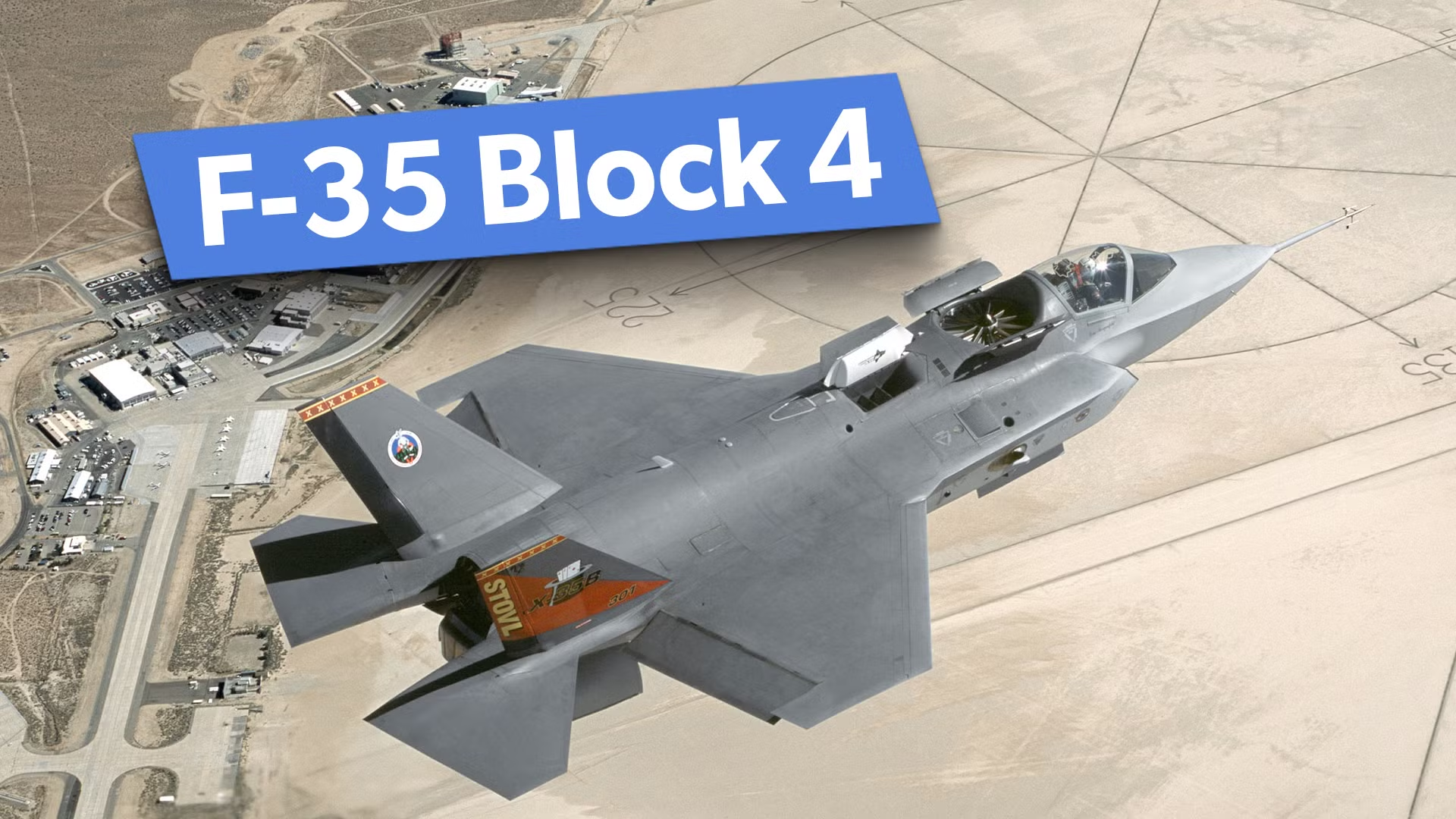
Advanced systems need more power during missions.
However, more power usually creates more heat.
This can push the current cooling design near its limits.
Therefore, the F-35 needs stronger thermal management for future upgrades.
The issue is not just technical.
Instead, it can shape sortie rates during a long conflict.
Collins Aerospace and Honeywell Aerospace are developing new systems.
They focus on next-generation power and thermal management.
However, the new infrastructure may not arrive soon.
Current expectations point to the 2030-2032 period at the earliest.
The new heat sink order therefore acts as an interim fix.
It helps sustain the fleet before deeper upgrades arrive.
This approach does not solve every thermal issue.
Nevertheless, it can reduce urgent brake-related pressure.
The timeline also explains the 2030 programme horizon.
The fleet needs support while larger architecture changes mature.
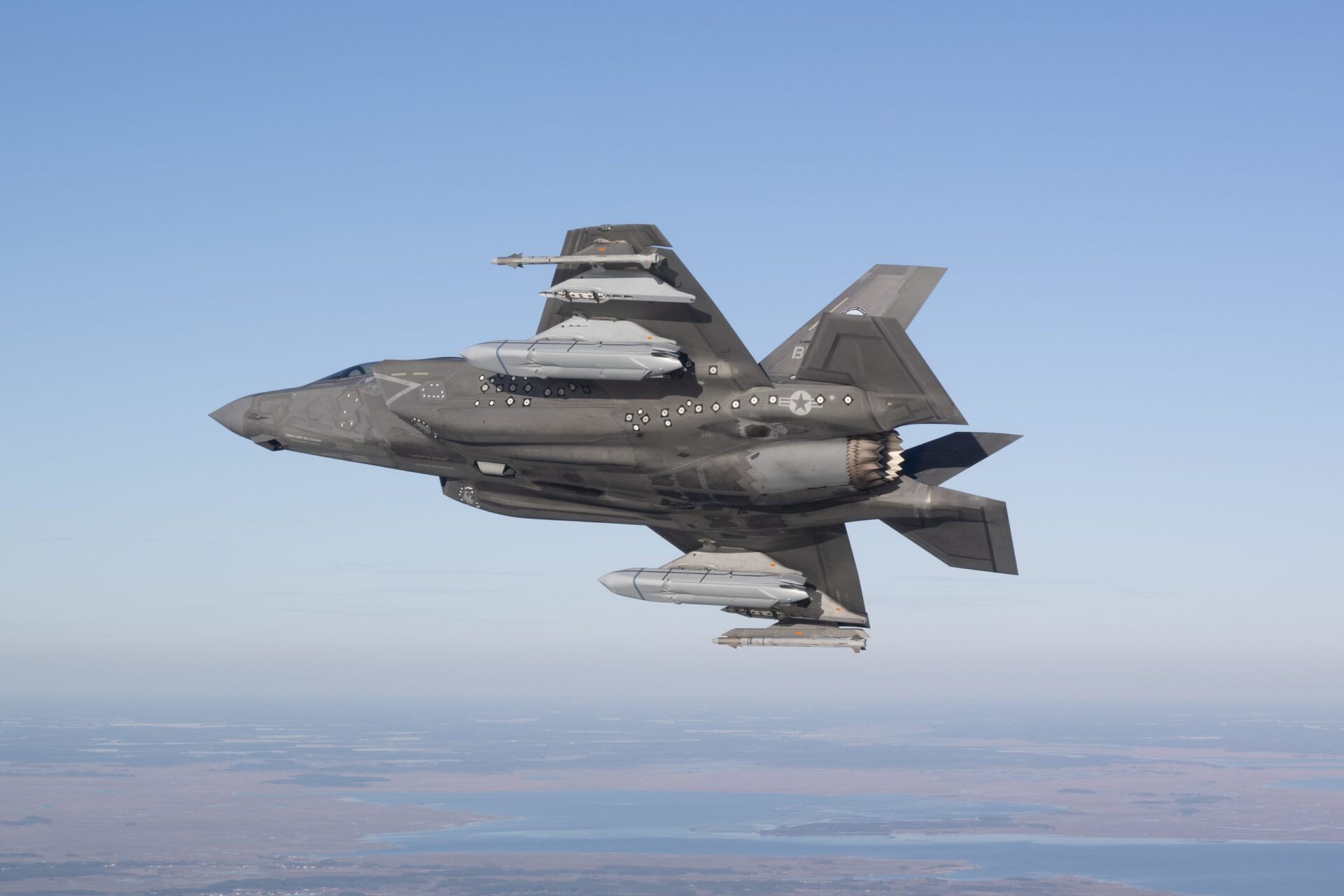
F-35 overheating is not only a maintenance story.
It also shows how fifth-generation fighters depend on thermal control.
Modern aircraft carry sensors, processors, and electronic warfare tools.
Additionally, each new system adds more heat and power demand.
The strategic risk is simple.
A fighter cannot project power if maintenance blocks its return.
Therefore, heat sinks can have wider combat value.
They protect readiness, sortie generation, and allied air power.
More importantly, this contract buys time.
It supports the fleet until deeper thermal upgrades enter service.