 11
11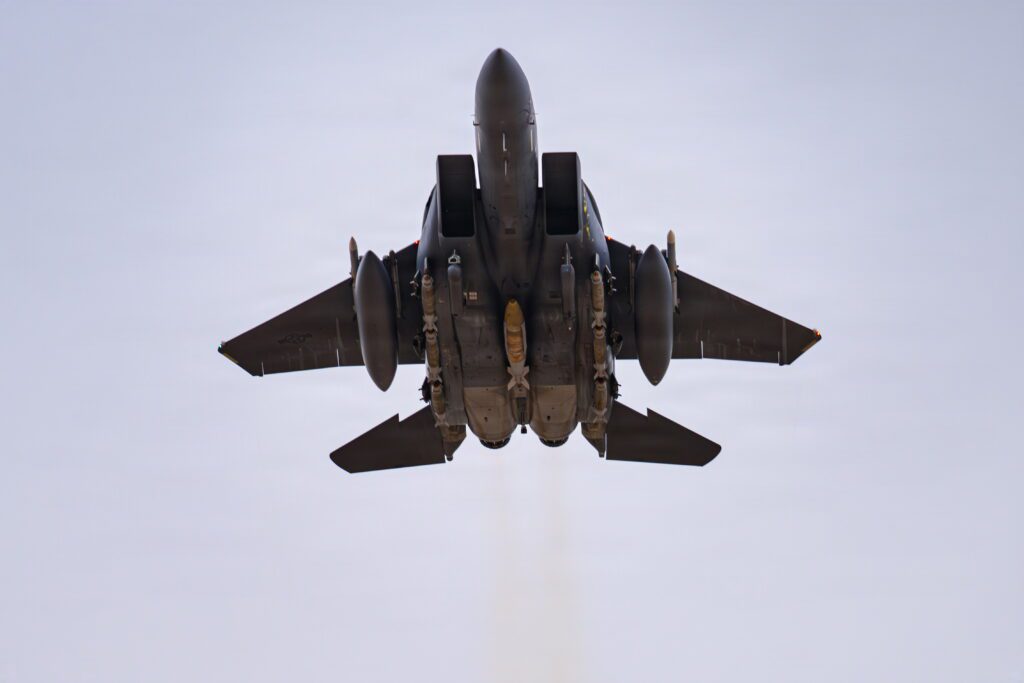
A newly released report from the US Congressional Research Service (CRS) has exposed the scale of American air power losses sustained during Operation Epic Fury, the 40-day conflict against Iran that began on 28 February. The document records 42 US aircraft either destroyed or damaged during the campaign, highlighting the growing vulnerability of even the Pentagon’s most advanced aerial assets in a high-intensity modern war.
Titled *“Combat Losses of US Aircraft in Operation Epic Fury: Considerations for Congress”* and dated 13 May, the CRS assessment compiles information from Pentagon releases, US Central Command (CENTCOM) statements, and multiple media reports. The findings paint a costly picture of attrition that stretched across fighters, tankers, surveillance aircraft, helicopters and unmanned systems, with financial losses now approaching tens of billions of dollars.
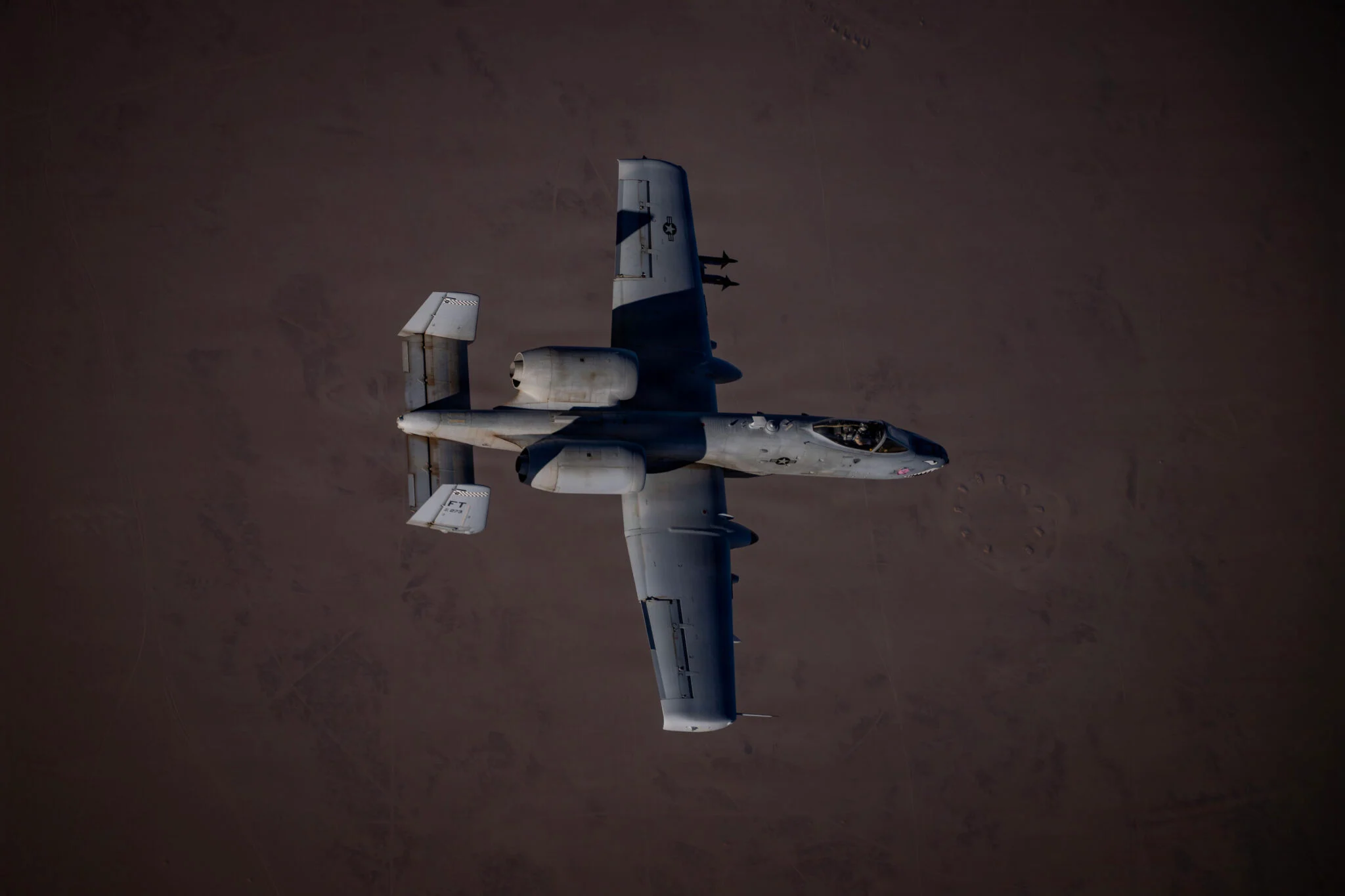
According to the report, the affected platforms included:
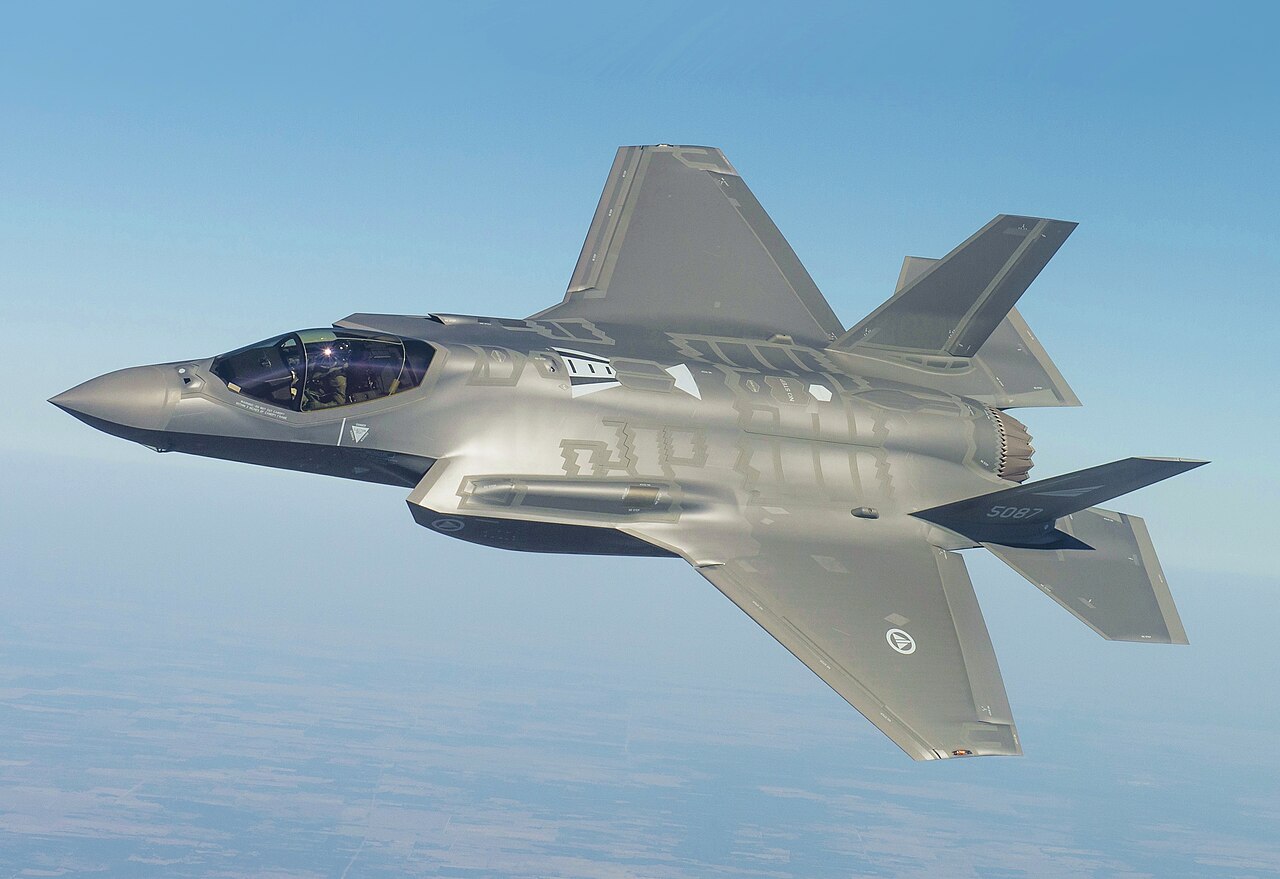
* 1 F-35A Lightning II stealth fighter
* 1 A-10 Thunderbolt II close air support aircraft
* 1 E-3 Sentry AWACS airborne early warning aircraft
* 1 HH-60W Jolly Green II combat rescue helicopter
* 1 MQ-4C Triton high-altitude surveillance UAV
* 2 MC-130J Commando II special operations transports
* 4 F-15E Strike Eagle fighter aircraft
* 7 KC-135 Stratotanker aerial refuelling aircraft
* 24 MQ-9 Reaper unmanned aerial vehicles
Friendly Fire, Missile Strikes and Combat Attrition
The first major losses reportedly occurred on 1–2 March when a Kuwaiti Air Force F/A-18 Hornet mistakenly shot down three US F-15E Strike Eagles over Kuwait during a chaotic engagement involving Iranian aircraft, ballistic missiles and drones. All six crew members successfully ejected and were rescued. A fourth F-15E was later shot down over Iran on 3 April, with both crew members extracted during separate combat rescue operations.
The tanker fleet suffered its deadliest incident on 12 March when a KC-135 Stratotanker crashed over western Iraq during an aerial refuelling sortie, killing all six personnel onboard. CENTCOM stated that neither enemy nor friendly fire caused the loss. A second KC-135 involved in the same operation managed to divert safely to Ben Gurion Airport in Israel.
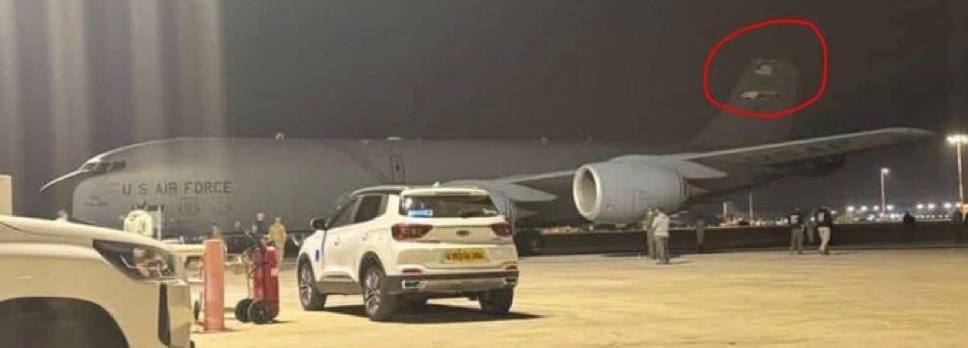
Just two days later, Iranian missile and drone attacks struck Prince Sultan Air Base in Saudi Arabia, damaging five additional KC-135 tankers parked on the ground and bringing the total tanker losses to seven.
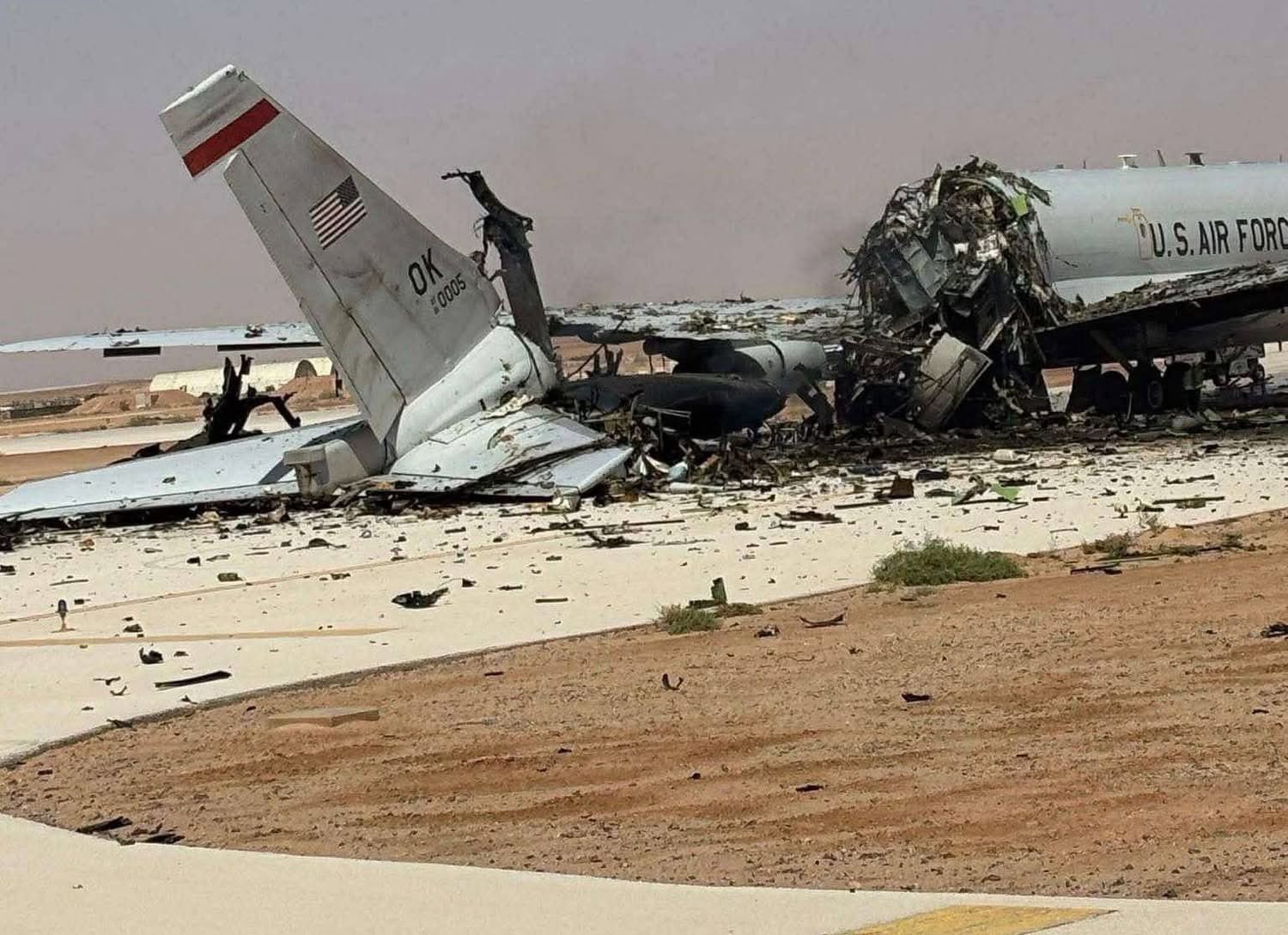
An F-35A Lightning II also sustained damage from ground fire during a mission over Iran on 19 March but succeeded in returning to base. Iran launched another strike against Prince Sultan Air Base on 27 March, this time damaging an E-3 Sentry airborne early warning and control aircraft. A Washington Post report cited by the CRS stated that the aircraft had been parked on an exposed taxiway at the time of the attack.
Combat Rescue Operations Trigger Further Losses
On 3 April, an A-10 Thunderbolt II was shot down by Iranian forces while supporting a combat search-and-rescue mission. The pilot ejected safely and was later recovered.
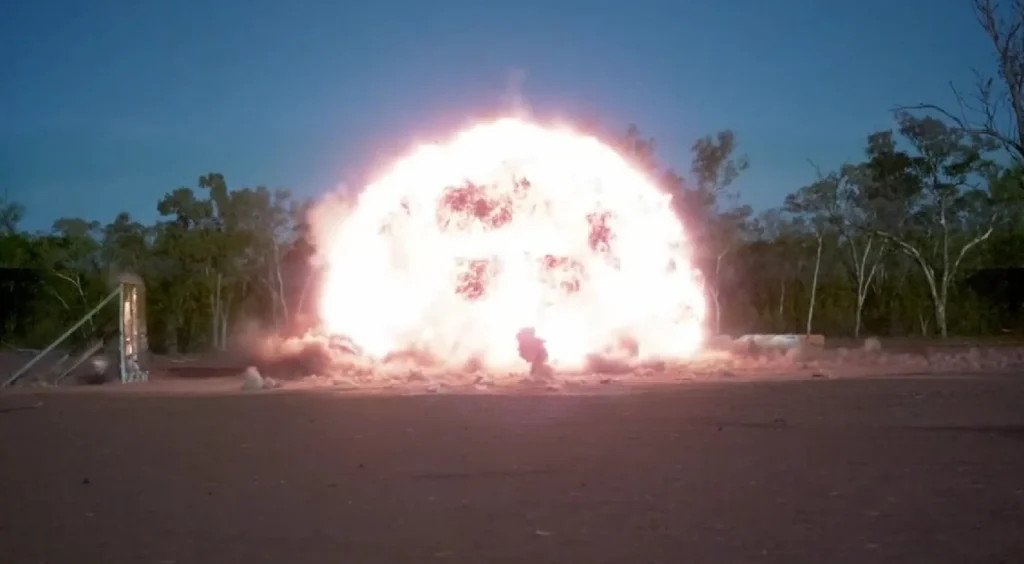
The rescue effort intensified two days later during operations to retrieve the weapons systems officer from the downed F-15E. According to the report, two MC-130J Commando II aircraft were deliberately destroyed on the ground inside Iran after being unable to depart from a forward operating strip. All crew members were evacuated before demolition charges were detonated.
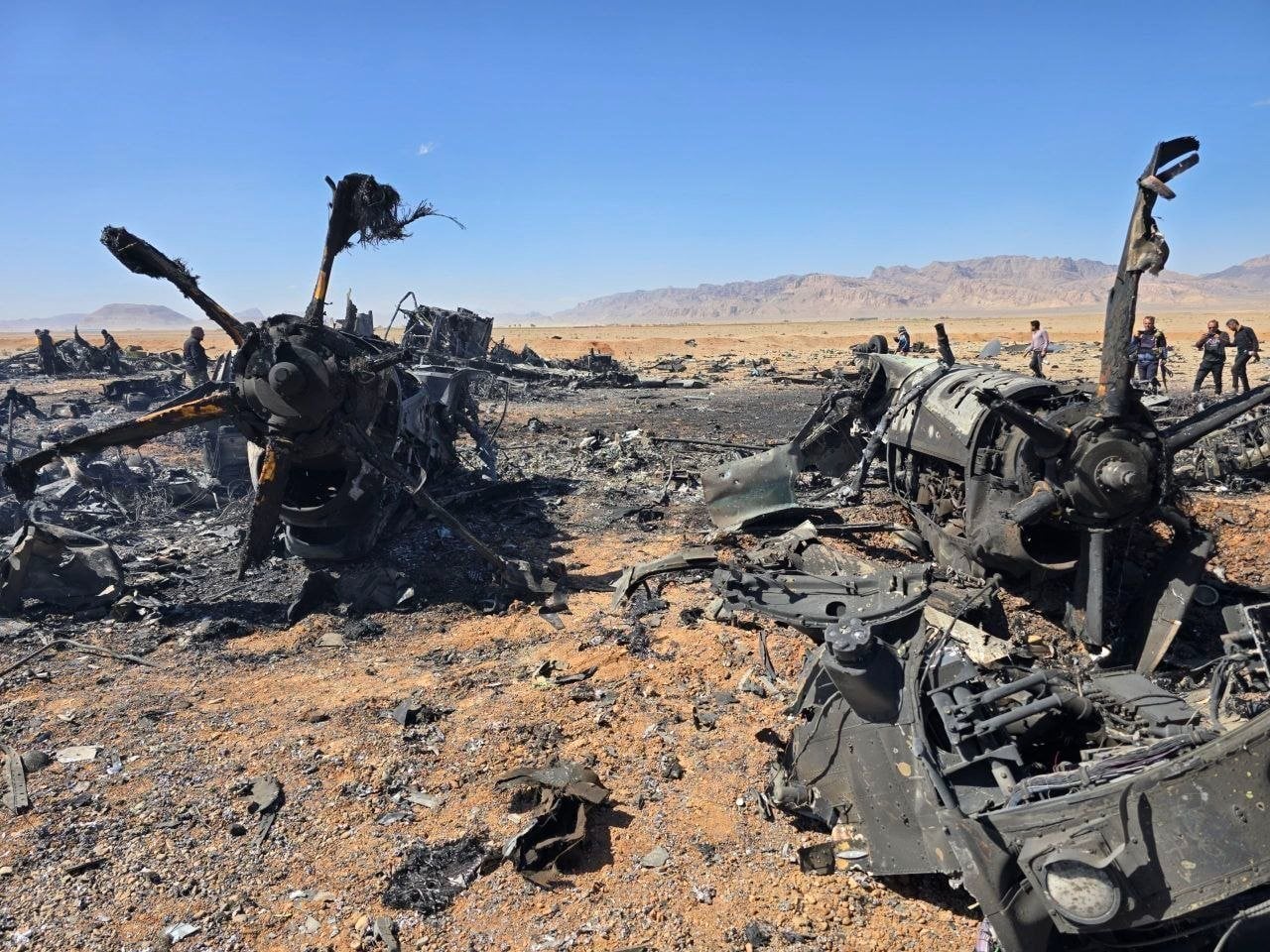
During the same operation, an HH-60W Jolly Green II combat rescue helicopter also came under small-arms fire. However, emerging reports suggest the true extent of helicopter losses may have been underreported.
Drones Absorb the Heaviest Blow
Unmanned systems accounted for the overwhelming majority of losses recorded during Operation Epic Fury. Of the 42 damaged or destroyed aircraft, 25 were drones.
The CRS list includes 24 MQ-9 Reaper UAVs and one MQ-4C Triton surveillance drone reportedly lost in an incident on 14 April. Despite those losses, US Air Force Commander General Kenneth Wilsbach described the MQ-9 Reaper as the standout platform of the conflict during testimony before the House Armed Services Committee on 20 May.
According to Defence News, Wilsbach stated that “perhaps the MVP was unmanned,” adding that no other platform came close to matching the MQ-9’s operational contribution.
Questions Emerge Over Unreported Losses
Several media outlets have disputed portions of the CRS report, particularly regarding the E-3 Sentry AWACS aircraft. While the document lists the aircraft as damaged, both The Jerusalem Post and Air & Space Forces Magazine reported that the platform was effectively destroyed.
Images of aircraft serial 81-0005 released days after the 27 March strike showed the rear fuselage completely burned out, with wreckage scattered around the aircraft. Before the conflict, the US Air Force operated only 16 E-3 aircraft globally, six of which had been deployed to Prince Sultan Air Base.
Questions have also been raised regarding the reported number of HH-60W helicopters hit during rescue operations. During a 6 April press briefing, Chairman of the Joint Chiefs of Staff General Dan Caine confirmed that two helicopters involved in the mission had taken fire, with one crew member in the trailing aircraft suffering minor injuries. Analysts at The Aviationist argued that the statement strongly implied both helicopters had been struck.
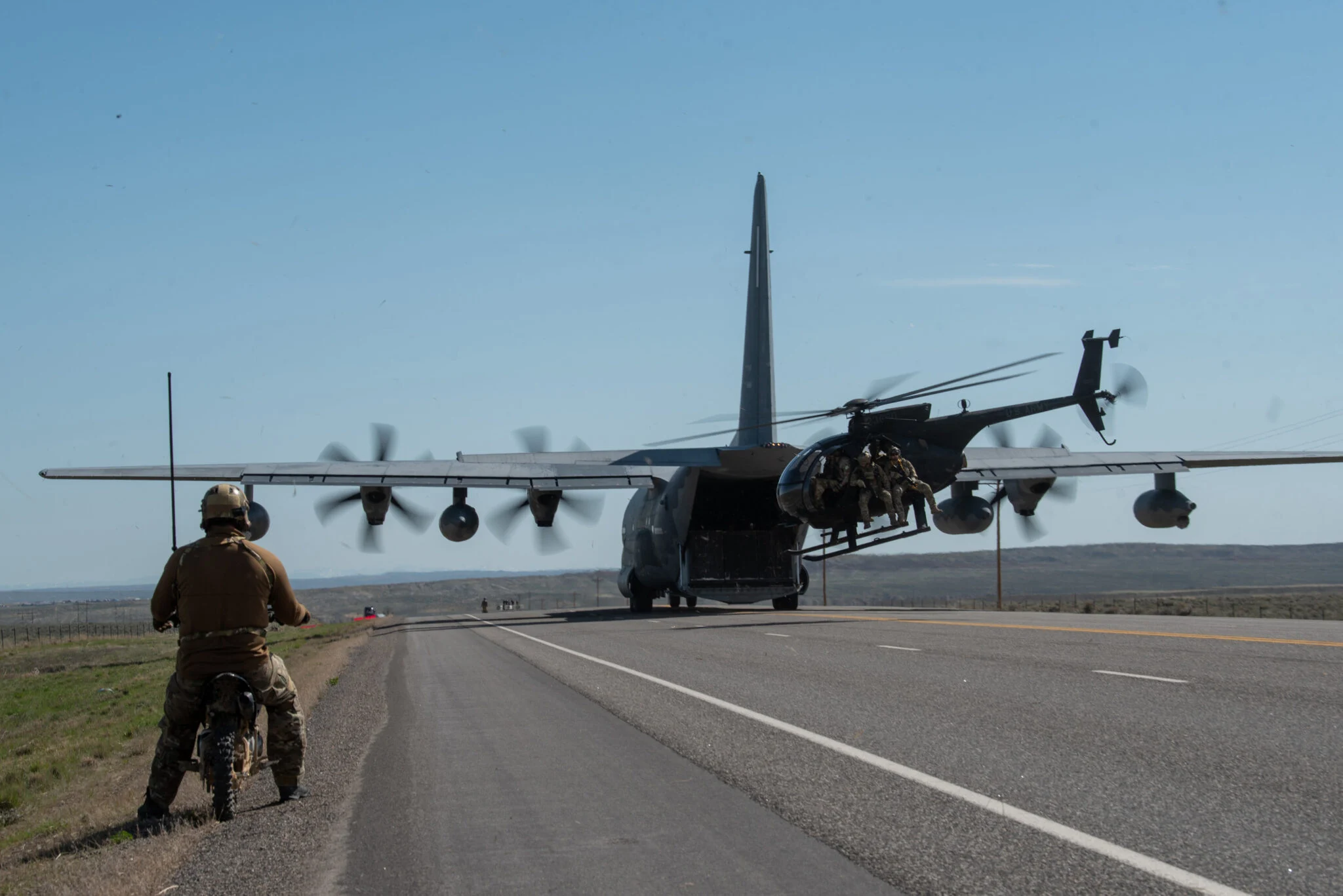
The report also omits any mention of AH/MH-6 Little Bird helicopters. According to TWZ reporting published in early April, between two and four Little Bird helicopters operated by the US Army’s 160th Special Operations Aviation Regiment were intentionally destroyed at the same Iranian airstrip where the MC-130Js were demolished. Open-source imagery later geolocated by analysts appeared to show burned helicopter wreckage alongside the destroyed C-130 aircraft.
War Costs Climb Towards $29 Billion
Beyond aircraft attrition, the financial burden of the campaign continues to rise sharply.
Acting Pentagon Comptroller Jules Hurst told the House Appropriations Defense Subcommittee on 12 May that operational costs linked to the Iran conflict had increased from the previously estimated $25 billion to nearly $29 billion.
Responding to questions from California Representative Pete Aguilar, Hurst explained that the revised figure reflected updated equipment repair and replacement costs as well as the continuing expense of sustaining personnel and operations across the theatre.
The estimate still excludes the cost of repairing damaged air bases and other US military facilities across the region, suggesting the final financial impact of Operation Epic Fury may climb significantly higher in the months ahead.
Source: DefenceTurk