 11
11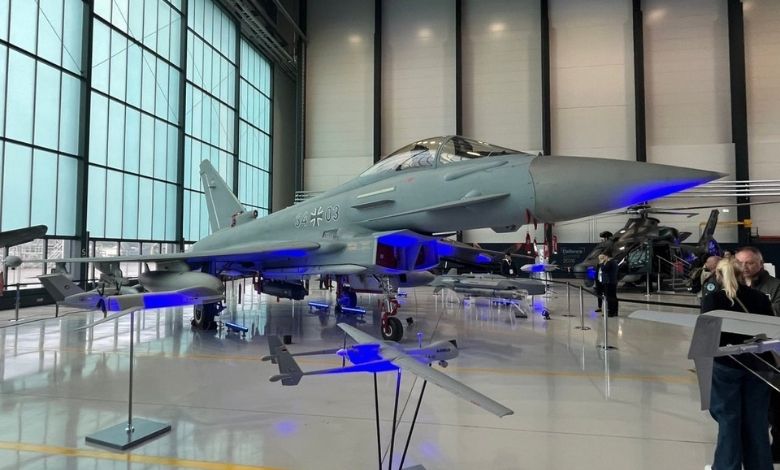
Eurofighter Tranche 4 has emerged as Germany’s next major step in fighter modernisation.
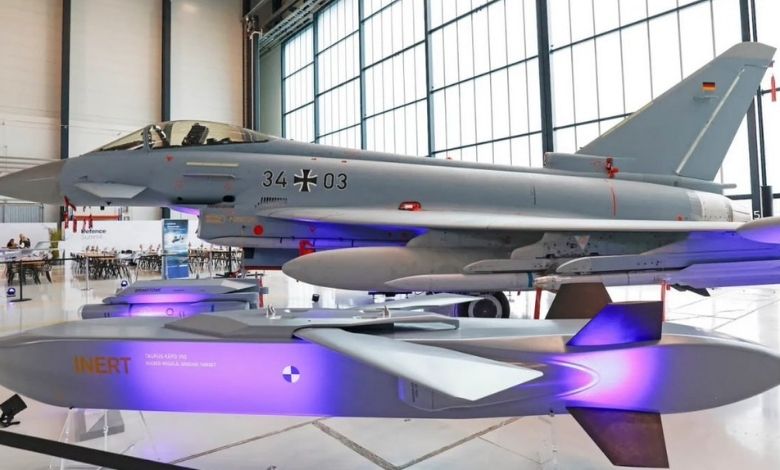
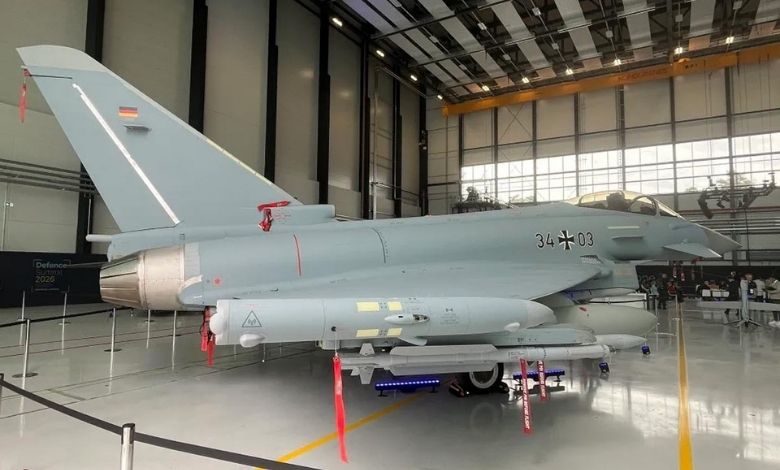
Airbus Defence & Space unveiled the first aircraft built for the German Air Force at Manching, near Munich.
The single-seat fighter represents the first visible result of Germany’s Quadriga Programme.
Moreover, Airbus confirmed that several Tranche 4 aircraft have already completed production on the Manching final assembly line.
However, the new variant has not yet performed its first flight.
Airbus expects that milestone within the coming weeks.
Germany launched the Quadriga Programme in November 2020.
Under this plan, Berlin ordered 38 Eurofighter Tranche 4 aircraft for the German Air Force.
The order includes 31 single-seat aircraft and seven twin-seat platforms.
Additionally, Germany plans to complete deliveries by 2030.
Germany will assign three of the 38 aircraft to national test centres.
These jets will carry extra test equipment and measurement systems for future Eurofighter development work.
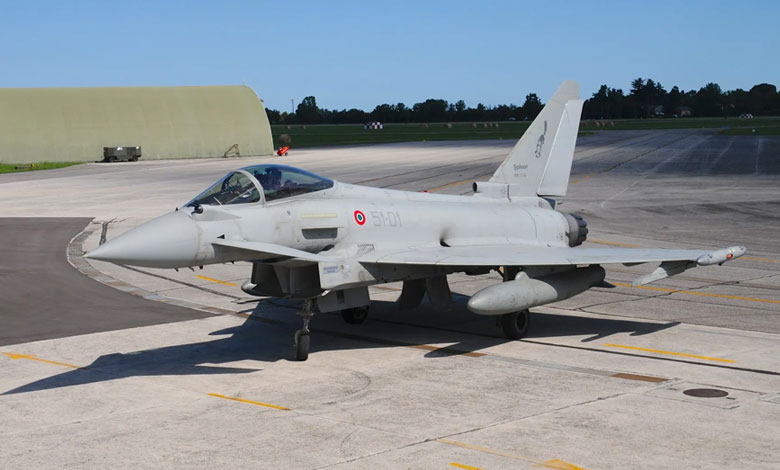
Germany plans to replace its older Tranche 1 Eurofighter fleet with the new aircraft.
Those earlier jets carry the legacy Captor-M radar.
They also offer limited air-to-ground strike capability.
Therefore, Berlin sees them as less suitable for future high-threat missions.
Germany also wants to buy 55 additional Eurofighter aircraft.
These jets would replace the country’s ageing Tornado IDS strike aircraft.
Meanwhile, this wider plan shows Germany’s intent to keep Eurofighter at the centre of its combat fleet.
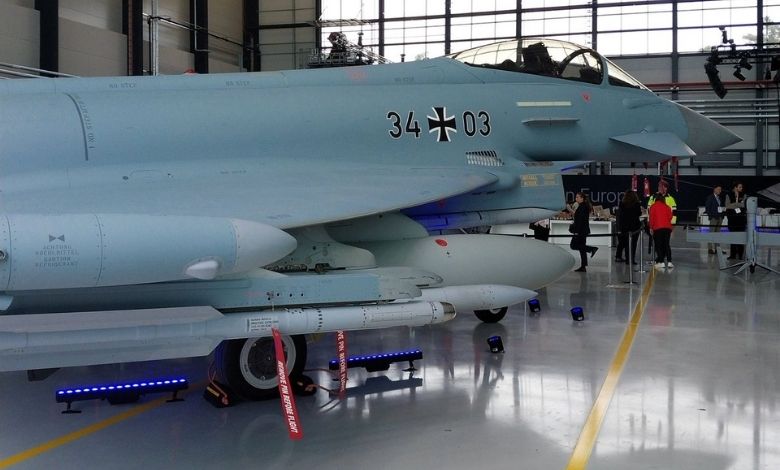
The Saab-developed AREXIS self-protection system forms a key part of the upgrade.
The system aims to improve electronic warfare and countermeasure performance against hostile air defence radars.
Additionally, Germany plans to equip the aircraft with new-generation guided air-to-ground munitions.
As a result, the platform should gain greater flexibility in complex strike missions.
The Hensoldt-built ECRS Mk1 AESA radar defines the new variant’s combat leap.
Unlike mechanically scanned radars, AESA technology gives pilots faster tracking and wider target coverage.
Moreover, the radar supports longer-range detection and multi-target engagement.
It also offers stronger resistance against electronic jamming.
The radar should improve performance against low-observable targets.
More importantly, it should also help detect low-flying aircraft and missiles more effectively.
Because of this, Eurofighter Tranche 4 will offer stronger situational awareness in contested airspace.
Germany ordered 20 Eurofighter Tranche 5 aircraft in October 2025.
These platforms will support electronic warfare and reconnaissance missions.
Berlin plans to use them as replacements for the German Air Force’s Tornado ECR aircraft.
The contract has a value of about €3.75 billion.
The Tranche 5 package also includes 52 engines and spare parts.
Germany expects first deliveries in 2031.
Furthermore, final deliveries should conclude by 2034.
Eurofighter Tranche 4 gives Germany more than a newer fighter.
It brings stronger sensors, better self-protection and improved strike flexibility.
Consequently, the German Air Force gains a platform better suited for dense air defence environments.
At the same time, Tranche 5 will strengthen Germany’s future electronic warfare role inside NATO.
Source: Savunmasanayist