 11
11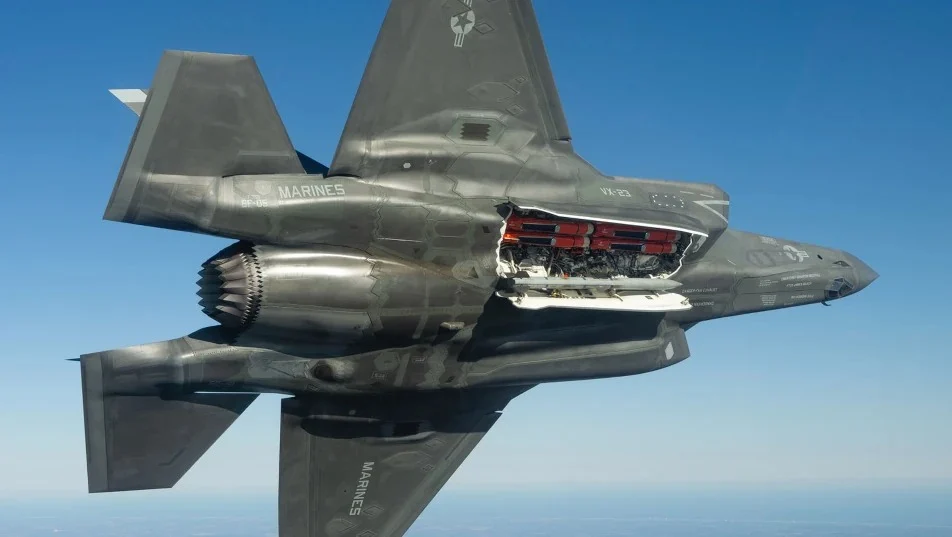
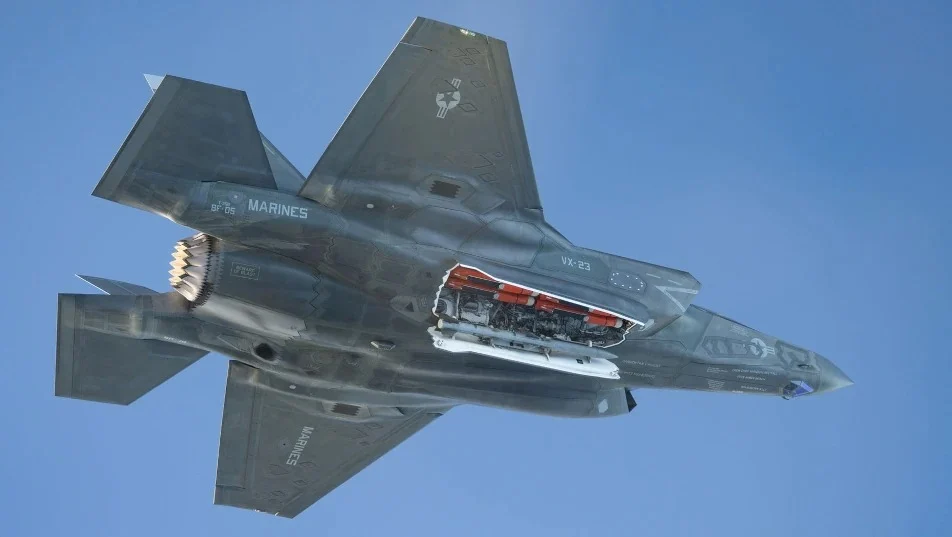
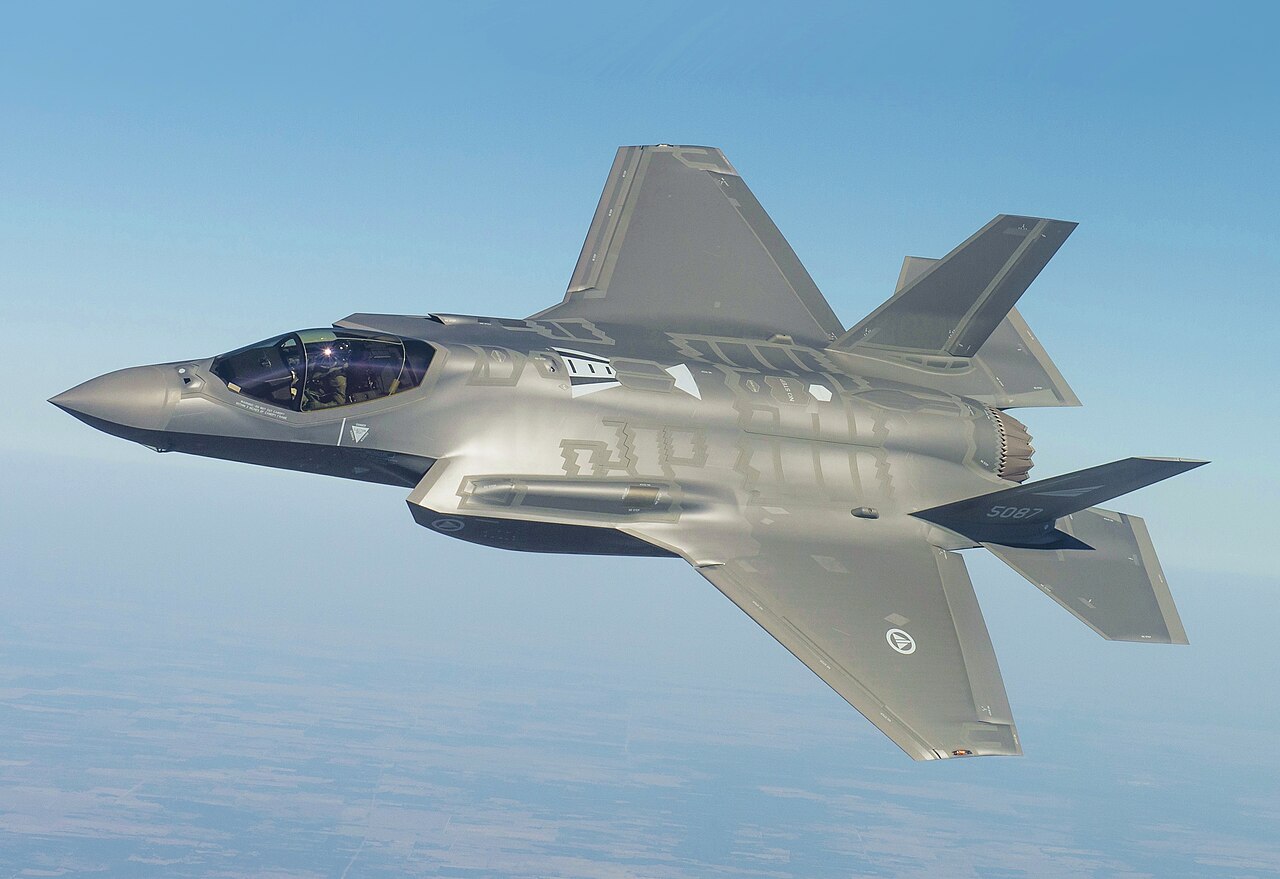
The F-35B fighter jet has successfully completed its first flight carrying the United Kingdom’s new SPEAR 3 miniature cruise missile, marking a significant step forward in Britain’s next-generation air combat capabilities.
According to European missile manufacturer MBDA, the milestone test involved a British-configured F-35B equipped with four SPEAR 3 long-range precision munitions integrated internally within the aircraft. The company confirmed on Thursday, 21 May, that the flight had taken place earlier this year at Naval Air Station Patuxent River, one of the United States’ premier naval aviation testing centres.
The sortie was conducted by a Royal Navy F-35B test pilot, underlining the United Kingdom’s direct involvement in the programme’s operational development phase. Following the flight, MBDA stated that engineers would now analyse the collected data before progressing towards the next critical stages of integration, including mission systems integration and live jettison testing.
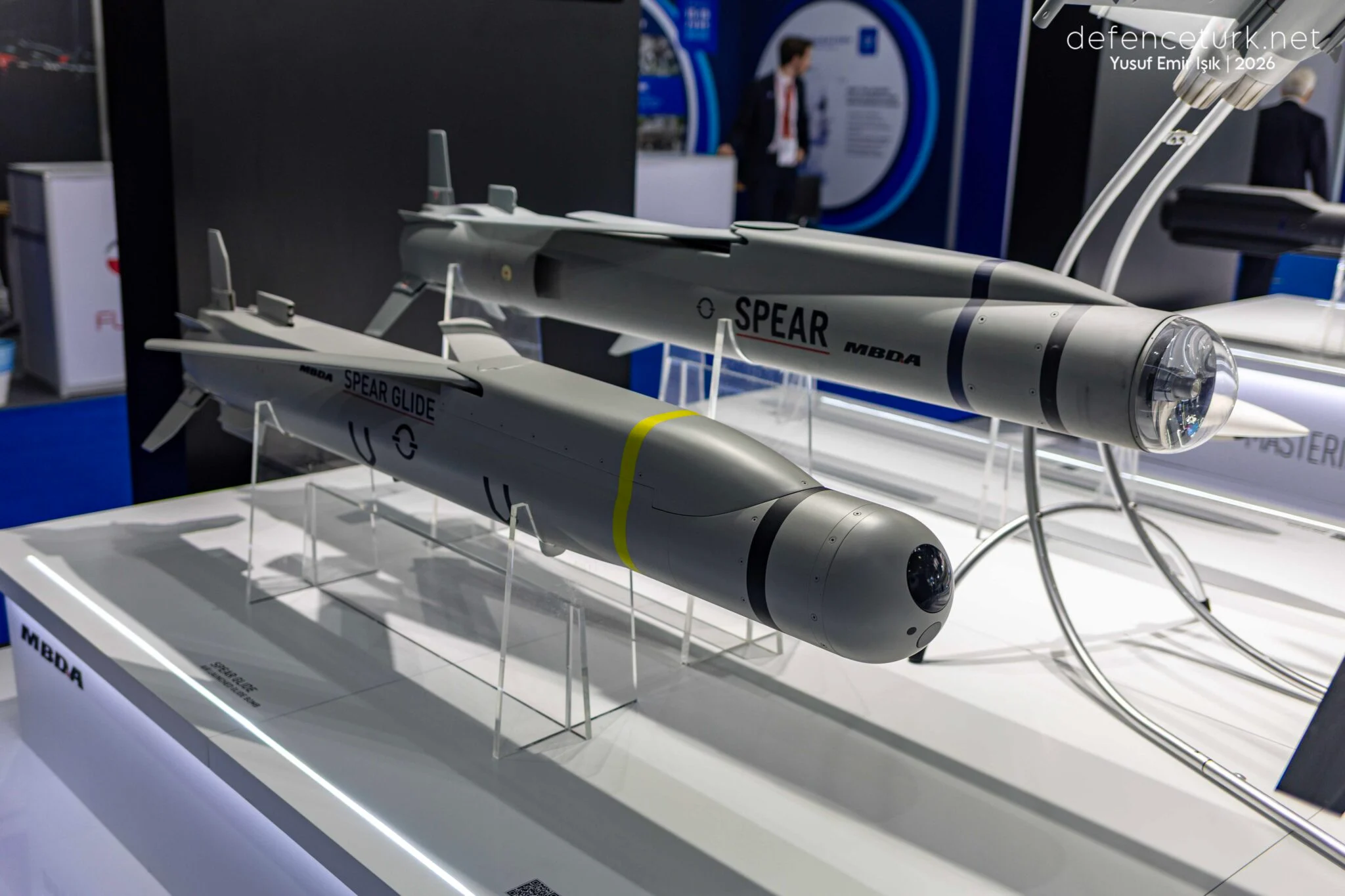
The achievement comes after years of technical delays that pushed the programme roughly four years behind its original schedule. Designed specifically to provide British F-35B aircraft with advanced stand-off strike capability, SPEAR 3 is intended to allow pilots to engage high-value targets from significant distances while remaining outside hostile air defence envelopes.
In comments reported by Breaking Defense, the F-35 Joint Program Office described the test as a major milestone for the UK’s future combat airpower. The office stated that full integration of the weapon would enable the F-35B to carry up to eight SPEAR 3 missiles internally, significantly enhancing precision strike capacity without compromising the aircraft’s stealth profile or survivability.
The latest development also follows a successful SPEAR firing trial conducted from a Eurofighter Typhoon in Sweden during 2024. That test formed part of ongoing cooperation between BAE Systems and the UK Ministry of Defence aimed at expanding SPEAR integration across Britain’s combat aviation fleet.
According to the UK Ministry of Defence, the next-generation missile is capable of striking targets at ranges exceeding 100 kilometres (62 miles). The weapon has been designed to engage a broad spectrum of threats, including advanced air defence systems, naval vessels, tanks, and rapidly moving ground vehicles.
Earlier in April, UK Minister for Defence Procurement Luke Pollard confirmed that operational deployment of SPEAR-equipped F-35 aircraft is currently targeted for the 2028–2029 financial year.
The integration of SPEAR 3 onto the F-35B represents a critical enhancement for British airpower, combining long-range precision engagement with the low-observable characteristics of the fifth-generation fighter. Once operational, the capability is expected to strengthen the United Kingdom’s ability to conduct deep precision strikes in heavily contested environments while maintaining NATO interoperability and strategic deterrence.
Source: Defence Turk