 11
11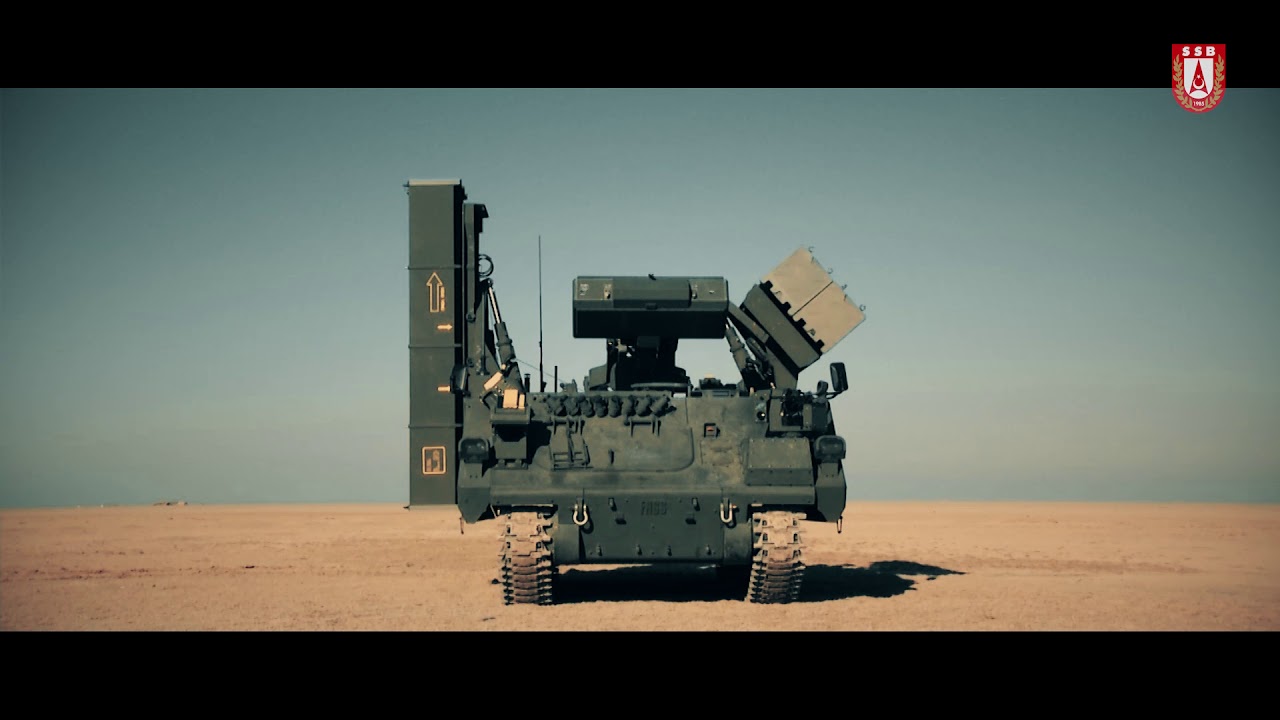
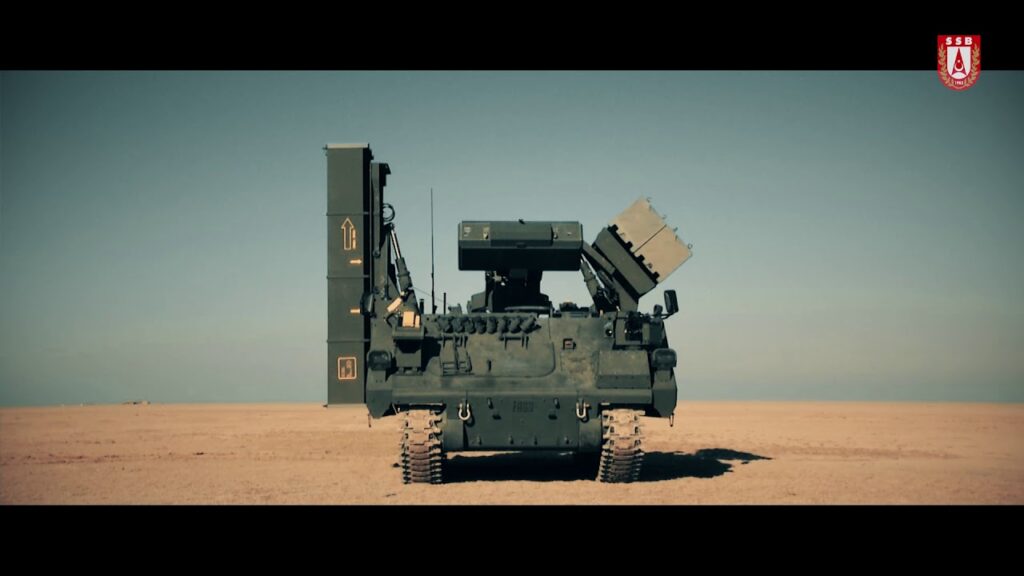
Hisar air defence has reportedly destroyed an RSF-linked UAV in Sudan, marking a visible combat success.
Hisar air defence has appeared in a reported combat engagement in Sudan.
The system destroyed an unmanned aerial vehicle linked to RSF forces.
ASELSAN and ROKETSAN jointly developed the air defence missile system.
Moreover, the event highlights Türkiye’s growing air defence export footprint.
The reported footage shows the system’s control panel and radar network.
It also shows the tracked aerial target before interception.
The UAV was detected at a range of 14 kilometres.
Then, Hisar air defence destroyed it at a distance of 4.5 kilometres.
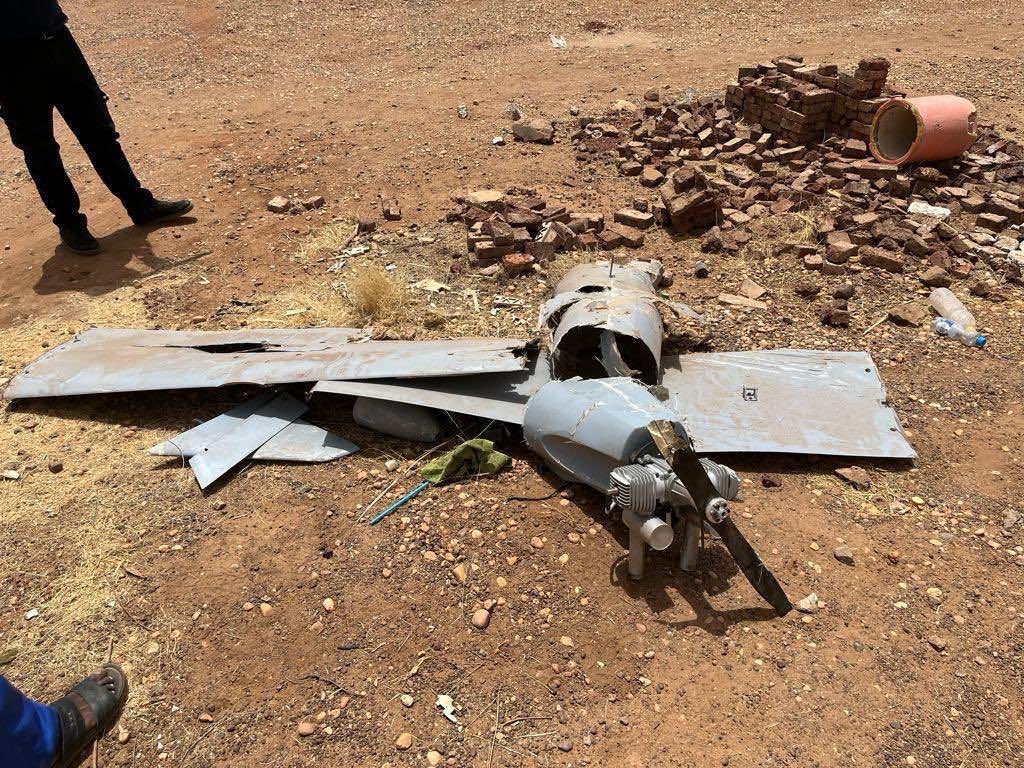
The engagement matters because UAV threats now dominate many battlefields.
Small drones can expose, track and strike ground forces.
Therefore, mobile air defence systems now carry clear frontline value.
They protect forces against low-cost threats with growing tactical effect.
Sudan’s conflict has shown the growing value of unmanned systems.
Meanwhile, Ukraine and the Middle East show the same trend.
Because of this, armies now need layered air defence.
Short and medium-range systems must react quickly to drone threats.
Türkiye built the Hisar family through major domestic defence work.
ASELSAN and ROKETSAN formed the core industrial base.
ROKETSAN describes HİSAR Air Defence Missiles as systems for protecting bases, ports, facilities and troops against aircraft, cruise missiles, air-to-ground missiles and UAVs.
See the official ROKETSAN HİSAR Air Defence Missiles page for system background.
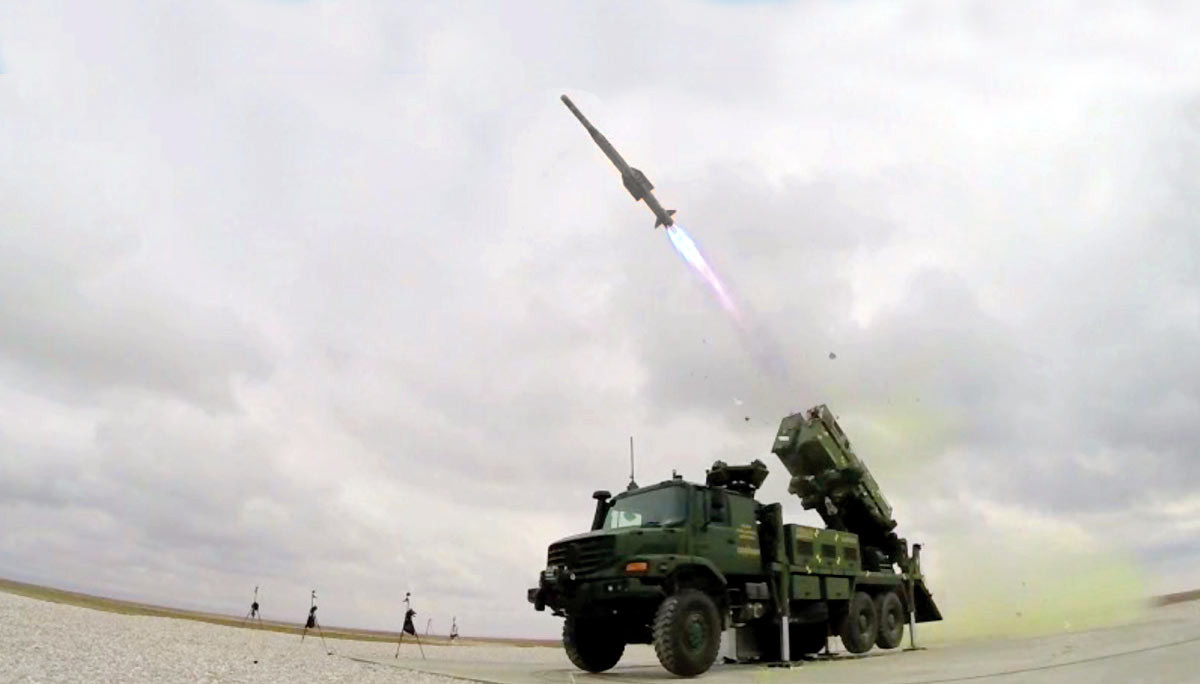
Türkiye spent years building more independent air defence layers.
Hisar now gives that effort a visible battlefield reference.
The system’s role also fits Ankara’s wider defence export rise.
Moreover, it adds credibility to Turkish-made missile technology abroad.
The available footage points to a clear engagement sequence.
The UAV first appeared at a 14-kilometre detection range.
The intercept then occurred at a 4.5-kilometre distance.
As a result, the system showed short-range reaction ability.
Range matters because drone threats often close fast.
Operators need enough time to detect, classify and engage.
A 4.5-kilometre kill distance suggests a close defensive layer.
However, the 14-kilometre detection point adds early warning value.
Foreign-source footage reportedly showed the Hisar control panel.
It also showed the radar network linked to the engagement.
This matters because air defence depends on the whole system.
The missile alone does not create a reliable defence shield.
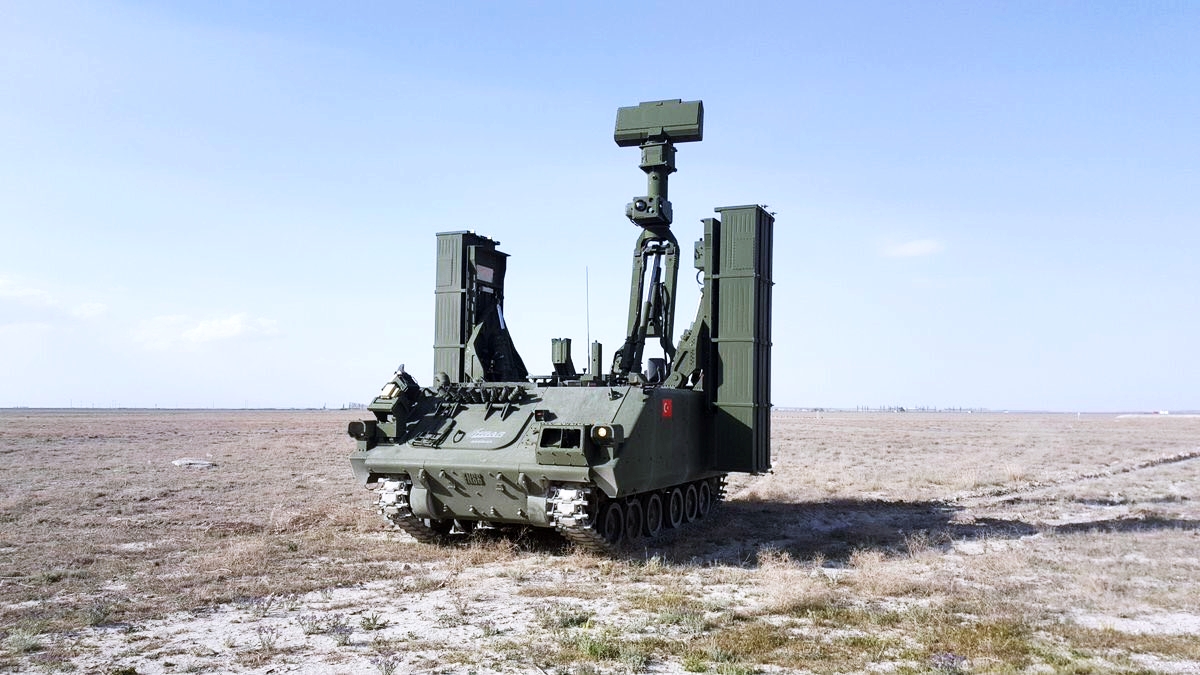
Radar detection starts the kill chain.
Then, operators assess the threat and control the engagement.
Consequently, radar and command systems matter as much as interceptors.
Hisar’s battlefield value comes from this full network.
Recent months have brought faster Hisar family deliveries and exports.
This reported Sudan engagement now adds another layer of interest.
The timing is important for Turkish defence industry messaging.
Additionally, it shows buyers that the system can meet real threats.
Combat footage can affect defence markets.
It gives potential customers a visible example of field performance.
However, one engagement does not prove every mission scenario.
Nevertheless, it can support confidence in the wider system family.
Türkiye has gained global attention through UAV programmes.
These include unmanned aircraft, fifth-generation fighter work and Kızılelma.
Anka-3 also supports the country’s unmanned combat aviation push.
At the same time, air defence systems are now gaining space.
Turkish drones shaped perceptions of Türkiye’s defence industry.
Now, air defence systems may open another chapter.
This shift matters because modern wars need both attack and protection.
Therefore, systems like Hisar can strengthen Türkiye’s wider defence image.
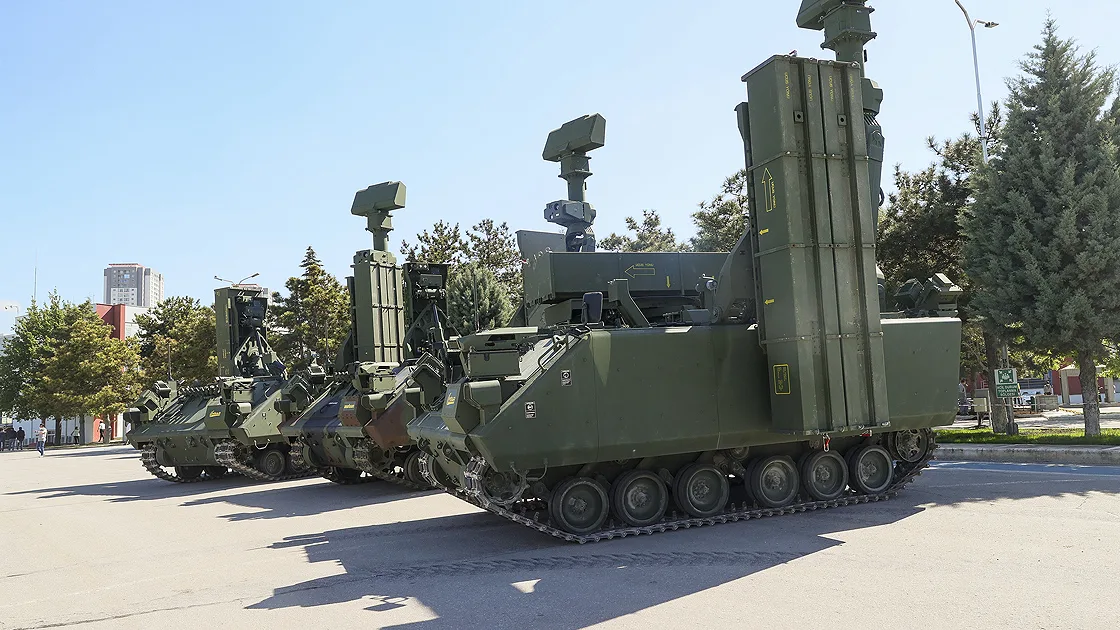
UAVs can overwhelm weak air defence networks.
They can also force defenders to waste expensive interceptors.
Hisar offers a more focused defensive tool against aerial threats.
Moreover, its family concept supports different mission needs.
No single system can defeat every air threat.
Instead, forces need sensors, command networks and layered interceptors.
Hisar can support that layered approach.
Because of this, it may protect bases, troops and critical sites.
For wider context, read our Air Defence coverage on DMX Defence.
Sudan gives Hisar a demanding operational context.
The environment includes drones, mobile forces and irregular battlefield patterns.
Such conditions test air defence in practical ways.
They also show whether crews can react under real pressure.
Combat use can build confidence faster than trials alone.
However, defence observers still need more verified data.
The reported intercept still carries symbolic value.
It places Hisar inside the modern drone-defence debate.
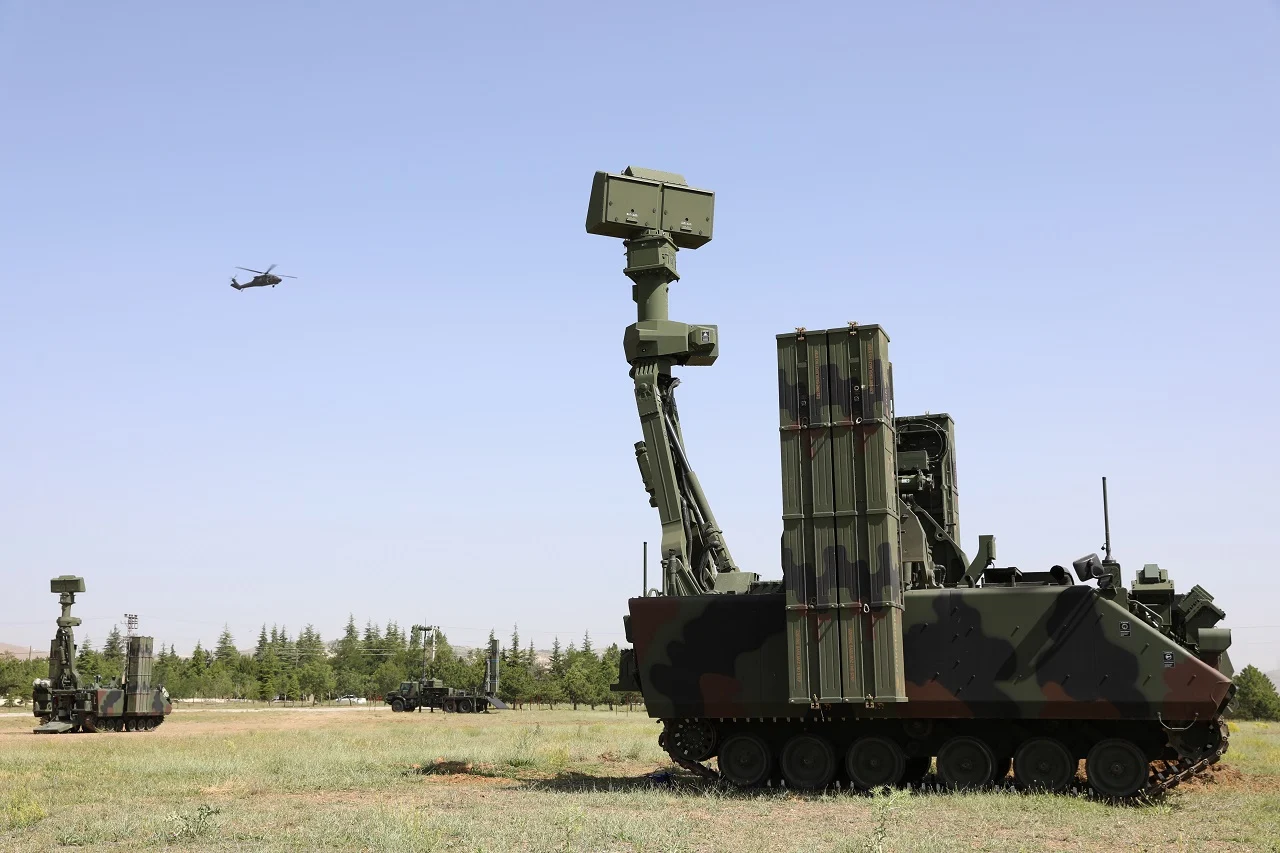
Hisar air defence gives Türkiye a stronger place in layered defence markets.
The Sudan UAV kill shows why that matters today.
Low-cost UAVs can create high tactical pressure.
Therefore, mobile air defence systems now protect force survival.
The reported 14-kilometre detection and 4.5-kilometre intercept are important.
They show a working sensor-to-shooter chain in real conditions.
More importantly, the event supports Türkiye’s wider defence export narrative.
It links ASELSAN and ROKETSAN engineering to combat-relevant air protection.
As drone warfare expands, systems like Hisar will gain more attention.
They offer commanders a way to defend troops, bases and infrastructure.
Source: Ensonhaber