11
11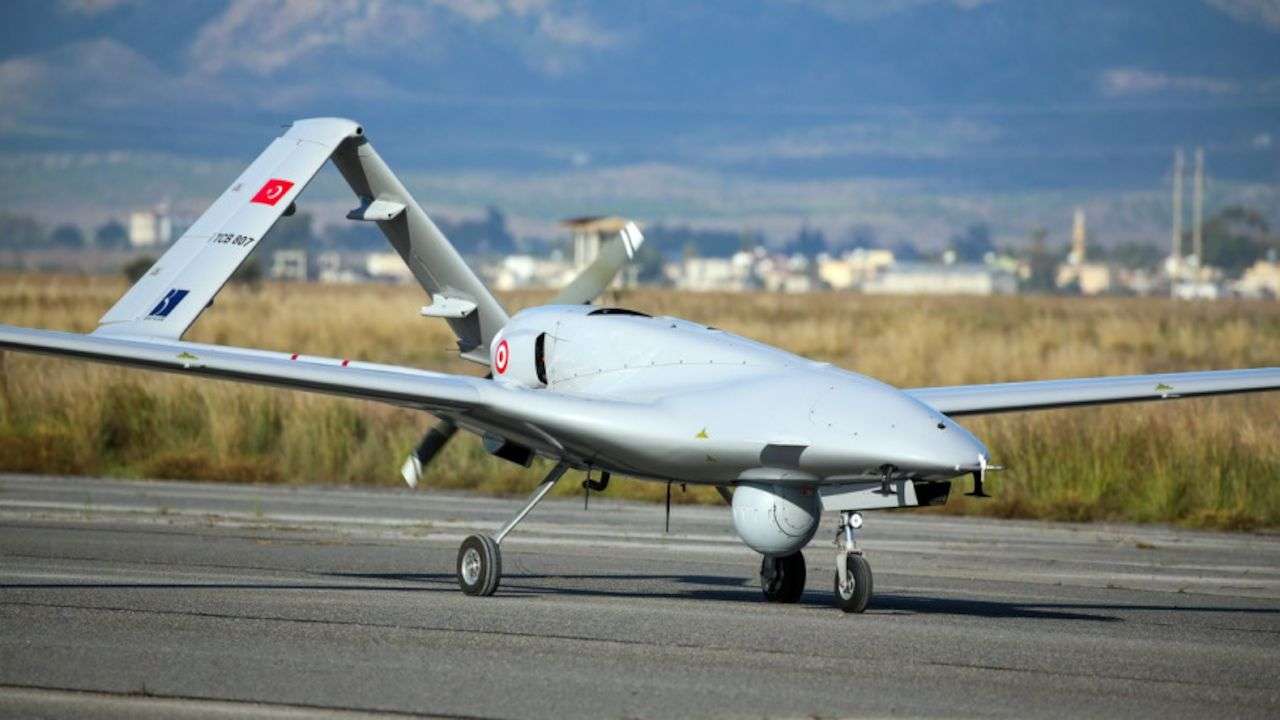
Turkey Japan drone cooperation could open a new defence industry track between Ankara and Tokyo.
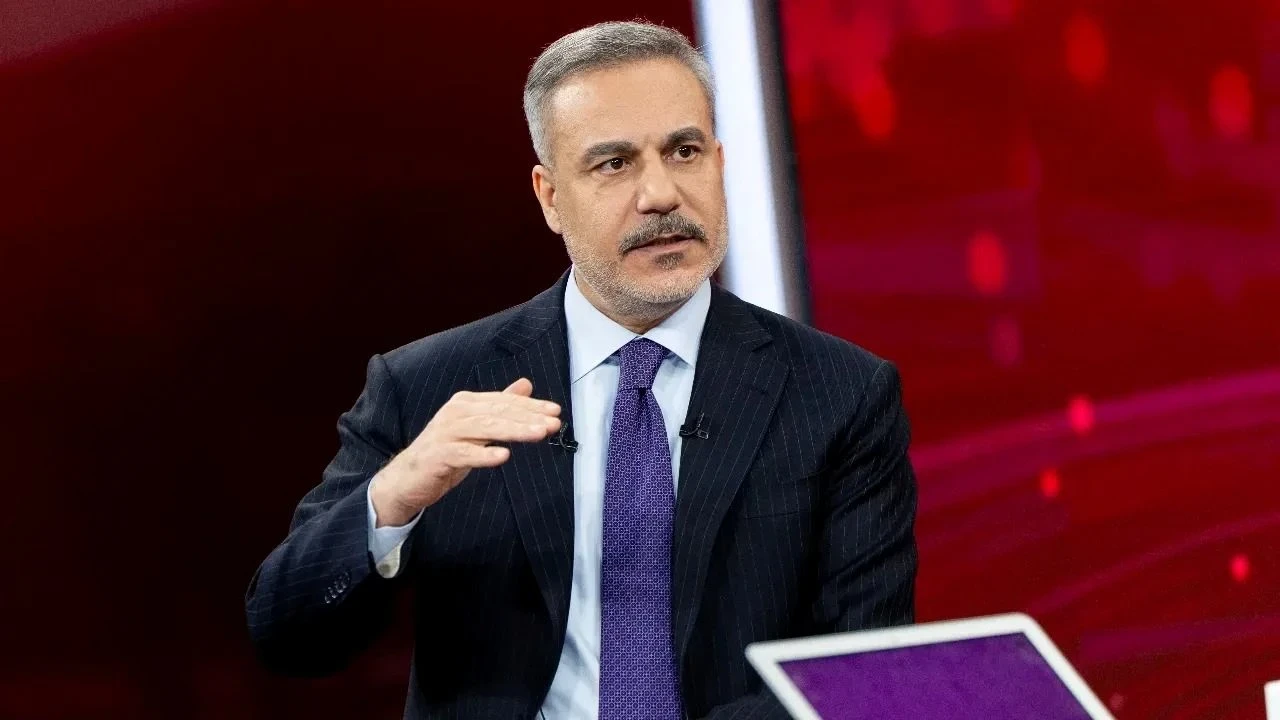
Foreign Minister Hakan Fidan sees strong defence industry potential with Japan.
He made the remarks in a special interview with Nikkei Asia.
The interview took place in Ankara on 25 May.
Moreover, Fidan framed drones as a practical area for deeper cooperation.
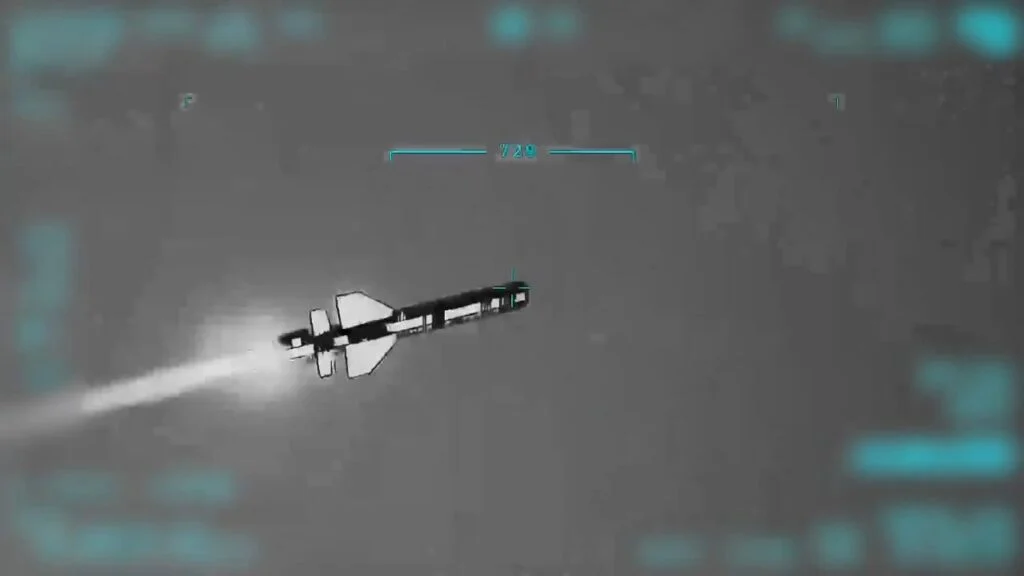
Fidan said Türkiye has become an important drone producer.
He also said Ankara wants deeper defence-industrial ties with Tokyo.
Turkey Japan drone cooperation could focus on joint development and production.
Therefore, both sides may gain from complementary industrial strengths.
According to Anadolu Agency’s report on Fidan’s Nikkei Asia remarks , UAV and anti-drone technologies form a major cooperation area.
Fidan said Turkish UAV technologies proved themselves in different environments.
He pointed to coastal and border security as possible areas.
These missions matter for Japan’s security planning.
In addition, they fit Türkiye’s recent drone export experience.
Fidan also stressed Türkiye’s aviation strengths.
He named unmanned systems and anti-drone technologies as key areas.
He said Türkiye has advanced, field-tested abilities in these fields.
Consequently, they could create a strong base for cooperation.
Türkiye’s drone sector already has strong global visibility.
Baykar’s Bayraktar TB2 helped build that reputation.
Ukraine used Bayraktar TB2 effectively against Russia.
Meanwhile, Turkish Aerospace Industries produces the ANKA platform.
TUSAŞ has exported ANKA to countries including Malaysia and Indonesia.
This gives Türkiye a wider unmanned aircraft portfolio.
Turkish firms also face competition in the Japanese market.
Sector sources cite US and Israeli defence companies as rivals.
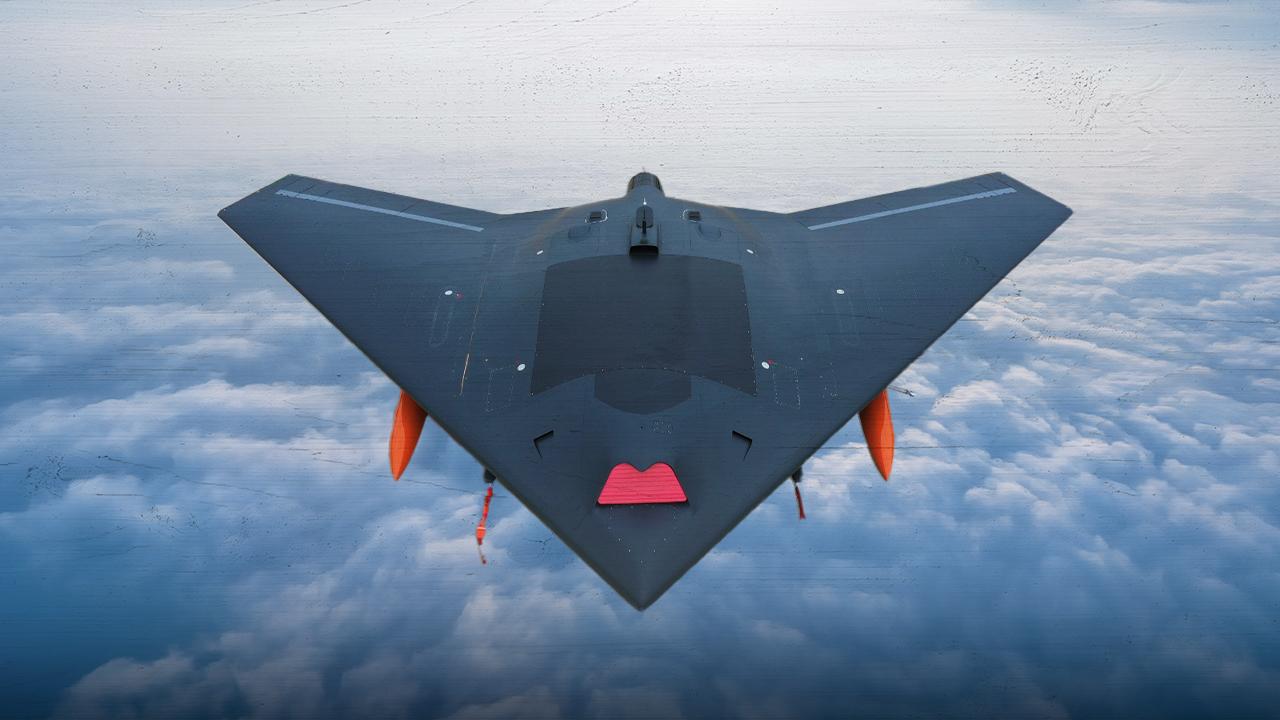
Japan is expanding defence abilities amid rising security pressure.
China’s fast-growing military power remains a major driver.
Global security tensions also push Tokyo towards new defence tools.
Because of this, unmanned systems now gain more importance.
Japanese firms have shown interest in working with Turkish companies.
More than 10 Japanese companies joined a matchmaking event.
The event took place in Istanbul in early May.
As a result, industry-level contact has already started.
Fidan also spoke about wider geopolitical uncertainty.
He linked this to the US “America First” approach.
He argued that middle powers should work much more closely.
This includes Türkiye, Japan, South Korea, Australia and Canada.
Fidan also named Saudi Arabia, Germany, France and the United Kingdom.
He said these countries need closer cooperation.
This message expands the issue beyond drones.
Instead, it places defence cooperation inside a wider strategic network.
Japan is Türkiye’s third-largest trade partner in Asia.
It follows China and South Korea in that ranking.
Bilateral trade reached $5.7 billion last year.
More than $5 billion came from Japanese exports to Türkiye.
The two countries have negotiated economic partnership and social security deals.
Those talks have continued for more than a decade.
Fidan said progress has emerged on the social security agreement.
He added that the latest round produced meaningful results.
Japanese workers currently pay contributions in both countries.
Therefore, a deal could ease business activity.
Fidan said wider cooperation potential remains untapped.
He named energy, digital transformation, aerospace and space technologies.
He also cited robotics and resilient supply chains.
Moreover, these fields match Japan’s advanced technology base.
Türkiye wants to become a major player in critical minerals.
Fidan pointed to rare earth element reserves in Beylikova, Eskişehir.
He said Ankara does not want extraction alone.
Instead, Türkiye wants high-value intermediate and final products.
Japanese technology and investment could create a win-win partnership.
Because of this, Fidan said Türkiye is ready to work closely.
For wider context, read our Air Systems coverage on DMX Defence.
Fidan has played a central role in regional diplomacy.
He became Foreign Minister in 2023.
Before that, he led Türkiye’s National Intelligence Organisation for over a decade.
He also remains one of President Recep Tayyip Erdoğan’s closest figures.
Fidan said a US-Iran agreement is closer than ever.
He said both sides want a positive outcome.
Türkiye supports Pakistan’s mediation efforts with Qatar and regional partners.
Meanwhile, Iran, the US and Israel have a ceasefire.
Fidan said talks now focus on the Strait of Hormuz.
The strait is critical for global oil trade.
He said disruptions have continued since late February.
The sides are studying a plan to reopen the strait.
After that, they could move to nuclear talks.
However, Fidan said the de facto blockade creates huge pressure.
Fidan also discussed Israel and regional security.
Türkiye and Israel have had diplomatic relations since 1949.
Before the Gaza war, bilateral trade reached $10 billion.
However, Türkiye stopped trade and set clear conditions.
Fidan said Israel must stop killing Palestinians.
He also cited Gaza’s food, shelter, medicine and water needs.
Fidan said Türkiye wants a two-state solution.
He criticised Israeli political narratives that frame Türkiye as a future threat.
He argued that Israel seeks more land, not only security.
He cited Gaza, the West Bank, Syria and Lebanon.
Fidan proposed a cooperative regional platform.
It could include Pakistan, Türkiye, Saudi Arabia, Egypt and Gulf states.
Iran could join if conditions normalise.
Israel could also join after recognising a Palestinian state on 1967 borders.
Türkiye will host a critical NATO summit in Ankara in July.
Fidan said Türkiye may invite Indo-Pacific partners.
Those partners include Japan, South Korea, Australia and New Zealand.
He said leaders and defence ministers could attend if allies approve.
The Turkish government is working with NATO Secretary General Mark Rutte.
Fidan suggested that invitations remain likely.
He also addressed US President Donald Trump’s possible attendance.
Fidan said Erdoğan and Trump spoke several times in the last month.
He said Trump never stated he would skip the summit.
Therefore, Ankara is preparing to host President Trump.
Turkey Japan drone cooperation matters because both countries face new security demands.
Japan needs more unmanned tools for surveillance, defence and deterrence.
Türkiye brings field-tested UAV and anti-drone experience.
Meanwhile, Japan brings advanced industry, sensors, robotics and capital depth.
The strongest opportunity may sit in coastal and border security.
These missions need persistent drones and strong counter-drone layers.
More importantly, this partnership could go beyond procurement.
Joint development would deepen industrial trust and reduce supply risks.
If structured well, the cooperation could support both sides.
It would link Türkiye’s drone experience with Japan’s high-end technology base.
Source: Nikkei Asia