 11
11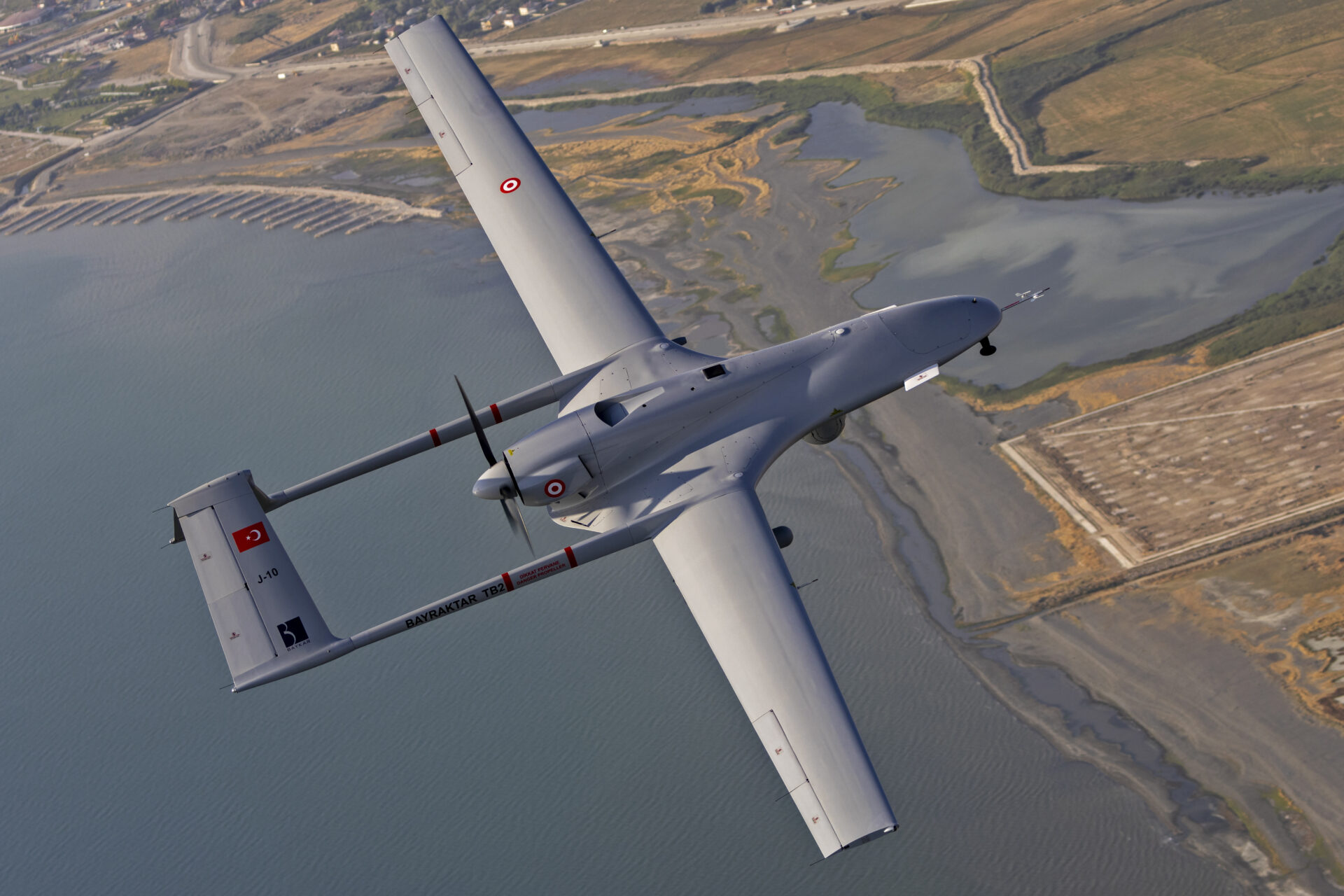
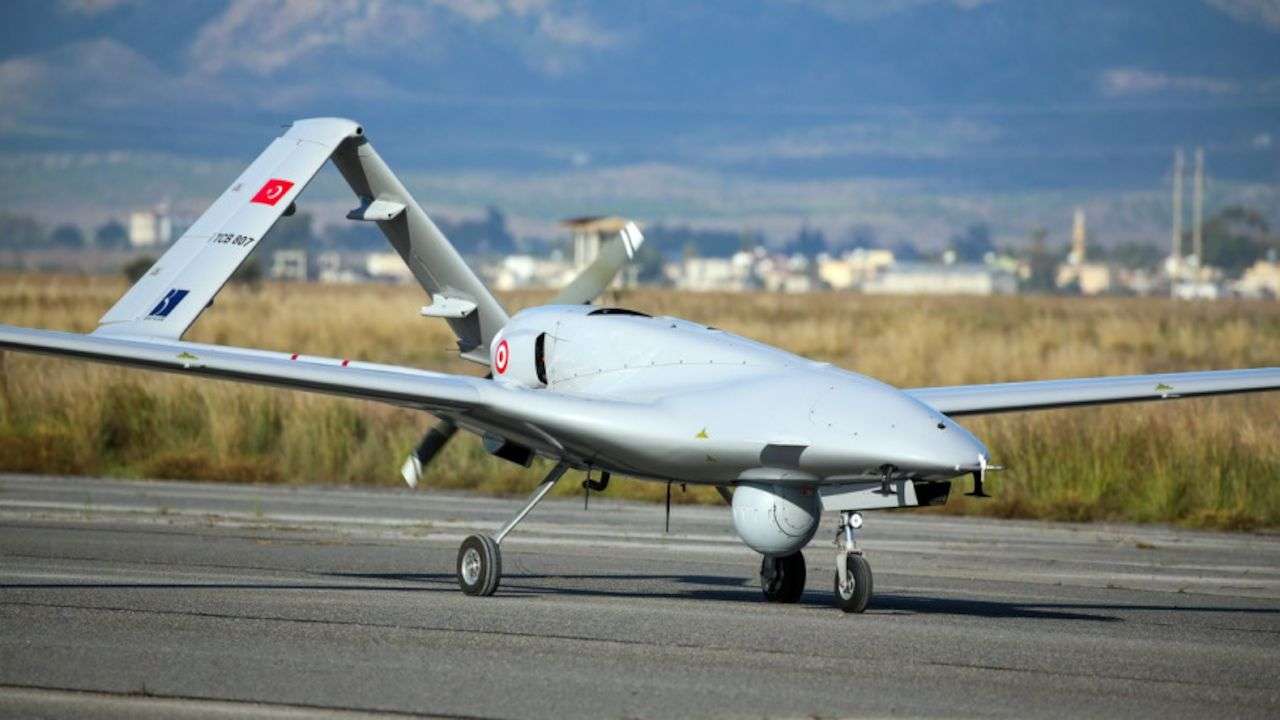
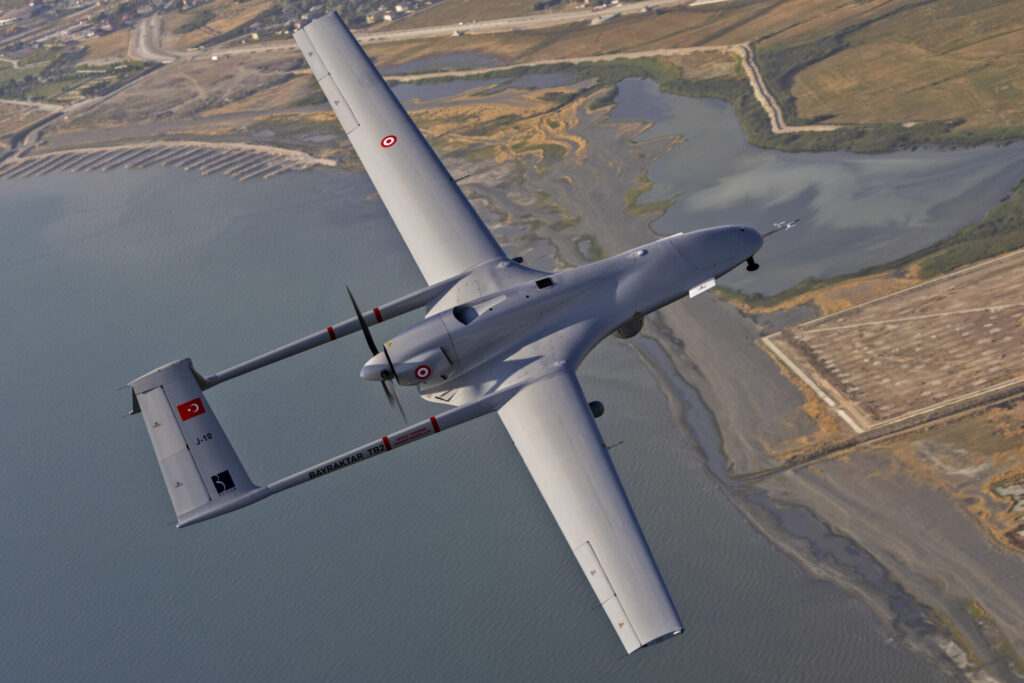
Turkey UAV regulation is moving towards tighter airspace control, stronger tracking and risk-based drone oversight.
Turkey’s Directorate General of Civil Aviation, known as SHGM, has prepared a new draft instruction for unmanned aircraft systems. The draft follows the rapid rise in UAV numbers and use across Türkiye.
The draft covers the design, production, market placement and operation of UAV systems in Turkish airspace. Moreover, it updates safety, security and technical procedures for a growing aviation sector.
The instruction aims to create a more structured UAV operating environment. It addresses both technical oversight and practical flight management.
According to SHGM’s official SHT-İHA draft announcement , the draft was opened for sector views on 22 May 2026.
The new framework divides UAV operations into three risk-based categories. These categories are open, specific and certified.
This structure gives SHGM a clearer way to match rules with mission risk. Therefore, low-risk activities and high-risk operations will not face the same oversight burden.
The certified category covers the most sensitive UAV operations. These UAVs will be allowed to fly over crowded groups of people.
They may also carry people and dangerous goods. As a result, this category will require stronger technical and safety control.
SHGM will issue airworthiness certificates for UAVs in the certified category. This step brings heavier oversight to operations with greater safety consequences.
The rule also signals a more aviation-like approach to advanced UAVs. In addition, it creates a clearer certification path for larger or more complex systems.
The draft separates some agricultural UAV activity from dangerous goods transport. UAV systems licensed by the Ministry of Agriculture and Forestry can apply permitted plant protection products without being treated as dangerous goods transport.
This matters for agricultural operators. It keeps crop-spraying activity regulated, but avoids placing it under a heavier hazardous cargo framework.
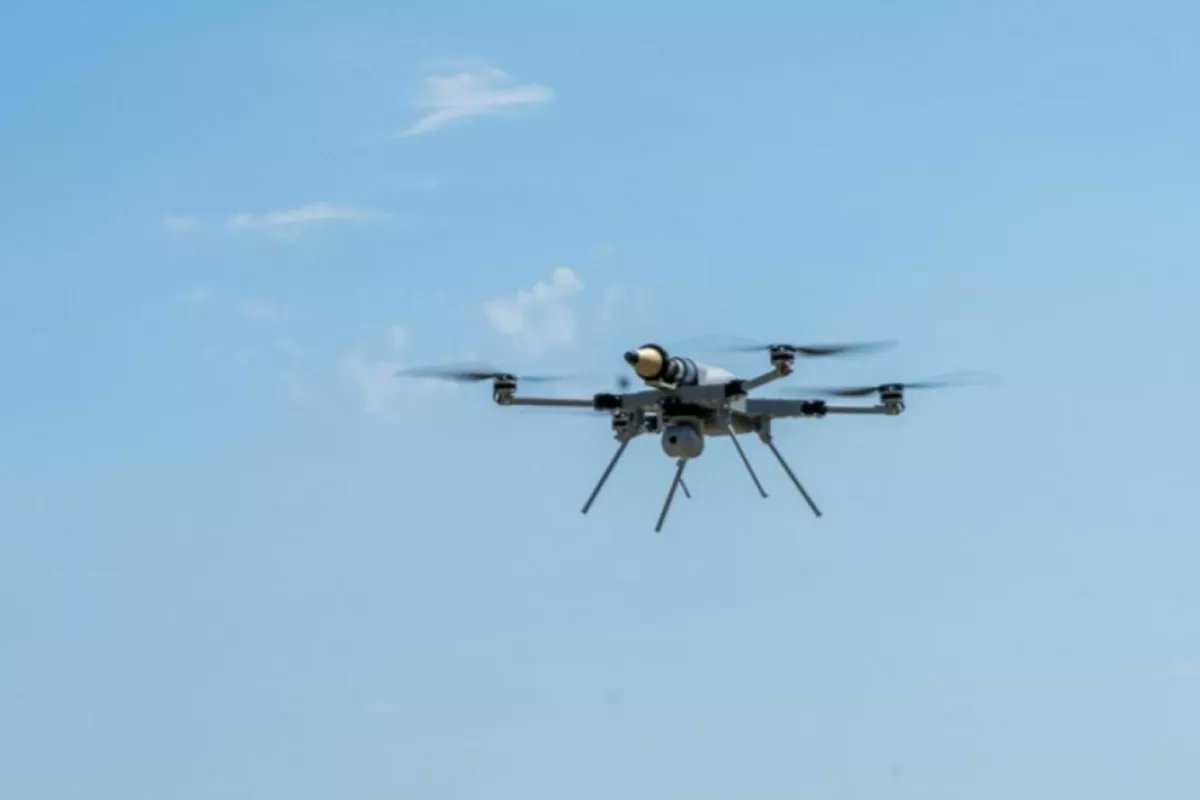
SHGM will establish and operate the UAV Tracking and Traffic Management System, known as İHATTYS. This system will improve registration, monitoring, inspection and authorisation processes.
İHATTYS will provide centralised real-time location tracking. It will also support flight safety assessments across Turkish airspace.
The system will monitor registered UAVs’ live position and flight status. It will also publish geographic zone data in machine-readable digital format.
SHGM will update this information in real time. Consequently, operators will receive clearer and more current airspace restriction data.
İHATTYS will record flight permission applications, approvals and cancellations online. These records will be documented through a traceable digital process.
The system will also detect conflicts when multiple UAVs request the same airspace. It will then warn operators about possible clashes.
For agricultural operations in green zones and outside residential areas, İHATTYS notification will be enough. In these cases, separate operational authorisation will not be required.
This keeps lower-risk agricultural activity more practical. However, it still gives SHGM visibility over the operation.
Foreign-registered UAVs will face a stricter permission process in Turkish airspace. Operators must apply to SHGM at least 20 days before any operation.
They must also submit valid operational authorisation from their home-country authority. In addition, they must provide risk analyses requested by SHGM.
SHGM, or authorised institutions, will confirm whether the submitted authorisation fits the planned site and conditions. They will also inform the operator about local airspace limits.
In emergencies, public security cases, media activity and disaster response, SHGM may shorten the application period. It may also issue temporary flight permission without applying the normal 20-day requirement.
Foreign pilots’ licences will not be accepted automatically. SHGM will assess recognition under reciprocity principles and international agreements.
This gives Türkiye more control over foreign UAV activity. Moreover, it helps align outside operators with national aviation and security expectations.
The draft places strong focus on operation location and local restrictions. That is important because UAV risk changes with airspace, population density and mission type.
Therefore, even an authorised foreign operator must meet Turkish operating conditions. This makes local airspace governance a central part of the system.
Registration Rules Expand
Several UAV operators will need to register in SHGM’s system. This includes operators in the specific or certified categories.
Open-category operators must also register if their UAV has a maximum take-off weight of 500 grams or more. Registration is also required if the UAV carries sensors that record personal data, such as cameras or microphones.
Certified-category UAVs must be registered in the SHGM Aircraft Registry. The same applies to UAVs with a maximum take-off weight of 150 kilograms or more.
These UAVs will also receive a registration mark. Registration and registry applications will be completed within 15 business days after other relevant institutions finalise their processes.
Remote pilots in the open and specific categories will face a minimum age limit of 16. This creates a defined baseline for UAV operation.
However, the draft includes exceptions. No minimum age will apply for C0-class UAVs, UAVs under 500 grams maximum take-off weight, or flights under direct supervision of a competent pilot over 16.
The age rule adds structure without blocking all light UAV activity. It also supports supervised learning for younger users.
Still, the operator and pilot remain responsible for legal and safe use. That responsibility becomes more important as UAV access expands.
Operators who breach the instruction will face administrative fines. These will follow the relevant provisions of Law No. 2920 on Turkish Civil Aviation and SHGM’s administrative fine regulation.
SHGM may restrict, suspend or cancel operational authorisations after safety inspections. It may also act against Light UAV Operator Certificates and pilot competency documents.
Flights without required permission or outside authorised areas will trigger administrative sanctions. If the act constitutes a crime, authorities may file a criminal complaint with the public prosecutor under the Criminal Procedure Code.
The draft also covers terrorism and illegal use concerns. Operators and pilots must take measures against terrorist and unlawful use of UAVs.
Privacy violations will fall under the Turkish Penal Code. This reflects growing concern over UAVs with cameras, microphones and personal data sensors.
Security is therefore not limited to airspace safety. It also includes privacy, public order and illegal-use prevention.
For wider context on unmanned systems, read our Air Systems coverage on DMX Defence.
Turkey UAV regulation is becoming more detailed because the UAV market is no longer small. Drones now affect aviation safety, privacy, agriculture, security and public order.
The strongest change is İHATTYS. Real-time tracking and digital permission records can give SHGM better airspace awareness.
The certified category also points to future growth. Flights over crowds, people-carrying missions and dangerous goods operations require a more mature legal system.
The 20-day rule for foreign UAVs adds national control. However, emergency and disaster exceptions keep the system flexible.
For industry, the draft creates clearer pathways for advanced UAV operations. For operators, it also means heavier responsibility, registration and compliance demands.