 11
11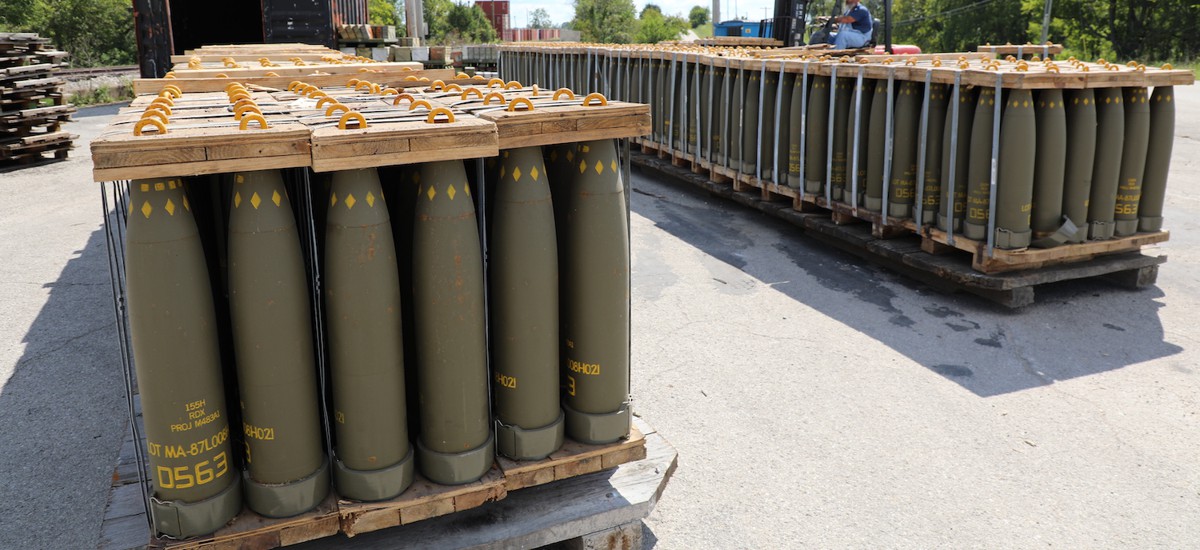
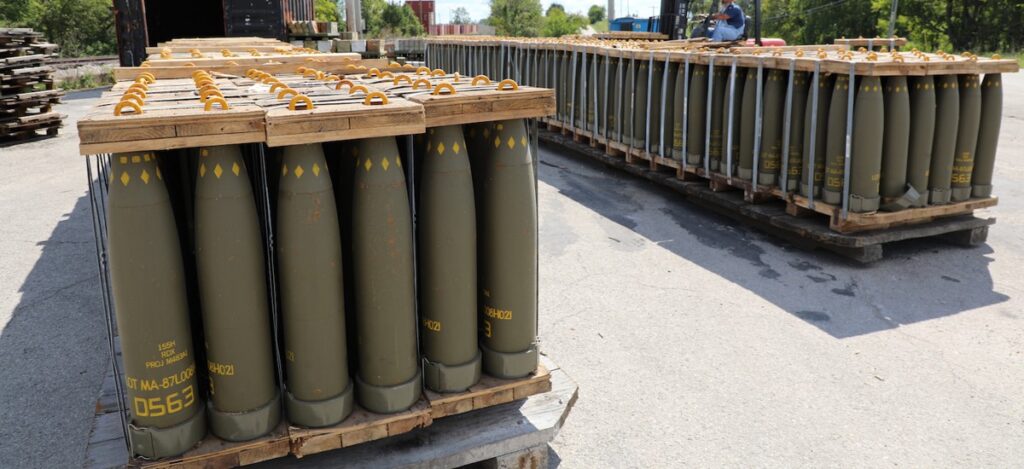
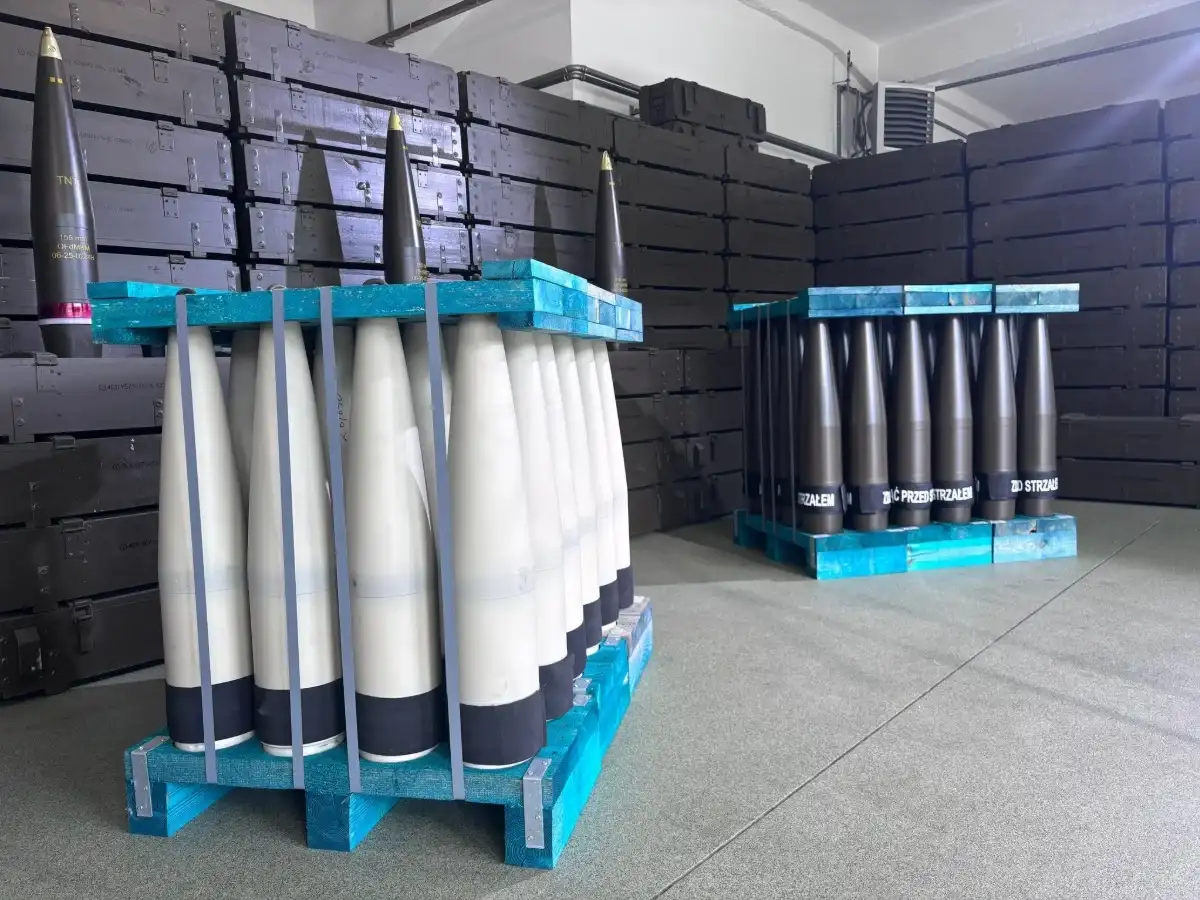
155mm ammunition production in Poland is gaining scale through a major PGZ and BAE Systems partnership.
Polish Armaments Group, known as PGZ, and BAE Systems received formal recognition on May 29, 2026. The British Embassy in Warsaw and the British Polish Chamber of Commerce presented the British-Polish Collaboration Award.
The award recognised their joint 155mm ammunition manufacturing programme in Poland. Moreover, it placed the project among the most important British-Polish industrial defence efforts.
The award came as Poland and the United Kingdom deepened their defence relationship. Earlier that week, both countries signed a defence partnership agreement in London.
Therefore, the PGZ and BAE Systems project now sits inside a wider NATO security push. It also reflects growing concern over Europe’s weak ammunition production base.
PGZ and BAE Systems signed their strategic partnership in September 2025. The agreement aims to establish a new 155mm artillery ammunition manufacturing facility in Poland.
The plan covers technology transfer, knowledge sharing and production support. As a result, Poland gains more than a simple assembly line.
According to BAE Systems’ official award announcement, the partnership joins UK technology with Polish industrial capacity.
The agreement helps Polish engineers and workers build lasting production knowledge. This matters because ammunition output depends on process skill, safety culture and supply depth.
Moreover, the partnership can support future cooperation on broader munitions and components. It may also strengthen work on energetics and explosives technologies.
BAE Systems brings long-standing artillery ammunition experience. The company manufactures ammunition at facilities in Wales and Sweden.
PGZ brings Poland’s national defence-industrial base into the programme. In addition, it gives Warsaw a direct path towards stronger sovereign shell production.
PGZ President Adam Leszkiewicz welcomed the award and praised the collaboration. He said PGZ benefits from BAE Systems’ experience and know-how.
However, he also stressed a second direction for the partnership. Polish explosives production technologies may also enter the British market through this cooperation.
That point makes the partnership more important. It is not only a one-way transfer from Britain to Poland.
Instead, both sides can bring useful industrial strengths. Poland has notable experience in energetics, which remains central to ammunition production.
Energetics include the chemical compounds that make ammunition work. Without stable supplies, shell output cannot grow at the needed pace.
Therefore, Polish knowledge in this field could support British and European needs. At the same time, BAE Systems can help Poland scale manufacturing quality and volume.
Poland has invested heavily in defence since February 2022. Russia’s full-scale invasion of Ukraine pushed Warsaw towards faster military growth.
Poland now spends more than four percent of GDP on defence. That is the highest share inside NATO.
Warsaw has signed major procurement deals in recent years. These include American HIMARS rocket artillery, South Korean K2 tanks and K9 howitzers.
Poland also ordered American F-35 fighters. Consequently, its wider rearmament drive creates strong ammunition and support demands.
For wider context, read our Land Systems coverage on DMX Defence.
The 155mm shell has become central to Europe’s security emergency. Ukrainian forces have fired these rounds in huge numbers since 2022.
This demand has exposed a serious production gap. Western factories have struggled to match the pace needed for a long high-intensity war.
European producers can make high-quality 155mm ammunition. However, the core challenge is output volume.
Modern artillery warfare consumes shells faster than peacetime planning expected. Therefore, every new production facility adds strategic resilience.
Sovereign ammunition production reduces supply chain risk. It also gives Poland more control during a crisis.
This does not remove the need for allies. Instead, it makes Poland a stronger contributor to NATO industrial resilience.
The new facility could shift Poland’s role inside Europe. It would move further from buyer status towards production leadership.
That shift matters because NATO needs more distributed ammunition capacity. A single-source supply model cannot support a major prolonged war.
Miroslaw Janicki, Director of BAE Systems Poland, linked the award to real output. He said BAE Systems remains committed to national security through 155mm artillery ammunition.
He also stressed great quantities and high quality. Therefore, the partnership focuses on practical battlefield supply, not symbolic cooperation.
155mm ammunition must meet strict safety and performance standards. However, NATO also needs far larger production numbers.
This is why knowledge sharing matters. It helps build output without weakening reliability, safety or standardisation.
A 155mm artillery shell weighs about 43 kg, or 95 lb, with its propellant charge. It is the standard NATO calibre for heavy field artillery.
Many major systems fire this round. These include the American M777, German PzH 2000, French Caesar and Polish Krab self-propelled gun.
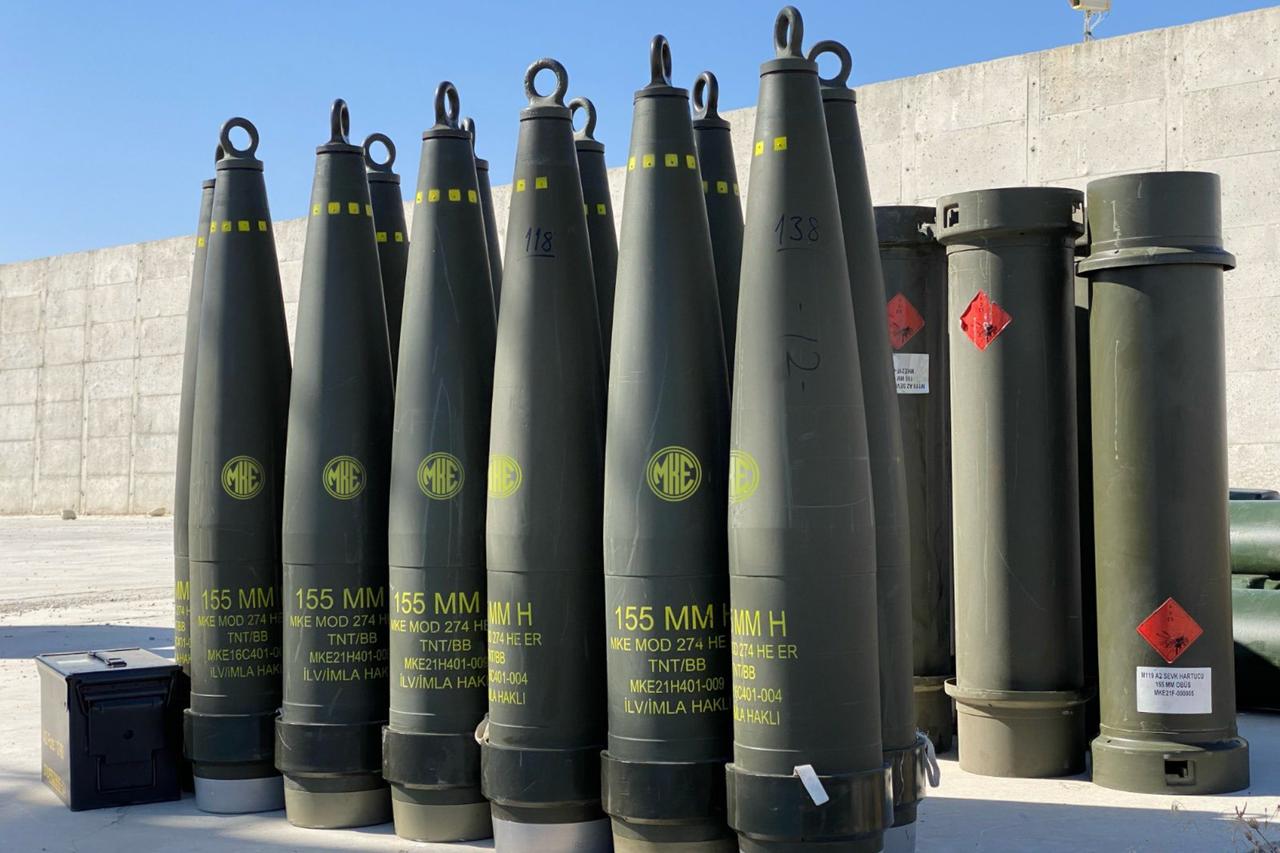
The Krab gives Poland an important domestic artillery platform. However, artillery systems need large and steady ammunition flows.
Therefore, local 155mm production supports both national defence and allied readiness. It can also help sustain training, stockpiles and crisis response.
Dame Melinda Simmons, Britain’s Ambassador to Poland, framed the award within broader economic ties. She said the UK-Poland economic partnership is stronger than ever.
She also linked cooperation to investment, trade, energy transition, new technologies and security. As a result, the ammunition programme fits a wider bilateral agenda.
Defence industry now sits at the centre of European security planning. Ammunition production, in particular, has become a measure of readiness.
Poland and Britain both understand that lesson from Ukraine. Consequently, this partnership carries direct military and political value.
155mm ammunition production is now a strategic issue for NATO. The Ukraine war showed that shell demand can exceed peacetime industrial plans.
Poland’s partnership with BAE Systems helps close that gap. It gives Warsaw a route towards more sovereign production and stronger supply security.
The project also strengthens allied resilience. More factories across Europe mean fewer bottlenecks during a crisis.
More importantly, the partnership combines British manufacturing expertise with Polish industrial capacity. That mix can support faster scaling and deeper knowledge transfer.
If the facility succeeds, Poland will gain more than shells. It will gain a stronger position inside Europe’s defence production network.
(Source: Defence Blog)