 11
11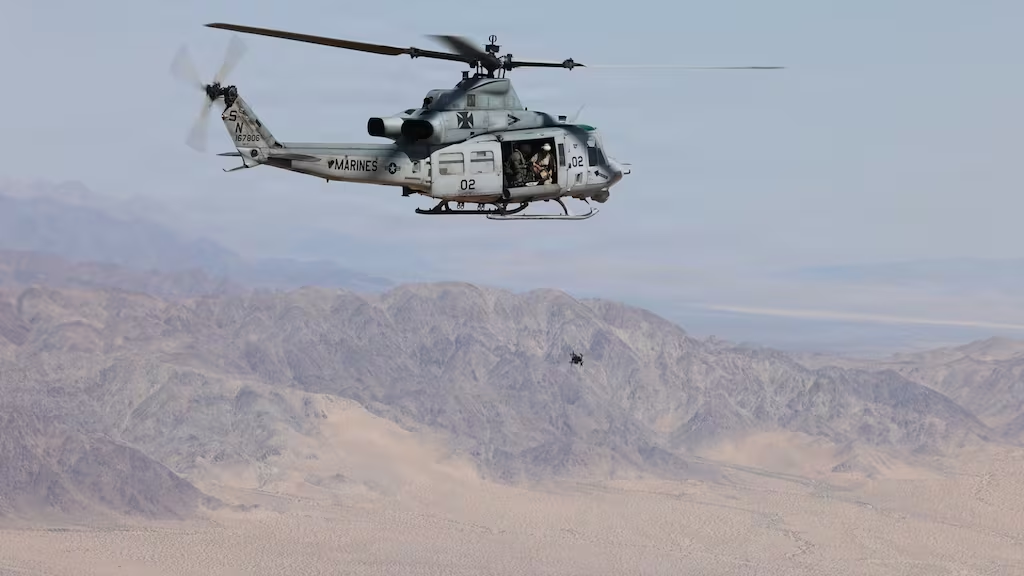
UH-1Y Venom is becoming a flying command post for low-cost FPV drone warfare.
The US Marine Corps has tested a new air-control concept.
It used the UH-1Y Venom to guide FPV drones from the air.
The test took place during a recent exercise in Southern California.
Moreover, it paired the helicopter with an FPV kamikaze drone for the first time.
The concept turns a crewed helicopter into a mobile command centre.
Therefore, operators can control drones from beyond ground-control limits.
This approach also links low-cost drones with classic air platforms.
As a result, Marine aviation gains a cheaper forward strike option.
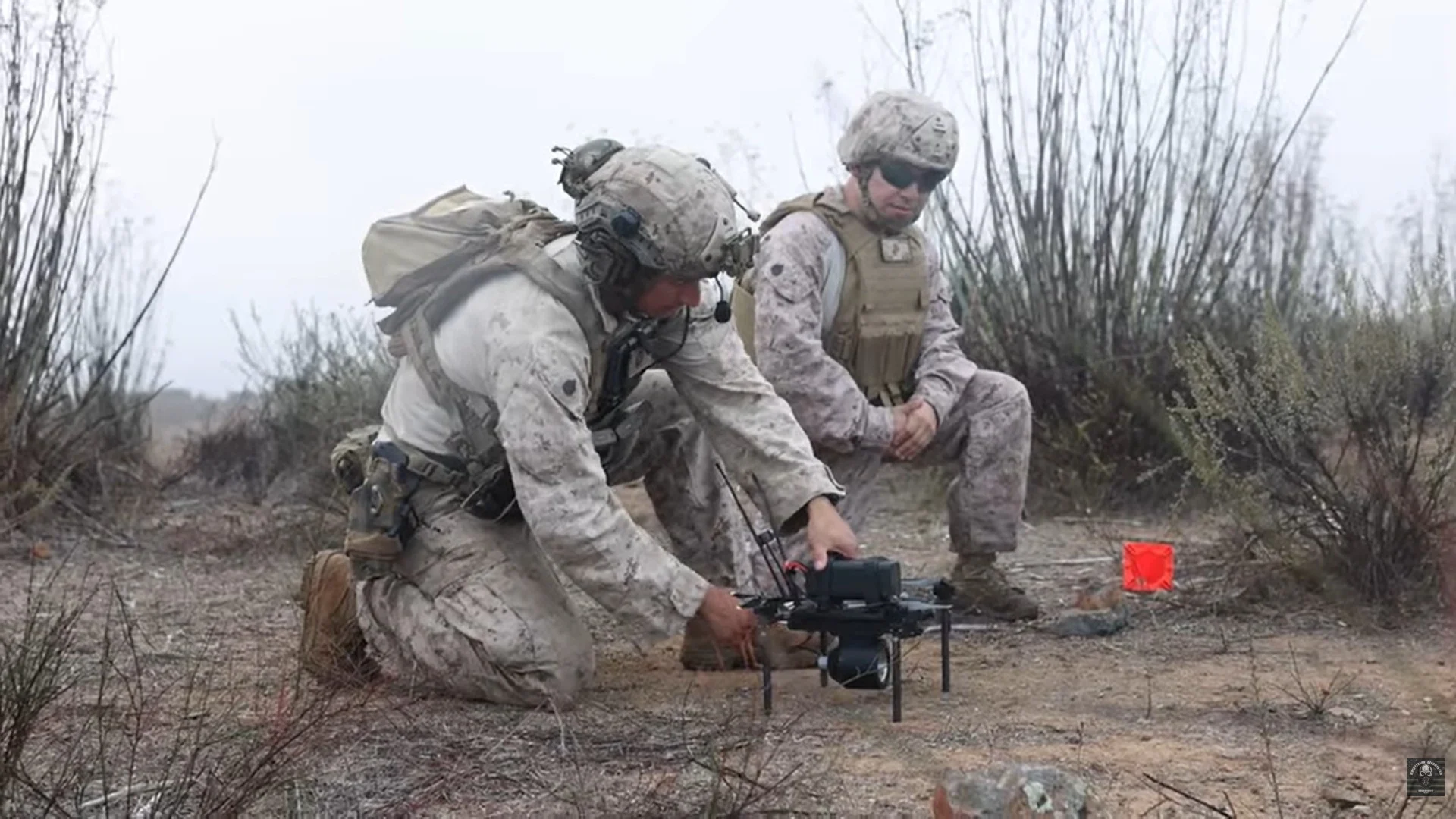
The Marines used a Neros Archer FPV drone during the trial.
Ground teams launched the drone first.
Then, control moved to operators aboard a helicopter kilometres away.
Defence News reported this as a key step for crewed-uncrewed aviation use.
The Marine Corps chose Neros Archer for a practical reason.
Infantry units already use the system in active roles.
Additionally, the drone has already proved itself in service.
Because of this, air-platform integration becomes easier and faster.
The test aimed to measure control-range growth.
The Marine Corps focused on UH-1Y Venom and AH-1Z Viper platforms.
Both aircraft could extend FPV drone reach.
Meanwhile, operators still receive live video through screens or goggles.
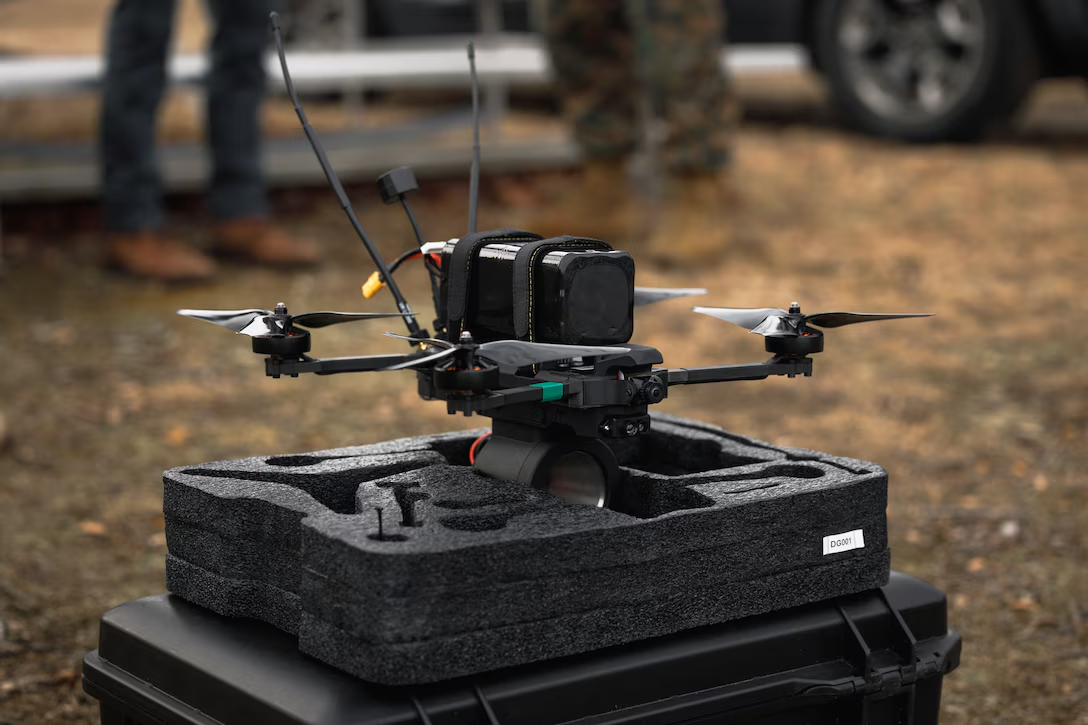
Altitude gives helicopters a stronger control position.
Consequently, FPV drones can fly beyond normal ground-control range.
This matters because terrain often blocks signals.
However, an airborne node can reduce that problem.
Captain Quinton Thornbury explained the test objective.
He serves as a UH-1Y Venom pilot with HMLA-169.
He said the team tested non-kinetic FPV drone deployment.
More importantly, they achieved that goal from a moving helicopter.
Captain Thornbury said the next step remains clear.
The team must verify drone manoeuvre control from inside the aircraft.
This would move the concept beyond a basic handover.
Therefore, the helicopter could become a real FPV control hub.
The Marine Corps also studied the AH-1Z Viper role.
Together, the H-1 fleet could support wider drone missions.
The official Marine Corps release described H-1 helicopters as airborne control platforms.
It also highlighted their role in extending FPV drone reach.
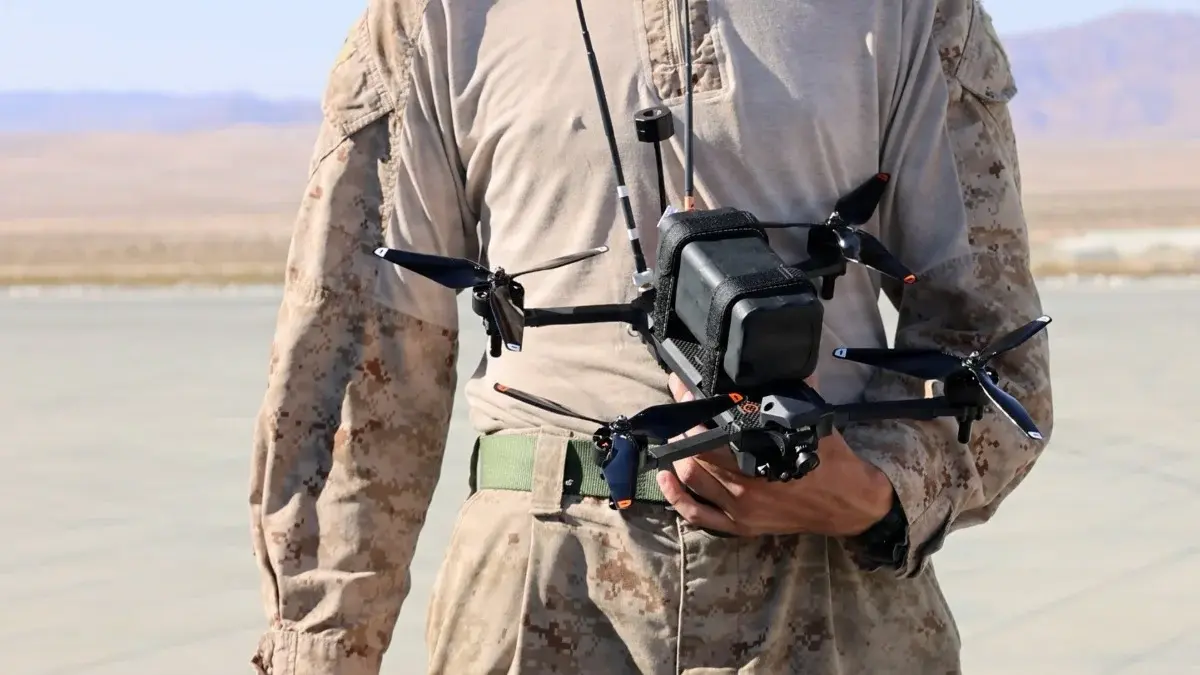
The test shows how manned-unmanned teaming is changing.
Instead of replacing helicopters, drones can extend their reach.
In addition, helicopters can stay farther from danger.
The drone then moves closer to the target area.
Low-cost UAVs now shape conflicts from Ukraine to the Middle East.
They changed how armies view risk, mass, and precision.
Therefore, armed forces must rethink their force structures.
They also need new doctrines and new cost models.
FPV drones create a strong cost imbalance.
A cheap drone can threaten expensive vehicles and positions.
Because of this, commanders need layered drone tactics.
The UH-1Y Venom concept supports that wider shift.
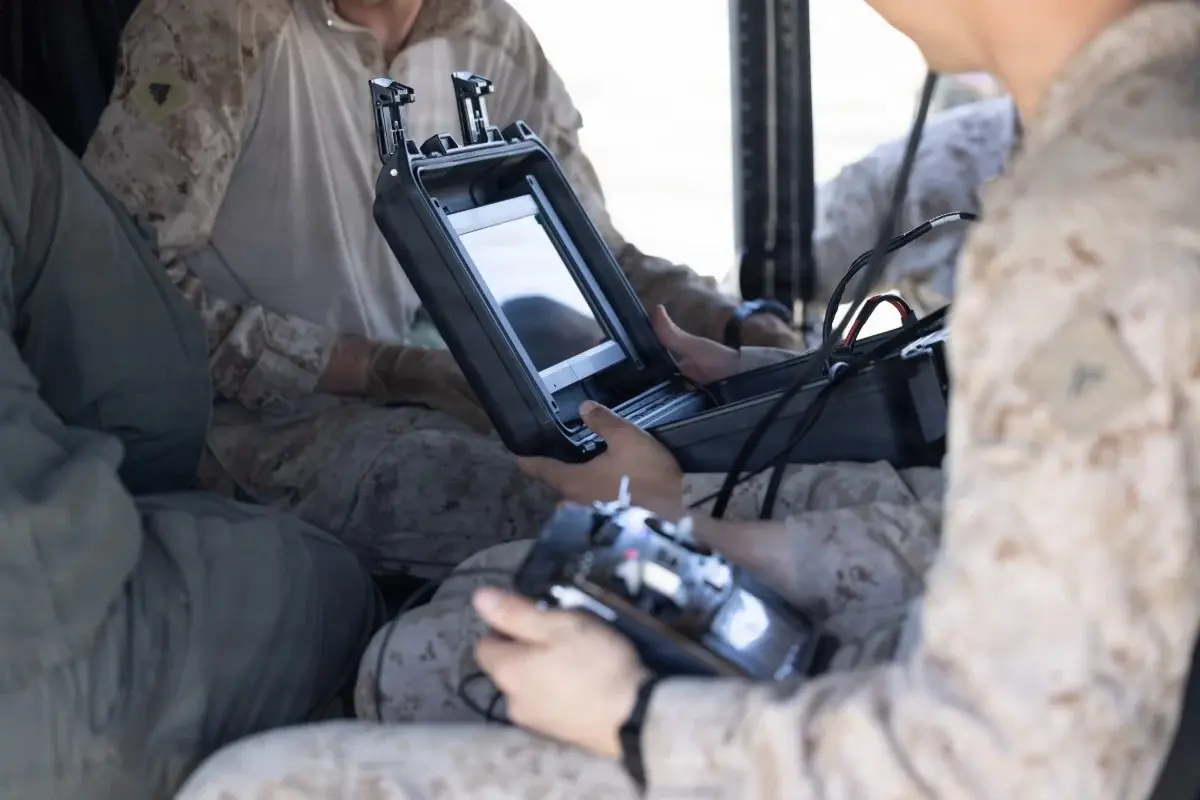
The US Marine Corps is quickly growing its FPV kamikaze drone fleet.
It has added more than 3,500 systems so far.
This number shows clear institutional momentum.
Moreover, it signals that FPV drones are moving into standard force planning.
The Southern California test was not just a technical trial.
It showed a new way to combine aircraft and expendable drones.
At the same time, it reduced risk for crewed aviation.
The drone can take the dangerous final leg instead.
The UH-1Y Venom test points to a larger battlefield trend.
Helicopters may soon work as drone command nodes.
This gives commanders more reach without exposing high-value aircraft.
Additionally, it lets low-cost drones carry more frontline risk.
More importantly, the concept supports distributed Marine operations.
As a result, small units can gain stronger strike options.
The key advantage is simple.
A helicopter can extend control while the FPV drone closes in.
Source: DefenceTurk