 11
11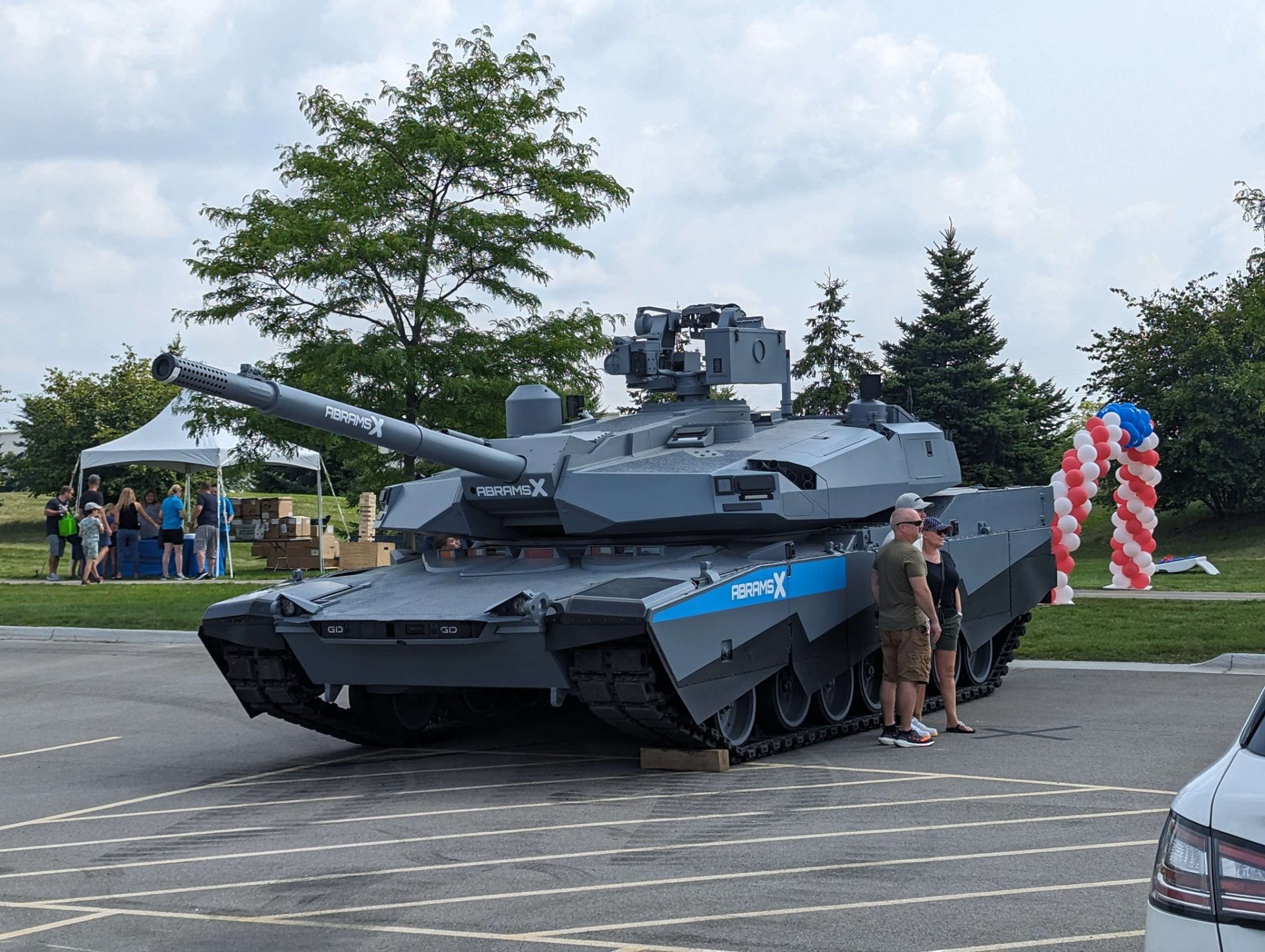
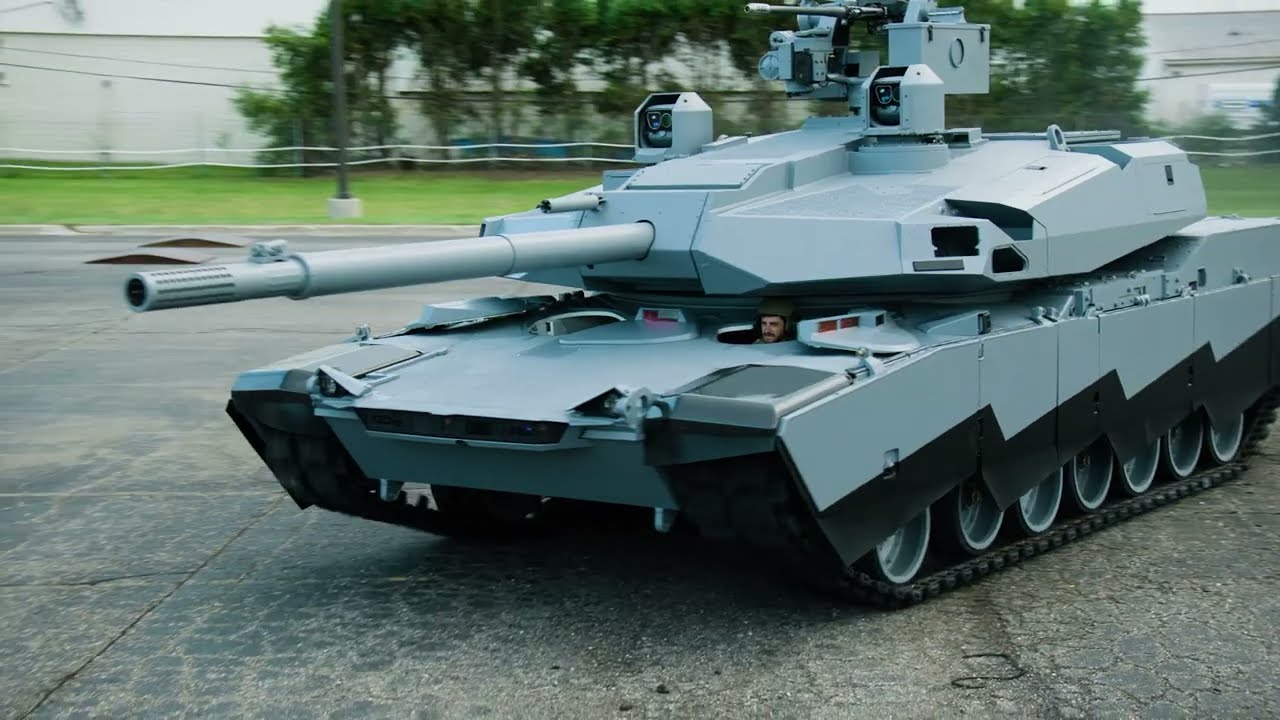
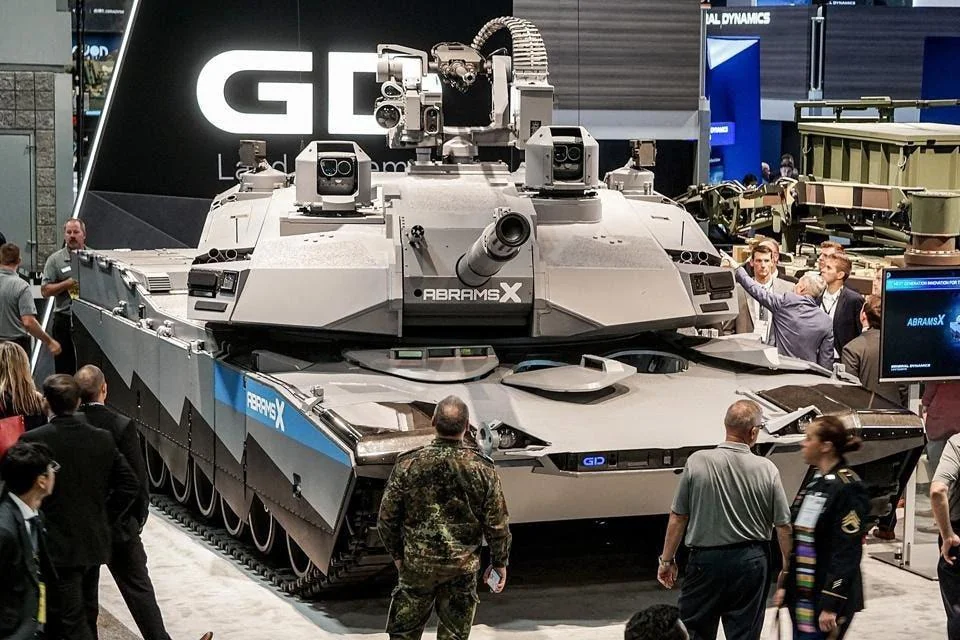
M1E3 Abrams will reshape America’s main battle tank for drone-heavy, high-intensity warfare.
The US Army shared new details on the next-generation M1E3 Abrams.
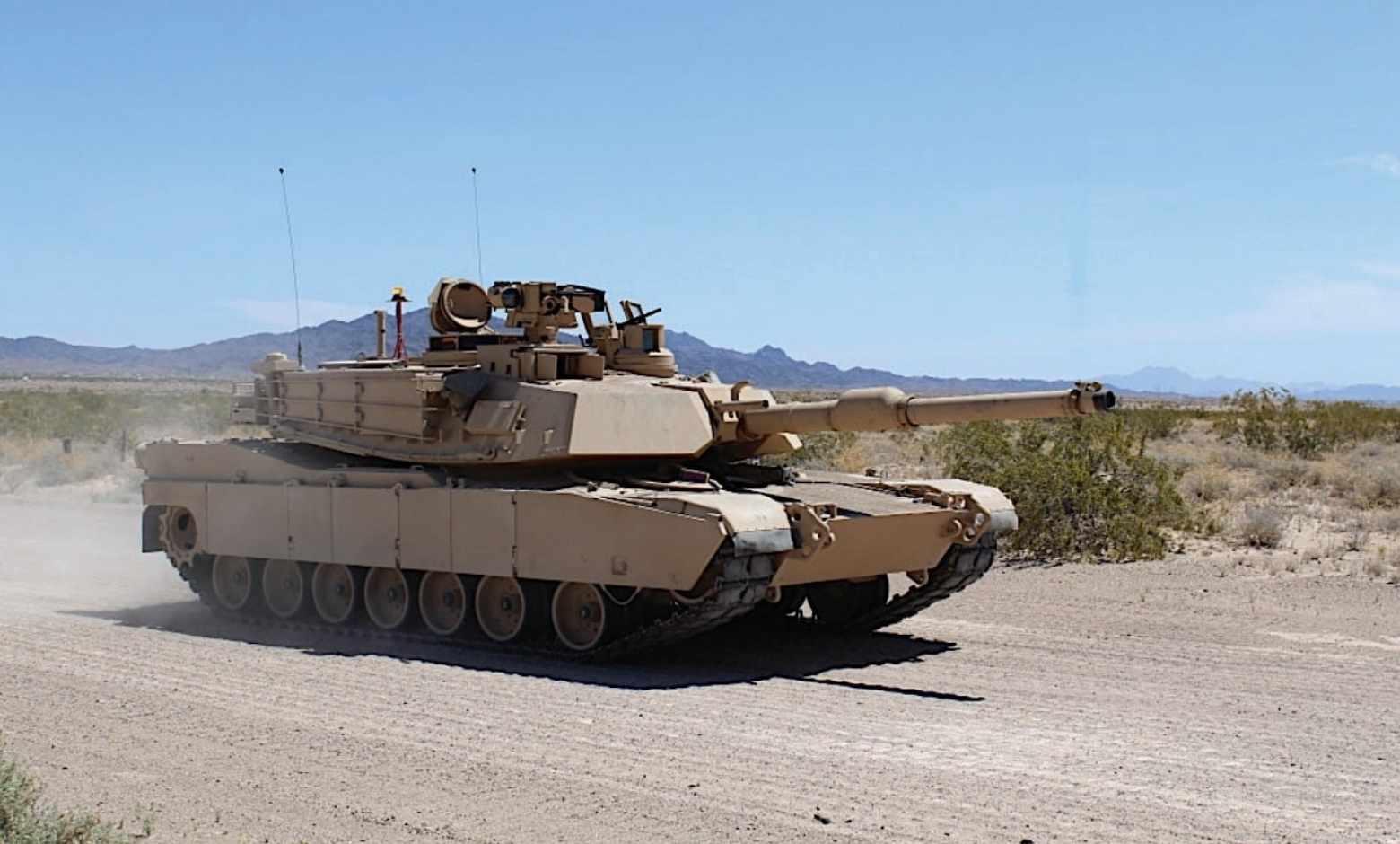
It will replace the current M1A2 SEPv3 variant.
The new tank uses a hybrid diesel-electric power pack.
Additionally, it adds an unmanned turret and an automatic loader.
The US Army designed the platform for modern combat threats.
These include kamikaze UAVs, FPV attack drones, and top-attack munitions.
It must also face precision-guided weapons.
Therefore, the tank moves beyond the classic Abrams design logic.
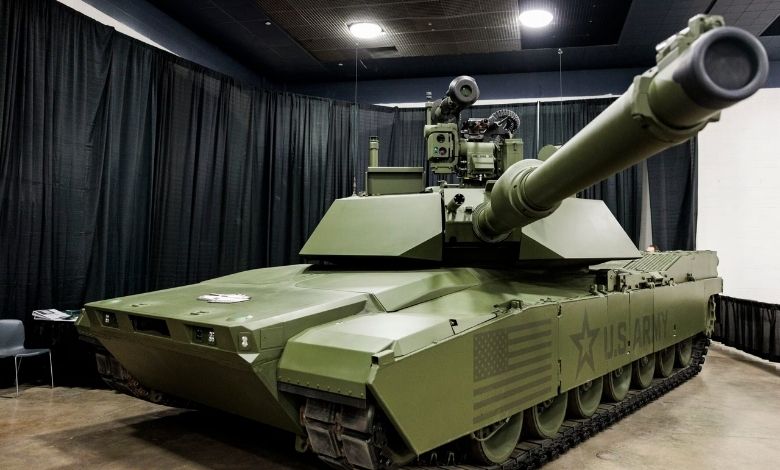
US Army Abrams Program Office officials outlined a new approach.
They described a different and modernised technical path for M1E3 Abrams.
The programme targets a lighter, smarter, and more protected tank.
Moreover, it aims to reduce the burden on crews and logistics units.
The US Army wants to cut weight sharply.
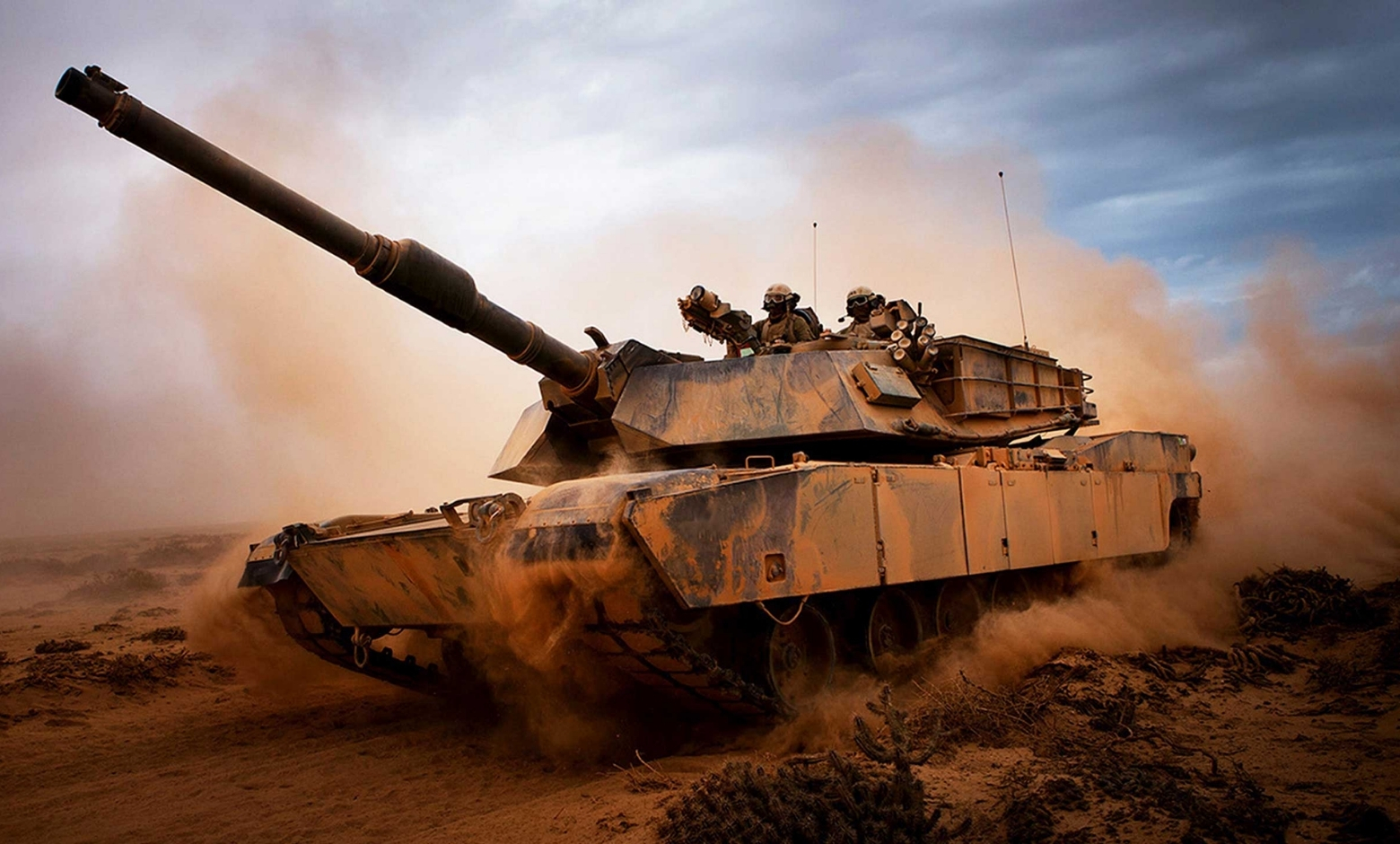
Other Abrams variants weigh around 73 tonnes.
However, the M1E3 Abrams aims for roughly 60 tonnes.
As a result, the platform should move more easily.
Lower weight should improve strategic deployment.
It should also improve bridge-crossing performance.
This matters in regions with weak infrastructure.
For example, the Indo-Pacific places strong limits on heavy armour.
A lighter M1E3 Abrams should reduce logistics demand.
Meanwhile, it should offer better movement across difficult terrain.
The US Army also expects more sustainable operations.
Because of this, the tank may stay useful for longer missions.
The hybrid diesel-electric drive forms a core upgrade.
It should reduce fuel use and increase operational range.
Additionally, it should lower thermal and acoustic signatures.
That makes the tank harder to find and target.
The new power system also supports future onboard systems.
These include advanced sensors and electronic warfare systems.
Furthermore, it can support active protection solutions.
It may also power future directed energy systems.
The US Army sees fuel supply as a major battlefield issue.
Enemy drones now target resupply lines more often.
Precision strike systems also threaten these routes.
Therefore, logistics sustainability now matters like armour protection.
Hybrid power can reduce fuel demand during long missions.
Consequently, commanders may need fewer exposed resupply movements.
At the same time, the tank gains more electrical headroom.
That matters as digital systems become more power-hungry.
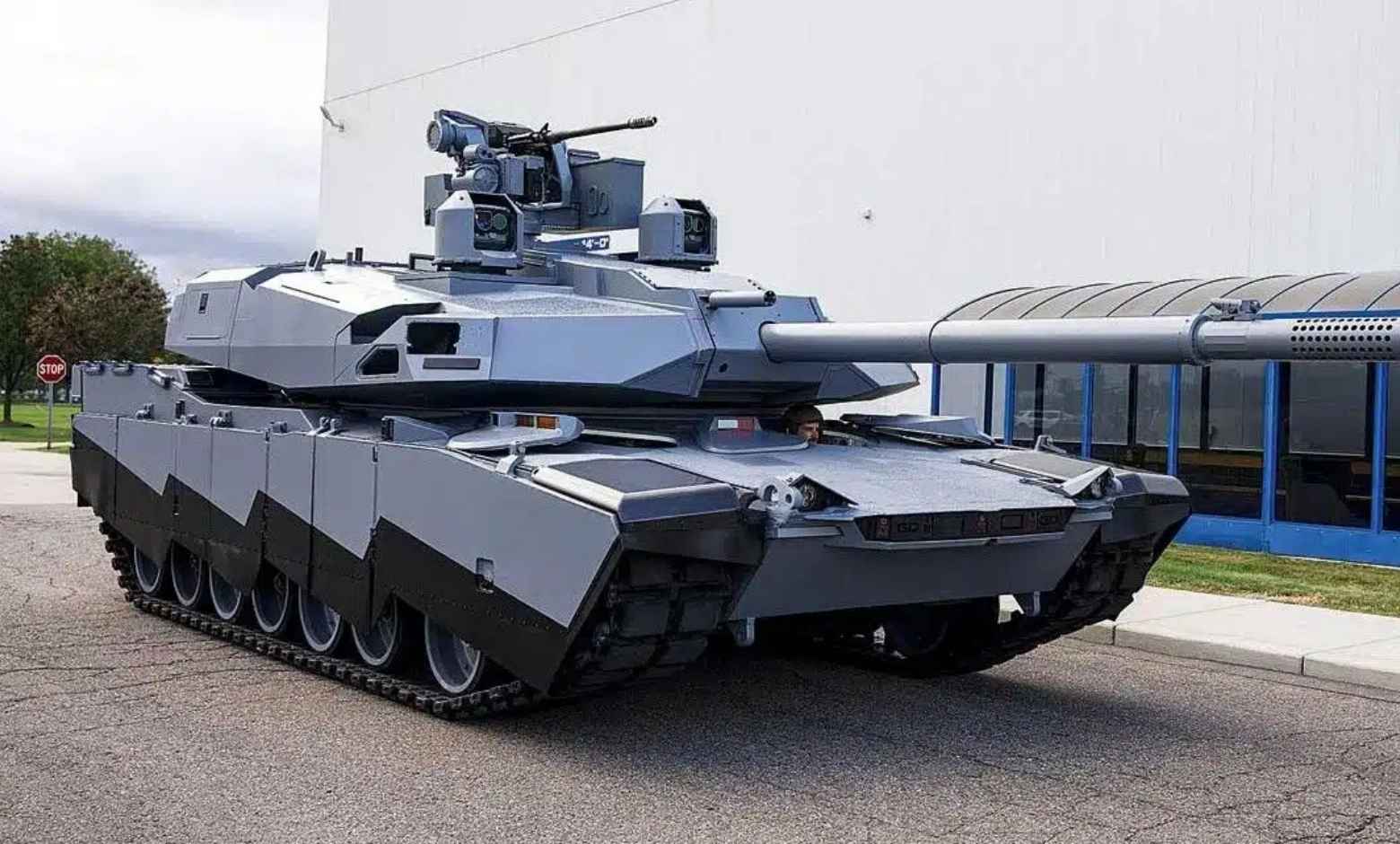
The US Army confirmed the unmanned turret and automatic loader.
This layout allows the tank to operate with three crew members.
The crew will sit inside safer hull areas.
More importantly, this improves protection against top-attack threats.
FPV drones changed the risk for armoured crews.
They can attack weak points from close range.
Drone-supported artillery also adds a constant threat.
Therefore, the M1E3 Abrams places crew protection at its centre.
The US Army said Ukraine war lessons shaped the programme.
The battlefield showed that thick armour alone cannot protect tanks.
Instead, tanks need electronic protection and low visibility.
They also need active protection systems and fast target detection.
Modern tank crews need constant situational awareness.
In contrast, older designs focused more on armour and firepower.
FPV attack drones, kamikaze UAVs, and anti-tank guided missiles changed the threat.
Loitering munitions and top-attack systems also raised the risk.
The US Army plans a deeper protection architecture.
It will not rely mainly on external add-on armour kits.
Instead, future protection will sit inside the vehicle’s design.
This marks a key change in Abrams development.
M1E3 Abrams will use active protection systems.
Additionally, it will include electronic warfare solutions.
The plan also includes signature reduction technologies.
Moreover, new-generation armour architectures will form one integrated structure.
The US Army continues to upgrade today’s Abrams fleet.
This work runs while M1E3 Abrams development moves forward.
M1A2 SEPv3 and other Abrams variants receive several upgrades.
These efforts aim to keep current tanks relevant.
The upgrades include Trophy active protection system integration.
They also include laser warning receivers and anti-UAV solutions.
Furthermore, the fleet gains high-resolution driver vision systems.
It also receives weather sensors and advanced digital engine control units.
These upgrades aim to raise reliability and protection.
They also improve maintenance and battlefield situational awareness.
M1E3 Abrams reflects a major shift in tank design.
The US Army no longer treats armour as the only answer.
Instead, it combines lower weight, hybrid power, and digital protection.
As a result, the tank should fit future drone-heavy battlefields.
More importantly, the design supports faster deployment in difficult regions.
That could matter greatly across the Indo-Pacific.