 11
11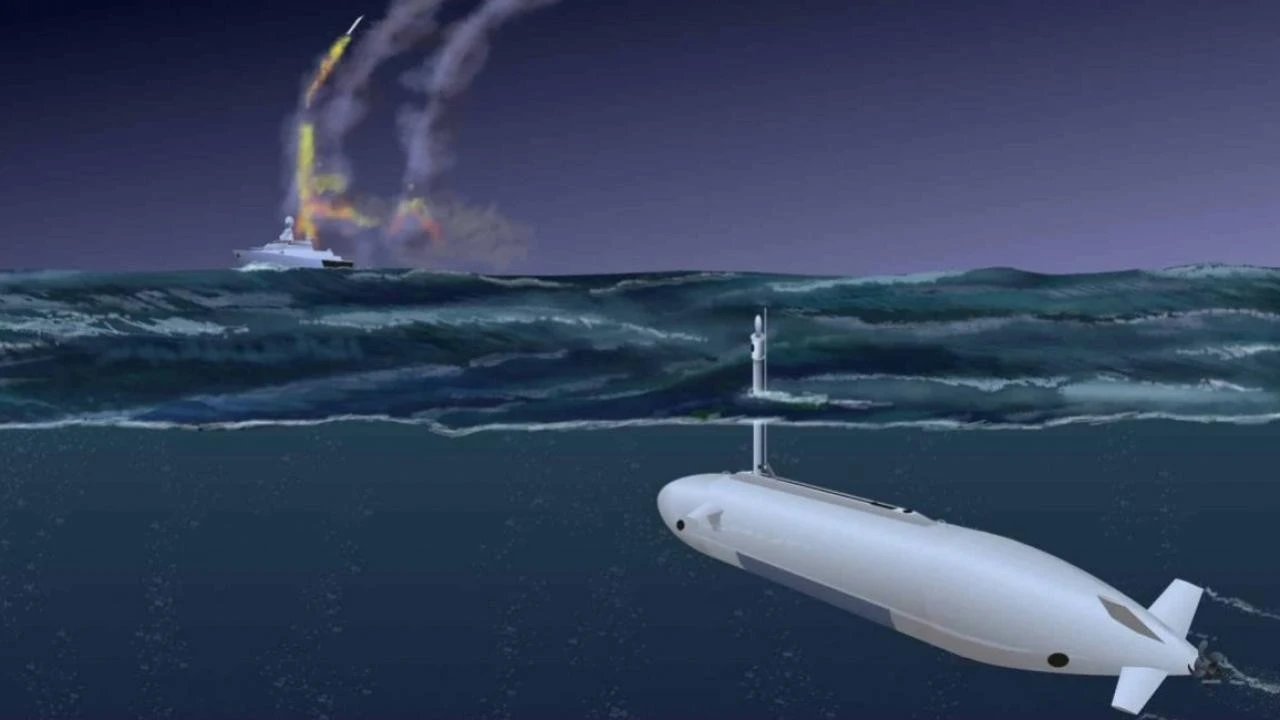
AUKUS underwater drones will give the United States, United Kingdom and Australia a new undersea warfare tool.
The United States, United Kingdom and Australia will develop unmanned underwater vehicle technology under AUKUS. The project is expected to become ready next year.
The three countries announced the plan as part of their wider security partnership. Moreover, the move shows how AUKUS now extends beyond nuclear-powered submarines.
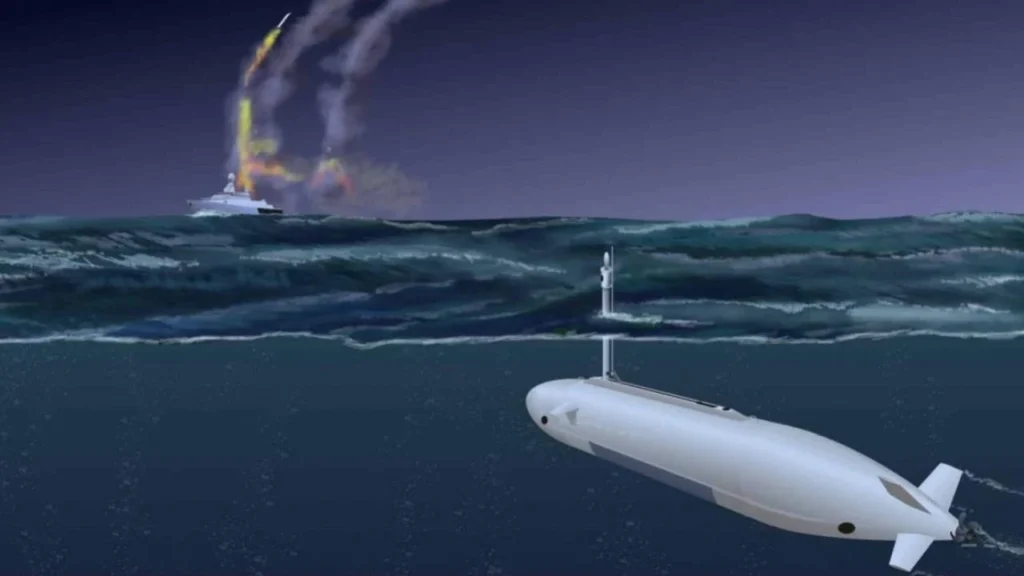
AUKUS underwater drones will support a new layer of maritime operations. They can help allied forces operate below the surface with fewer crewed risks.
The full project cost has not been announced. However, the United Kingdom said it will contribute $201 million.
US Secretary of Defense Pete Hegseth, UK Defence Secretary John Healey and Australian Defence Minister Richard Marles met in Singapore. The meeting took place during a security forum.
The three ministers announced the unmanned underwater vehicle technology during that meeting. Therefore, the project became a visible AUKUS defence priority.
The announcement gives AUKUS a stronger technology focus. It also shows that the pact is moving into practical battlefield systems.
According to the UK Government’s official AUKUS announcement, the new work will develop technologies carried by uncrewed underwater vessels.
John Healey said the United Kingdom will contribute $201 million to the project. He also said sensors and weapon systems will be developed for unmanned underwater vehicles.
Healey said the work would give allied forces advanced combat technologies. As a result, the project links industrial investment with direct military output.
The planned sensors will help UUVs detect and understand undersea activity. Meanwhile, weapon systems could give them a more active battlefield role.
This matters because undersea warfare is becoming more complex. In addition, seabed infrastructure now has growing strategic value.
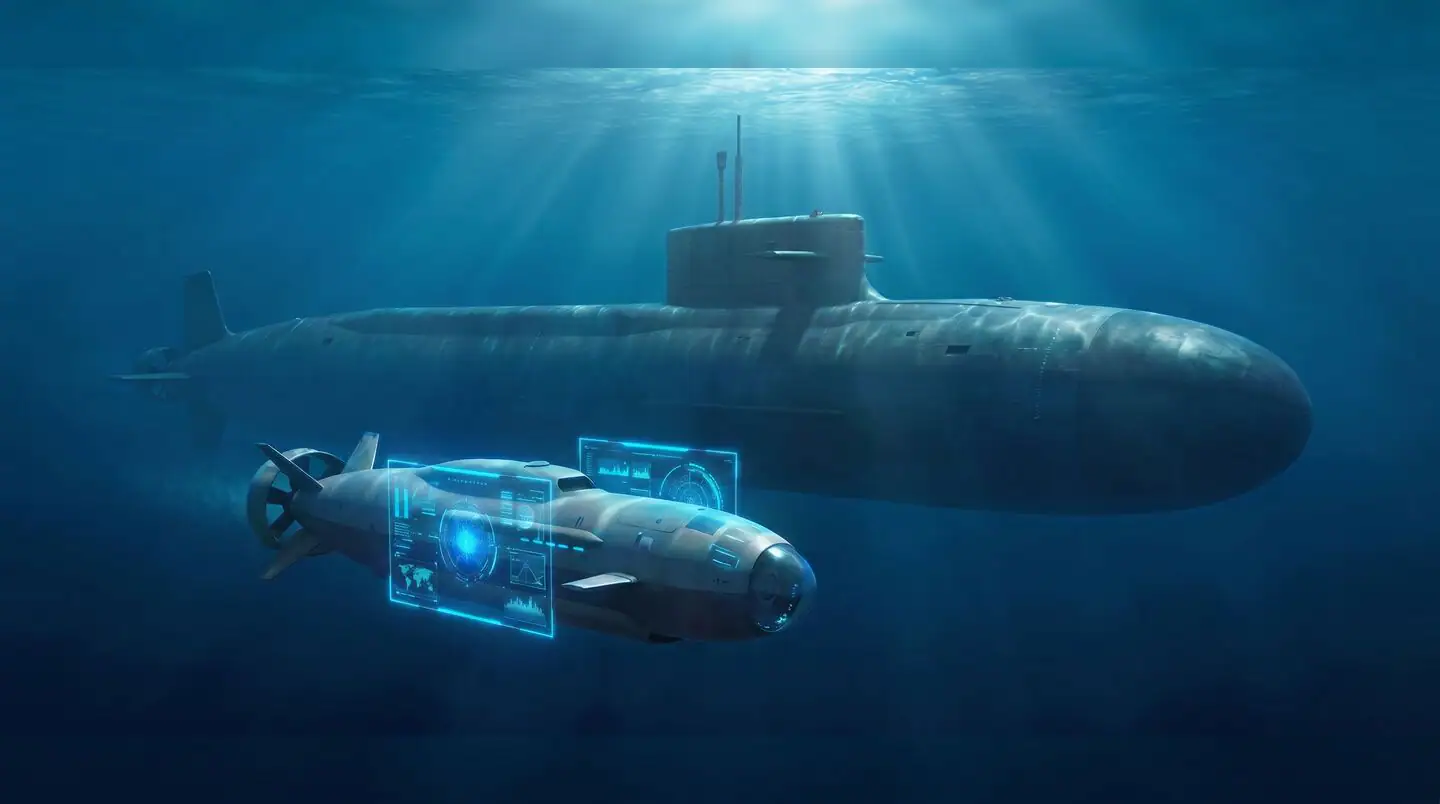
AUKUS underwater drones could support surveillance, strike support and seabed monitoring. They may also help protect critical undersea routes and infrastructure.
The project can reduce pressure on crewed submarines. Therefore, UUVs may act as forward scouts or support assets in contested waters.
Unmanned systems can enter areas too risky for crewed platforms. That gives commanders more options during high-risk maritime missions.
They can also stay hidden under the surface. Because of this, underwater drones can support deterrence without constant visible presence.
The UUV project sits beside AUKUS’s larger submarine plan. That plan aims to help Australia build a nuclear-powered submarine fleet.
In February, the Australian government said it would spend about $2.7 billion. The money will support shipyard construction for nuclear submarine production.
AUKUS was signed in September 2021 by the United States, United Kingdom and Australia. Its name comes from the English abbreviations of the three countries.
Under the pact, at least 8 nuclear-powered submarines will be built. The work will take place at shipyards in Adelaide, South Australia.
AUKUS aims to support Australia through US and UK technology transfer. The goal is a nuclear-powered submarine fleet for Canberra.
However, the new UUV project shows a wider technology route. It moves AUKUS into uncrewed systems, sensors and advanced undersea effects.
This wider approach matters for alliance planning. Submarines remain central, but uncrewed systems can add scale and flexibility.
AUKUS underwater drones can also support faster innovation. They may be easier to develop and adapt than major crewed platforms.
The agreement does not name China directly. However, the three countries have repeatedly cited rising regional security concerns.
That wording has led many observers to see AUKUS as a balancing pact. It aims to answer Beijing’s expanding military power in the region.
The Indo-Pacific has become more important for allied defence planning. Naval reach, seabed control and undersea awareness now carry higher strategic weight.
Therefore, unmanned underwater vehicles fit the region’s geography. They can support surveillance and deterrence across wide maritime spaces.
The United States announced in June that it would review the multi-billion-dollar agreement. The review came under the “America First” policy approach.
However, the US Department of Defense later decided to maintain support for AUKUS. That decision followed a 5-month review.
The decision reduced uncertainty around the pact. It also confirmed that Washington still sees AUKUS as strategically useful.
For wider context, read our Naval Systems coverage on DMX Defence.
Unmanned underwater vehicles can support missions that crewed platforms cannot always handle. They can operate in dangerous waters and gather data before forces arrive.
They also help distribute risk across more platforms. As a result, allied navies can build a wider undersea operating network.
AUKUS underwater drones could give the partners more persistent undersea presence. This could support protection of sea lanes, ports and critical seabed systems.
The technology may also help track threats before they reach allied waters. Therefore, UUVs could strengthen both defence and deterrence.
AUKUS underwater drones mark an important shift in the trilateral pact. The project shows that AUKUS is not only about future nuclear-powered submarines.
The key advantage is speed. UUV technology can reach forces faster than large crewed submarine programmes.
It also gives the three allies more undersea reach. This matters as maritime competition grows across the Indo-Pacific.
The UK’s $201 million contribution gives the project financial weight. Meanwhile, sensor and weapon development gives it real combat relevance.
Australia gains another route to undersea strength before its nuclear submarine fleet matures. The United States and United Kingdom also deepen industrial and operational alignment.
If the project succeeds, AUKUS will gain a flexible undersea tool. It could help protect infrastructure, monitor threats and support allied maritime dominance.
Source: AA