 11
11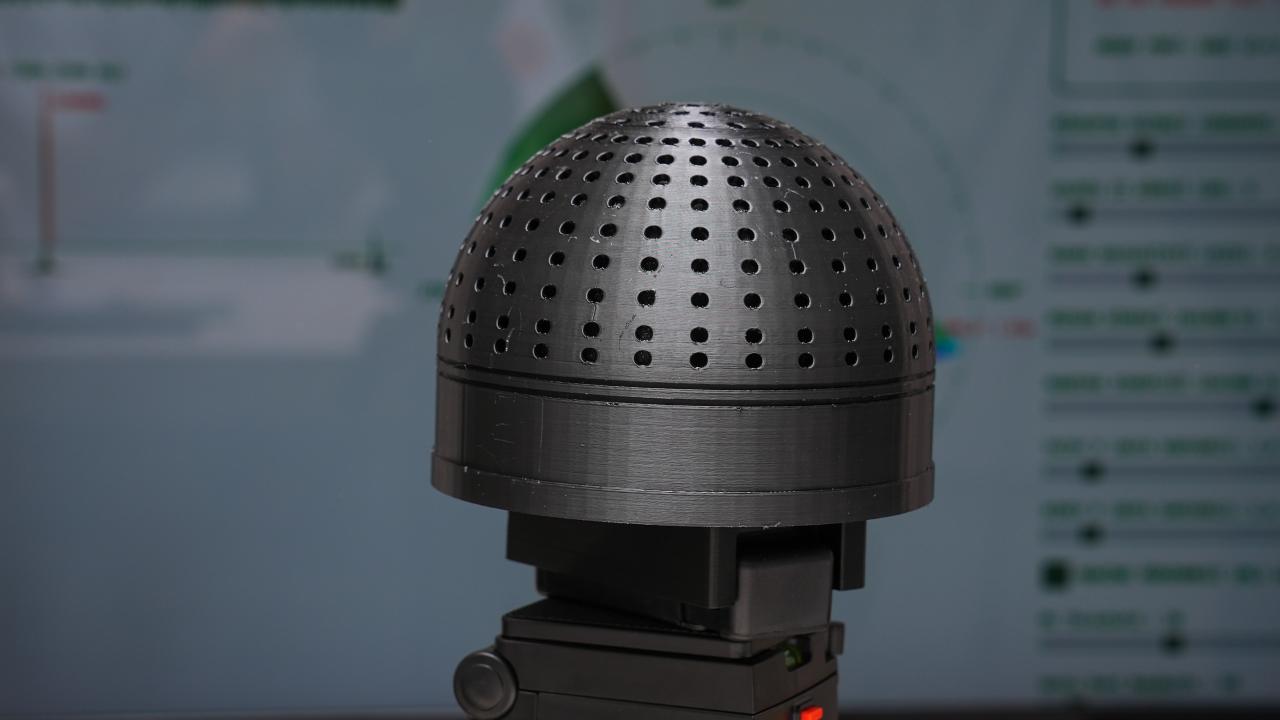
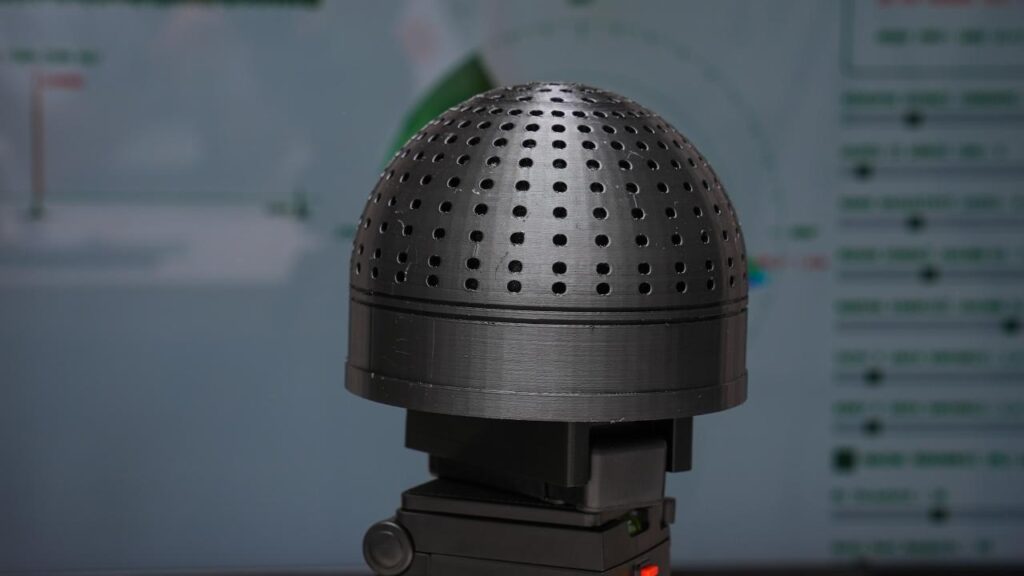
Acoustic drone detection has gained a new Turkish solution for passive early warning and tactical protection.
SAĞLAMTEK Havacılık Savunma has developed an Acoustic Drone Detection and Tracking System. The system aims to detect drones by their engine and propeller sounds.
The company works on reliable RF systems, antennas and electronic technologies for critical missions. However, it now wants acoustic sensing to support radar and electro-optical drone detection.
SAĞLAMTEK does not present the system as a direct radar replacement. Instead, it aims to complete radar and electro-optical sensors in layered drone defence.
This approach matters because no single sensor sees every threat. Therefore, acoustic drone detection can add another warning layer around protected sites.

Ömer Boyraz, Embedded Software Team Lead at SAĞLAMTEK Havacılık Savunma, explained the system’s main difference. He said standard RF radars actively send signals and can reveal their own position.
By contrast, this acoustic radar works passively and only listens. As a result, it uses very low power and does not transmit active radar energy.
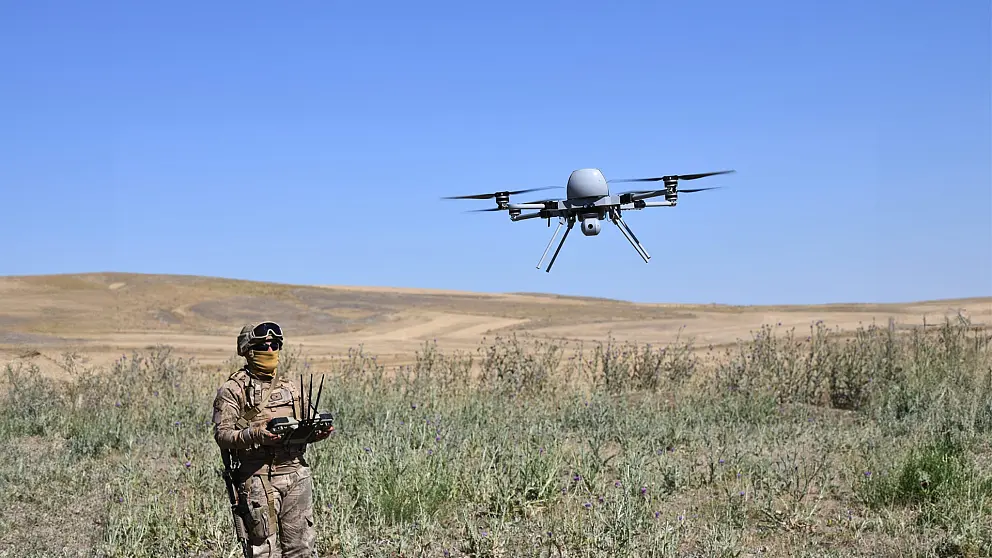
The system focuses on drone engine and propeller sounds. It can detect the presence or absence of a drone through those acoustic signatures.
Boyraz said the system can also identify direction across 360 degrees. Moreover, it can report horizontal and vertical direction clearly.
Standard radars can detect living species or almost any moving object. Boyraz said this can reduce efficiency in complex areas.
Acoustic drone detection helps narrow that problem. It listens for specific drone sound patterns instead of treating every movement as a likely target.
This passive method can support operators in crowded or cluttered zones. Therefore, it may help teams separate drone activity from other movement.
That feature could matter near bases, border areas and temporary positions. In addition, it can help reduce wasted attention during high-alert periods.
Boyraz said the system can provide early warning from kilometres away. Placement matters when units want to protect a zone or monitor a likely threat route.
The system can be placed parallel to the protected area or expected approach line. As a result, it can monitor whether drones pass through that zone.
Boyraz gave specific range figures for different drone sizes. He said the system can continuously track an average 50-centimetre drone from 570 metres.
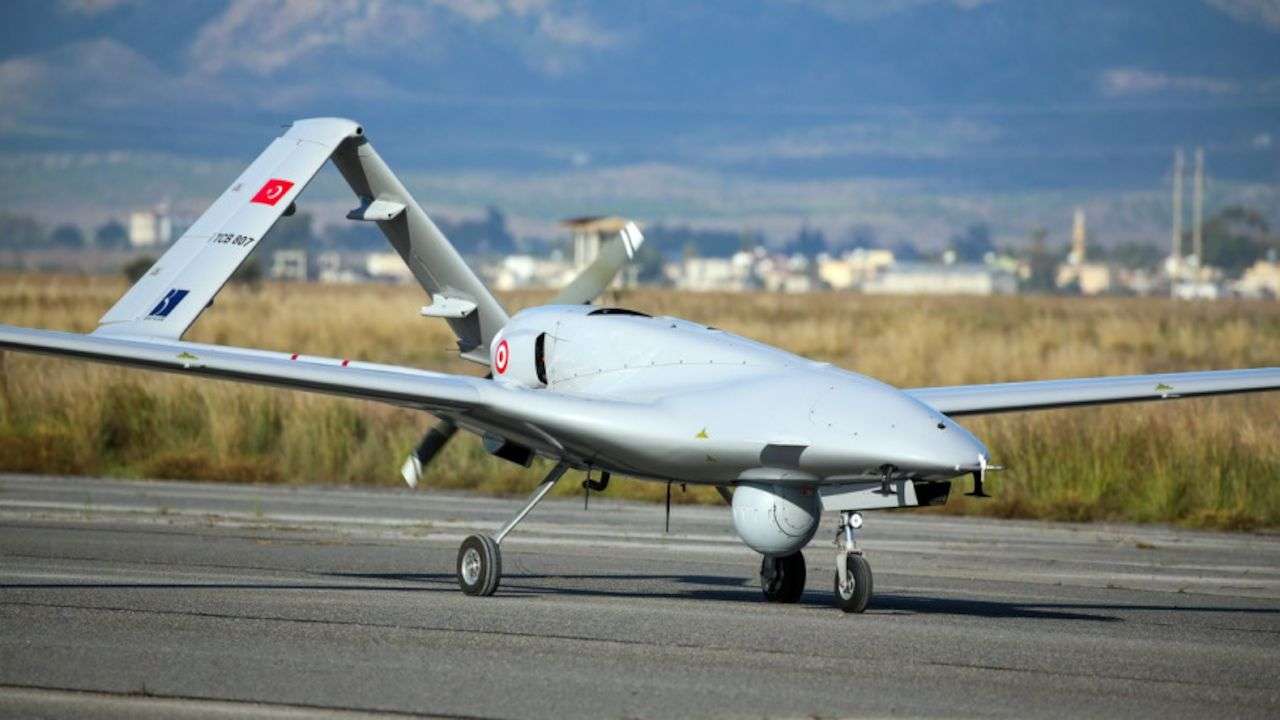
For larger 3-metre fixed-wing systems, the detection distance reaches up to 3 kilometres. This gives the system a wider role against bigger unmanned aircraft.
Boyraz said similar systems often only report the presence of a drone. He also said they can consume high energy while doing so.
SAĞLAMTEK’s system reports target direction and altitude with a small 5-degree error margin. Therefore, it can support faster cueing for cameras and effectors.
The system can work with camera-based systems and destruction tools. In that role, it functions as an acoustic radar within a wider counter-drone chain.
This means operators can receive a sound-based warning first. Then, they can point other sensors or response systems towards the threat.
According to SAĞLAMTEK’s official website, the company focuses on aerospace and defence electronics for mission-critical use.
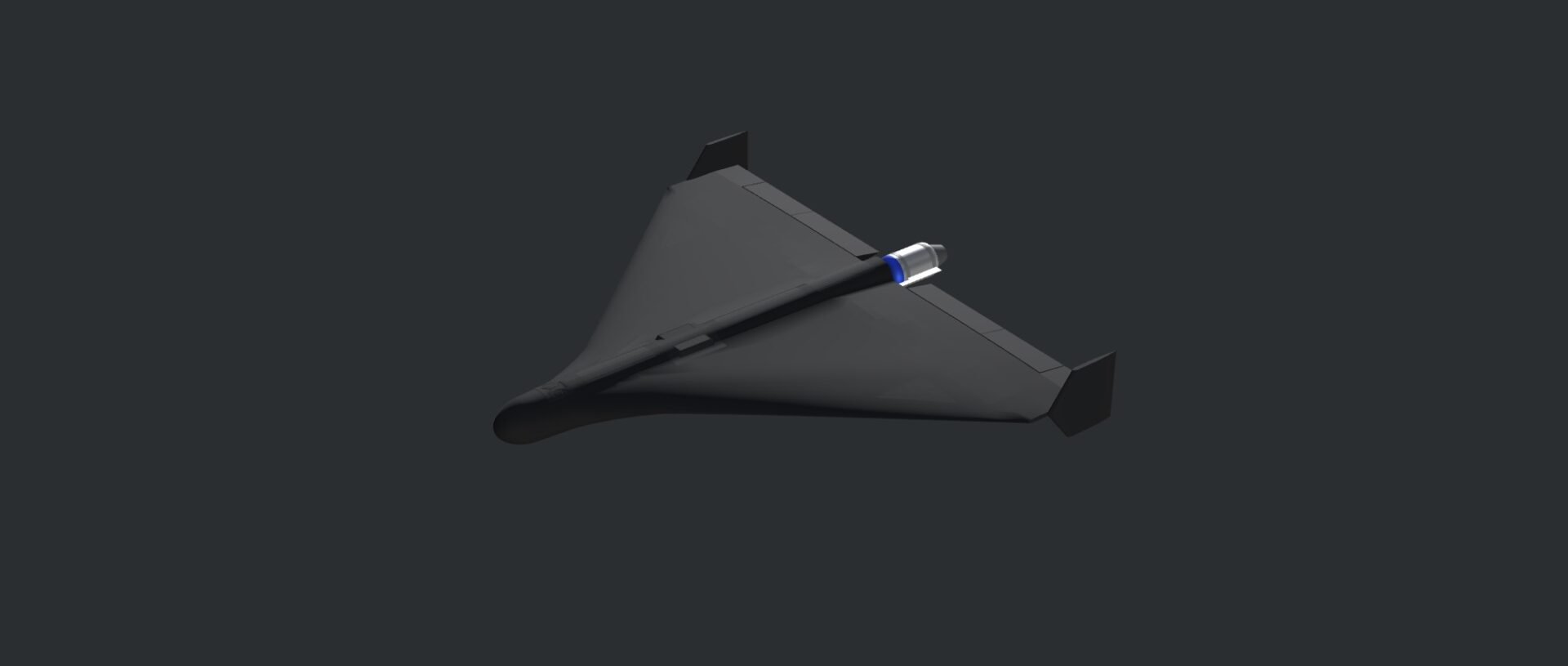
Boyraz also addressed the growing threat from swarm drone attacks. He said swarms can become easier to detect because sound and harmonics increase.
This gives the acoustic system a useful advantage. More drones can create stronger acoustic patterns than a single small target.
The system has a very short acquisition time of 250 milliseconds. Boyraz said this allows simultaneous tracking of several threats from different directions.
That point is important for swarm defence. Because of this, the system can support early warning before threats reach a protected point.
SAĞLAMTEK designed the system with a modular structure. Boyraz said it can support both fixed sites and mobile field units.
Fixed users may include karakols and kalekols. Meanwhile, infantry teams can also use the system during field missions.
The system weighs under 1 kilogram. It also consumes about 30 watts of power.
Boyraz said it can even operate with a standard powerbank. Therefore, troops moving or resting in the field can receive earlier warning against drone attacks.
For wider context, read our UAV Systems coverage on DMX Defence.
SAĞLAMTEK officials said the system has been tested successfully in the field. They also said it has proven itself with its current abilities.
This point gives the system more practical weight. However, future performance will still depend on terrain, weather, noise and drone type.
Acoustic detection works best as part of a layered network. It can warn, cue and support other sensors rather than act alone.
That makes the system valuable for real-world force protection. In addition, it can help units react before visual contact becomes possible.
Active sensors remain critical for modern air defence. However, passive systems add protection because they do not expose their position through emissions.
This can matter against drones searching for military positions. It can also help teams operate with lower energy demand in remote areas.
A passive acoustic system gives commanders another quiet sensor. It listens for threats instead of announcing itself through active emissions.
This feature can help infantry teams and small posts. Moreover, low power use makes the system easier to sustain during long missions.
Acoustic drone detection gives Turkish forces a practical answer to small drone threats. It does not depend on active emissions or heavy power supply.
The system’s value comes from early warning. Troops can gain time before a drone reaches the protected area.
Its 570-metre tracking range against 50-centimetre drones supports close protection. Meanwhile, 3-kilometre detection against 3-metre fixed-wing systems gives wider coverage.
More importantly, the system can support cameras and hard-kill tools. This turns sound detection into a cueing layer for counter-drone operations.
Its under-1kg weight and powerbank support also matter. Those features move drone warning closer to infantry and mobile teams.
If SAĞLAMTEK scales the system successfully, it could strengthen layered base and field protection. It may also help Türkiye answer the growing swarm drone threat.