 11
11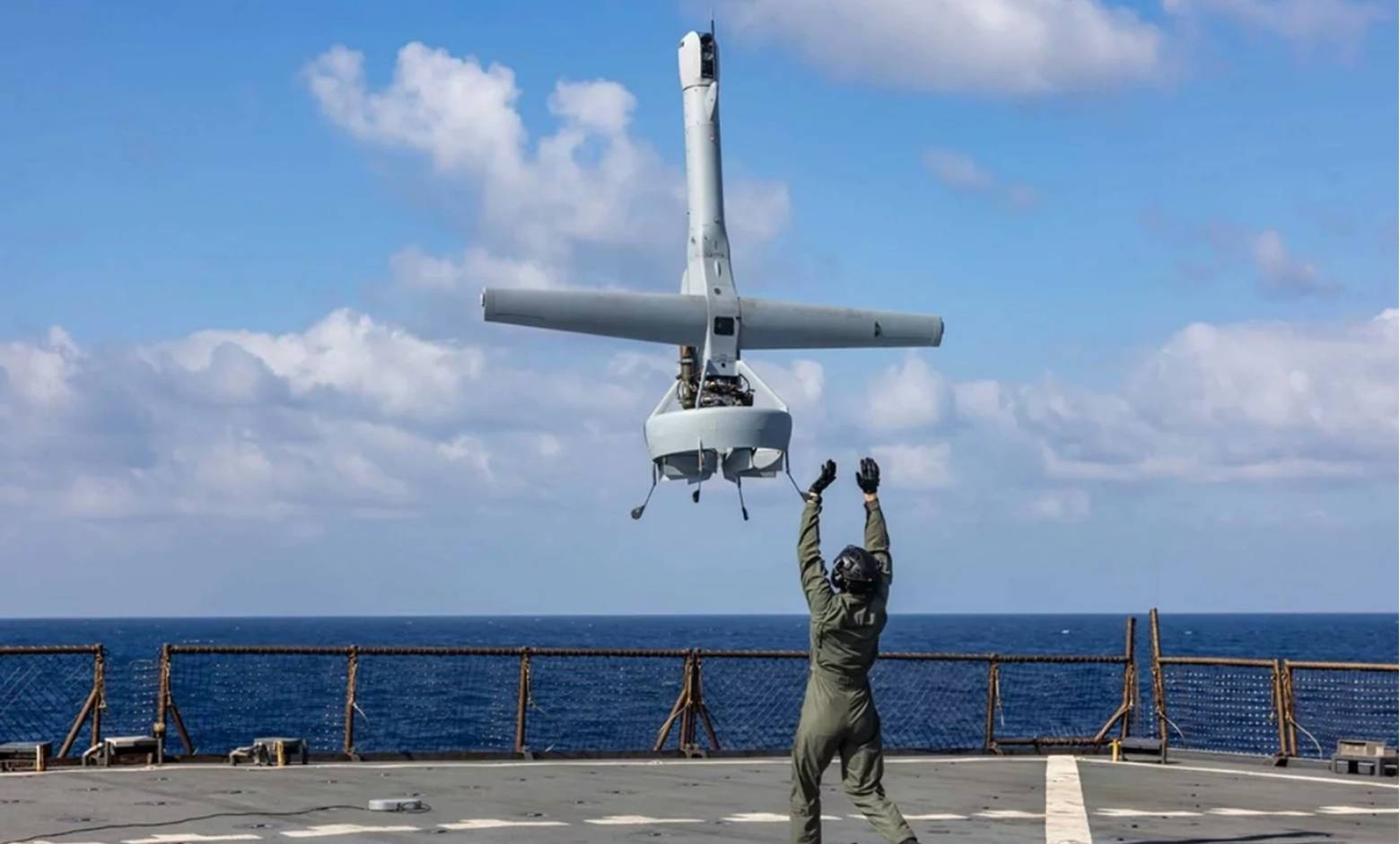
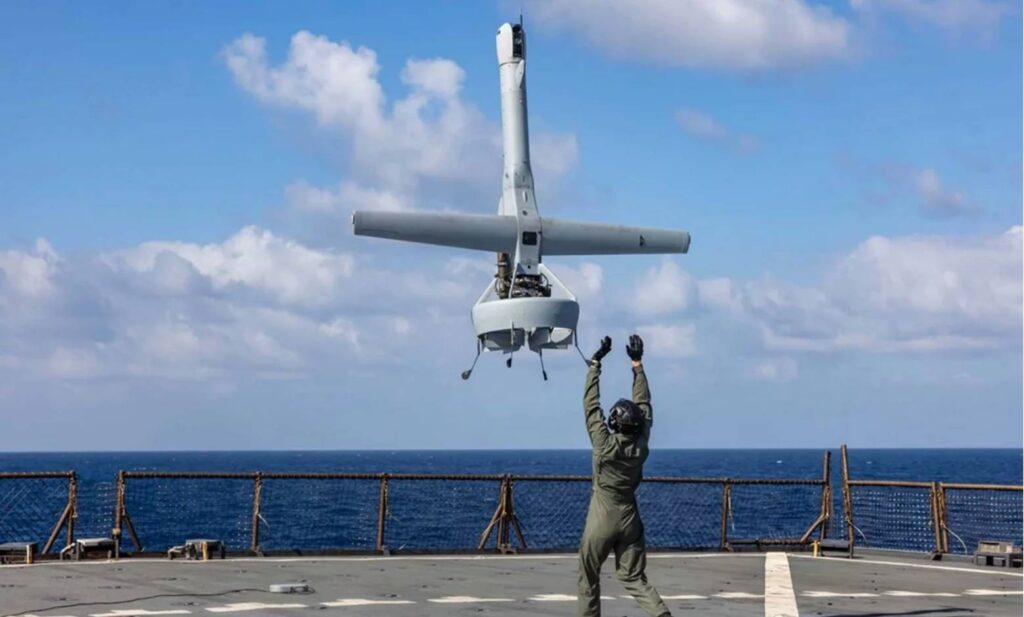
Shield AI V-BAT is facing new scrutiny after Reuters reported crash, safety and disclosure allegations around the VTOL drone.
Shield AI has become one of the fastest-growing U.S. defence technology firms. However, its V-BAT programme now faces serious public pressure.
Reuters reported that V-BAT platforms were involved in more than 50 crashes over the past 18 months. The report also alleged that some safety issues were not fully shared with customers.
Shield AI reached a valuation of about $12.7 billion in a March funding round. The company is seen as a major Pentagon partner in unmanned systems and autonomous warfare technology.
That makes the V-BAT issue important beyond one drone type. It touches trust, procurement confidence and the pace of military technology adoption.
Reuters said the latest incident occurred on May 12 during a training activity off the Texas coast. A Romanian Navy official’s hand was caught in a V-BAT propeller during Shield AI training.
The accident severed two fingers and fractured a third. Shield AI said the incident came from a violation of existing safety procedures, not a product defect.
According to Reuters’ investigation into Shield AI and V-BAT safety claims, Romania’s defence ministry said the incident was still being investigated.
The injury adds a human safety dimension to the debate. Drone reliability is not only about aircraft loss or mission failure.
Training risk also matters for customers. Foreign military users need confidence that new systems can be operated safely under real conditions.
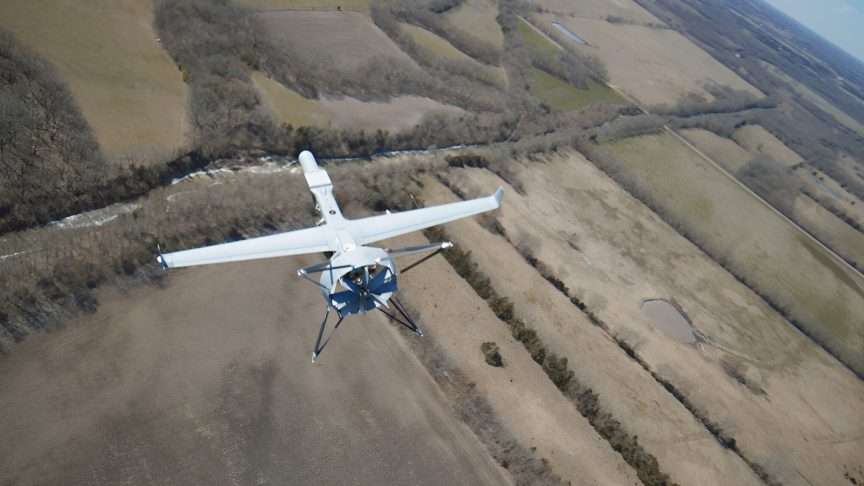
Reuters reported that Shield AI’s internal fleet includes about 200 upgraded V-BAT aircraft. More than 50 were reportedly lost in testing or training over 18 months.
The report also cited a hard landing at a NATO event in Portugal in September 2025. Another crash in February 2026 reportedly caused a fire in Texas that affected more than 40 acres.
Shield AI pushed back against the claims. The company said customer-operated systems had seen only 10 operational mishaps since early 2025.
This distinction is central to the dispute. Reuters focused on the internal fleet and former employee accounts, while Shield AI points to customer operations.
Reuters also reviewed a whistleblower complaint from former product manager Jacob Miller. The filing alleged that some technical issues were presented to customers in incomplete or misleading ways.
The complaint claimed Shield AI described a V-BAT demonstration as autonomous when a remote pilot was actually controlling the aircraft. It also alleged that some mishap report data was altered to improve the system’s performance narrative.
Shield AI denied the allegations and said it would defend itself in the legal process. The company also defended the V-BAT’s operational record.
For defence customers, the issue is sensitive. Autonomy claims must be precise because procurement decisions depend on trust in test data and system behaviour.
The controversy comes as Shield AI develops X-BAT, a larger unmanned combat aircraft concept. The aircraft is being positioned as a “loyal wingman” that could operate with fighter jets.
Reuters reported that X-BAT is expected to cost about $30 million. The company requested $500 million from the Pentagon to develop four X-BAT prototypes by 2029.
The X-BAT question matters because its flight control architecture reportedly relies heavily on technology developed through the V-BAT programme.
That does not mean X-BAT will inherit every V-BAT issue. However, it makes safety, flight control and test transparency more important for future Pentagon confidence.
V-BAT has gained international attention after reported operational performance in Ukraine. Greece, Japan, the Netherlands, Romania and India are among countries linked to the platform.
This export momentum shows the market demand for VTOL unmanned systems. Forces want drones that can operate from ships, small sites and austere locations.
The source text notes that a Greek V-BAT crashed off Rhodes on 22 April 2026. Early information indicated the aircraft was lost and could not be repaired.
However, the incident did not end Greek interest. Greece decided in February 2026 to acquire 10 additional V-BAT aircraft and signed another June agreement to expand Aegean surveillance and reconnaissance capacity.
V-BAT’s appeal comes from its vertical take-off and landing design. That makes it useful for navies, small units and forces with limited runway access.
This is why the safety debate is so important. The same features that make the system attractive also require strong training, procedures and quality control.
The case reflects a larger defence industry problem. New drone companies are moving fast to meet urgent military demand.
However, speed can create pressure on testing, documentation and customer communication. That risk grows when systems move from demonstrations into military operations.
The Shield AI V-BAT crisis matters because it tests confidence in the new defence technology model. Venture-backed firms promise speed, autonomy and lower-cost innovation for militaries.
That model can help armed forces adapt faster. Yet it also needs disciplined safety culture and clear reporting when systems fail.
For customers, the key issue is not whether drones crash. All aircraft programmes face risk, especially during testing and training.
The deeper question is whether failures are reported clearly and fixed systematically. That is what military buyers must know before scaling fleets.
For Shield AI, V-BAT remains a valuable export product with real market interest. But Reuters’ allegations could force closer scrutiny of mishap reporting, autonomy claims and future X-BAT development.
For wider unmanned aircraft coverage, read our Air Systems coverage on DMX Defence.