 11
11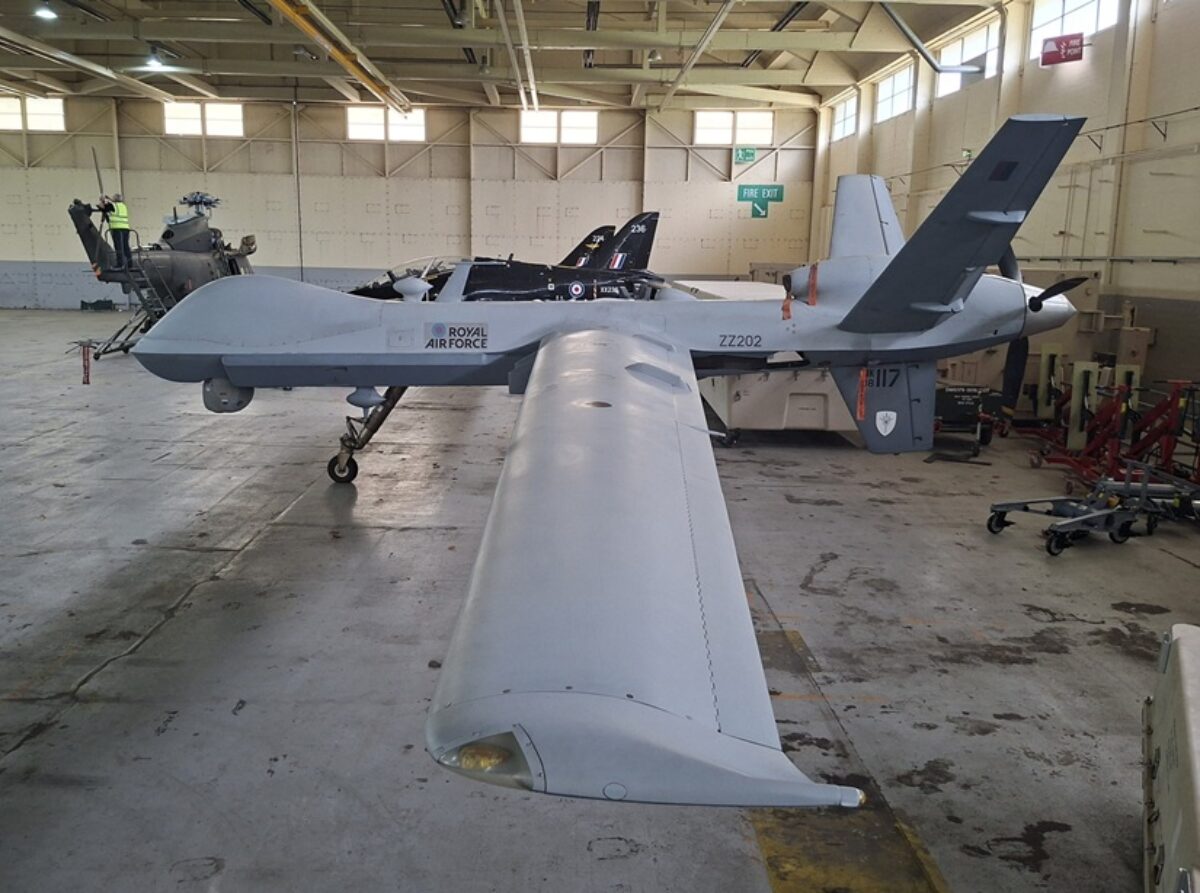
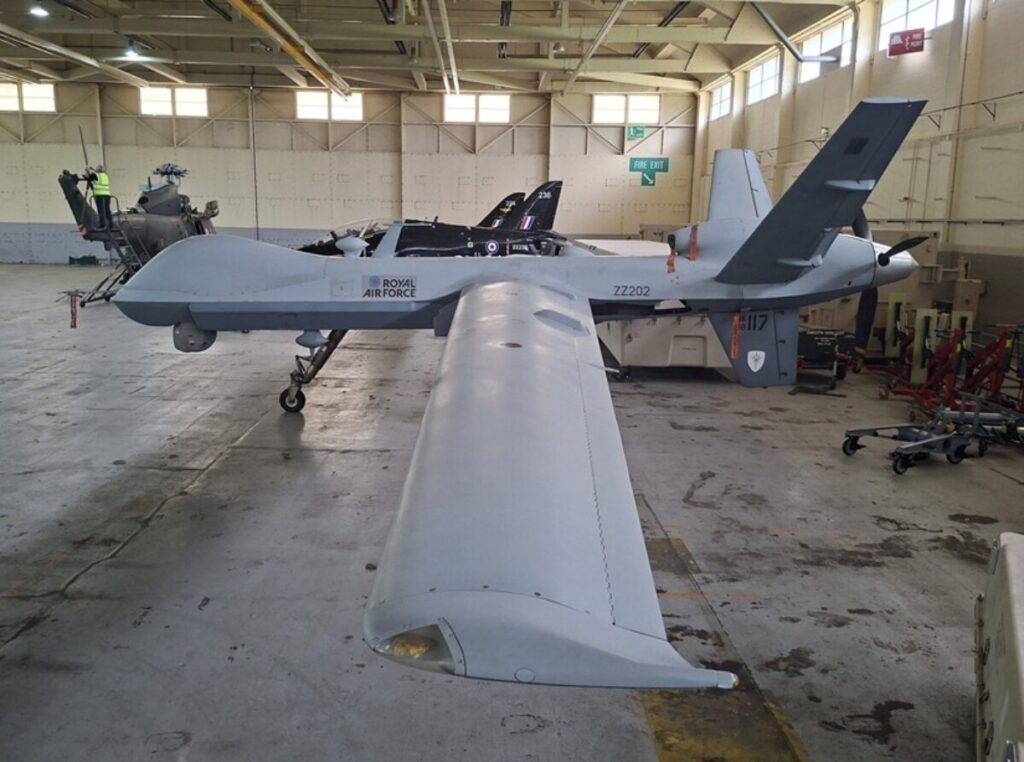
MQ-9 Reaper has begun its move from RAF combat service to a museum collection after 18 years of operations.
The Royal Air Force’s General Atomics MQ-9 Reaper is heading towards permanent museum display. The aircraft left operational service in 2025 after 18 years in RAF use.
The platform entered RAF service in 2007. It became the United Kingdom’s first combat-capable remotely piloted air system.
The Reaper marked a major shift in British airpower. It gave the RAF a persistent armed unmanned aircraft for overseas missions.
This matters because the aircraft changed how the UK gathered intelligence and delivered precision strike. It also helped normalise remotely piloted combat operations.
The RAF used the MQ-9 Reaper during overseas military operations. The aircraft served in Afghanistan, Iraq and Syria.
Its long-endurance profile allowed crews to watch targets for extended periods. It also supported intelligence collection and precision air-to-ground missions.
RAF Reaper aircraft recorded more than 173,000 flying hours. That is roughly equal to almost 20 years in the air.
The Reaper made its final flight on 3 October 2025. Its retirement closes an important chapter in RAF unmanned combat aviation.
The Reaper gave commanders persistent eyes over the battlefield. This was its main operational value.
Unlike fast jets, the aircraft could remain above an area for long periods. That made it useful for tracking targets, supporting troops and reducing decision pressure.
The platform also changed air-ground operations. It combined surveillance and strike in one remotely piloted aircraft.
For the RAF, this created a new combat model. Aircrew could monitor a target, assess risk and act with precision from a remote control station.
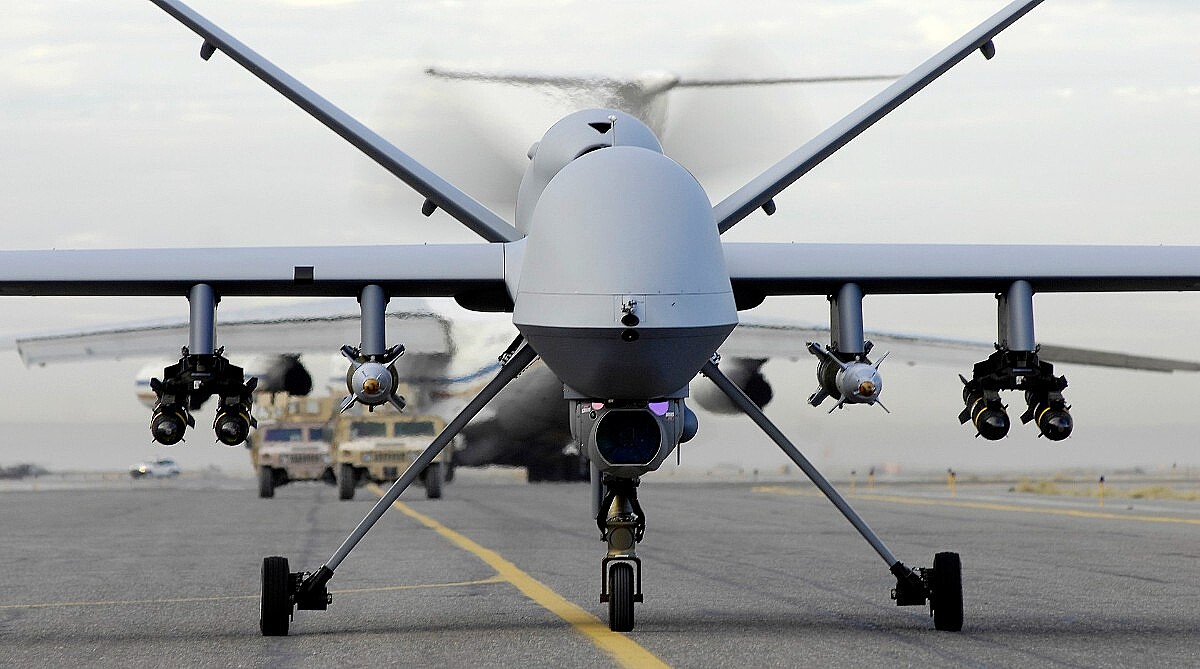
The aircraft has been moved by road to RAF Cosford. The Joint Aircraft Recovery and Transportation Squadron, known as JARTS, handled the transport process.
Specialist technicians and Babcock teams are supporting reassembly. This stage prepares the aircraft for public display.
According to RAF Museum Midlands visitor information, the museum is based at RAF Museum Midlands in Cosford and is part of the wider RAF Museum site.
The MQ-9 Reaper will appear publicly at the RAF Cosford Air Show. The static display is planned for Sunday, 14 June.
This early display gives visitors a rare look at the aircraft before permanent exhibition. It also links the Reaper story with wider RAF heritage.
After the air show, the aircraft will go into storage. It will later join a new permanent exhibition at RAF Museum Midlands.
The exhibition is titled “RAF: 1980 to the Present”. It is supported by the National Lottery Heritage Fund.
RAF Museum Curator of Aircraft and Exhibits Tom Hopkins said the recently retired Reaper will become the first aircraft of its kind in a UK museum collection.
He also said the permanent display is still some time away. However, the Cosford Air Show will offer visitors an early preview.
The Reaper will appear alongside other important RAF platforms. These include a British Aerospace Hawk T1A training jet and a Westland Puma HC1 helicopter.
It will also be shown with Chinook “Bravo November”. That aircraft is known as a veteran of the Falkland War.
This grouping gives the Reaper stronger historical context. It places unmanned combat aviation beside training, helicopter lift and battlefield air support history.
That is important for visitors. It shows how RAF operations moved from crewed Cold War-era platforms towards remote and networked airpower.
The MQ-9 Reaper museum transfer matters for more than heritage. It marks the end of the RAF’s first armed drone era.
The aircraft helped shape British experience with persistent surveillance and precision strike. Those lessons now feed into later systems and future unmanned aircraft thinking.
Its retirement also shows how quickly unmanned aviation evolves. A platform that once represented a major operational leap is now becoming a museum object.
For the RAF, the Reaper’s legacy sits in doctrine, training and public memory. It showed how unmanned aircraft could support real combat operations over many years.
For wider unmanned aircraft coverage, read our Air Systems coverage on DMX Defence.